

 contact@canrd.com
 +86 18928276992


Details
Materials need to be vacuum sealed for storage
The material is easy to absorb water, and humidity needs to be controlled throughout the production process
The electrolyte used during testing is sodium ion electrolyte (KLD-NC06)
Baking conditions for electrode: 105 ℃ baking for 4 hours
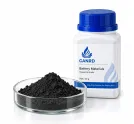
Sodium-ion cathode material, layered oxide, has the advantages of high gram capacity and high first effect.
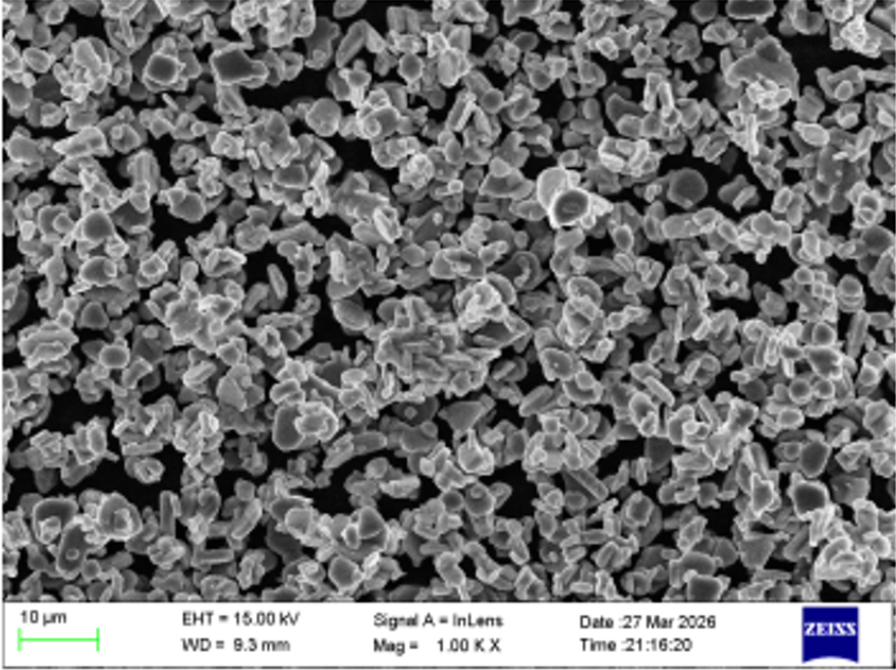
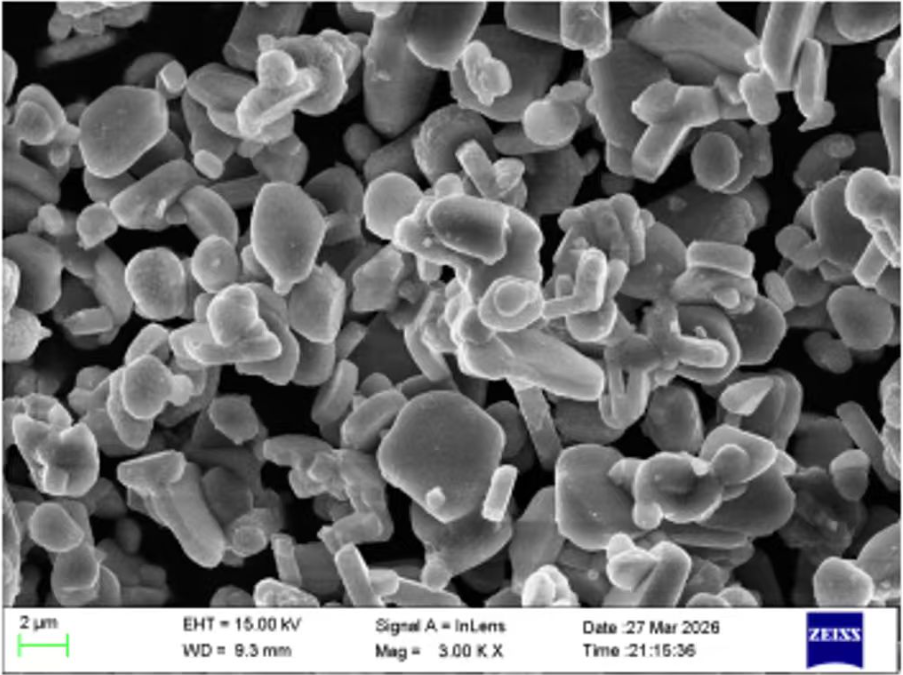
SEM:
Physical and chemical properties

| 12 | Chemical properties | Main ingredients | Na | % | 18.7+1.0 | 18.7 | |
| 13 | Ni | % | 12.4+1.00 | 12.4 | |||
| 14 | Mn | % | 18.9+1.00 | 18.9 | |||
| 15 | Fe | % | 14.5+1.00 | 14.5 | |||
| 16 | Zn | % | 4.4+0.6 | 4.4 |
| 17 | Chemical properties | Impurity | Cr | % | ≤0.0080 | 0.004 | |
| 18 | K | % | ≤0.0200 | 0.0145 | |||
| 19 | Mg | % | ≤0.0300 | 0.0245 | |||
| 20 | Cu | % | ≤0.0100 | 0.005 | |||
| 21 | pH | / | ≤12.9 | 12.5 | |||
| 22 | Na+-醇系 | % | ≤12.9 | 0.0876 |
Half battery test
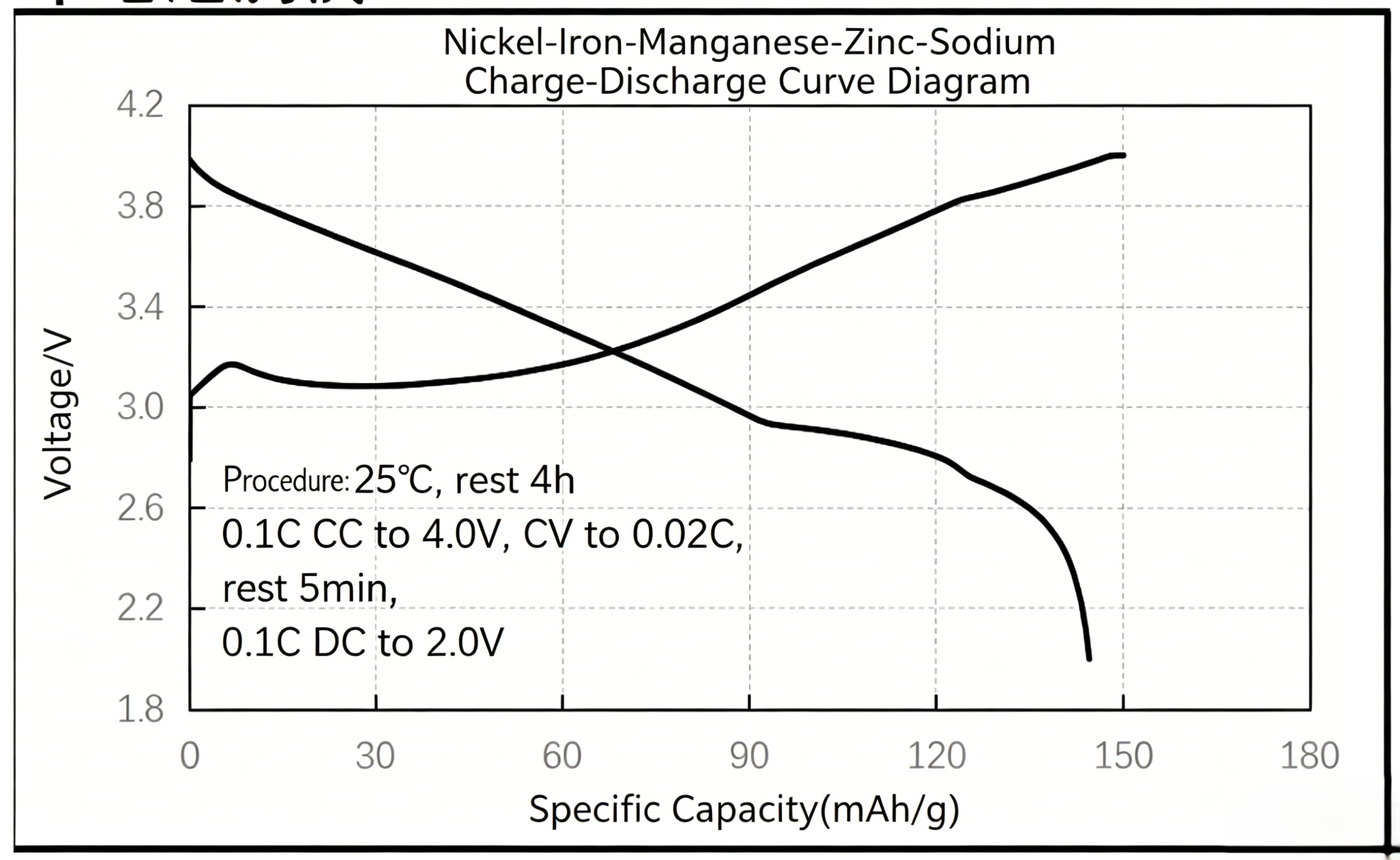
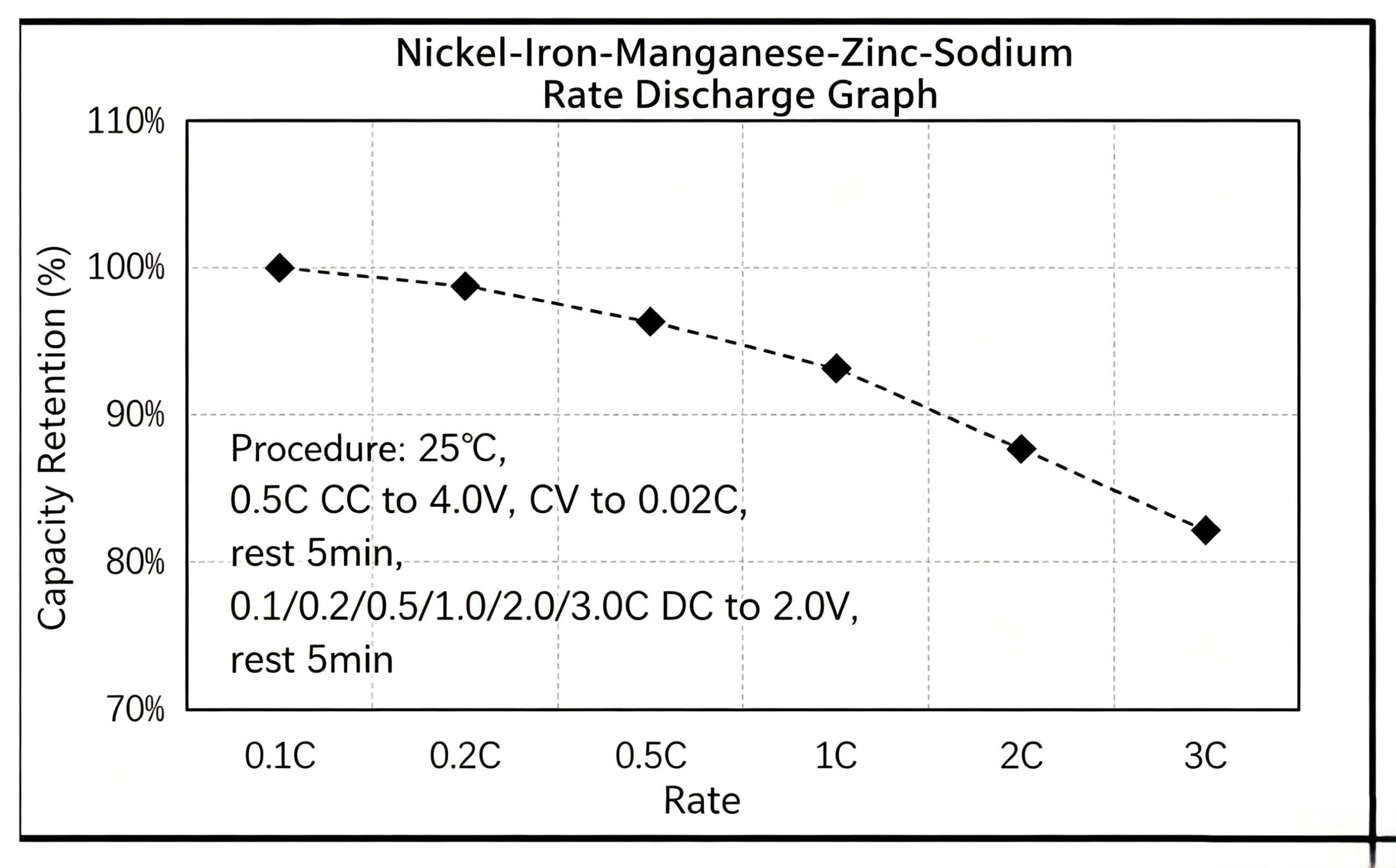
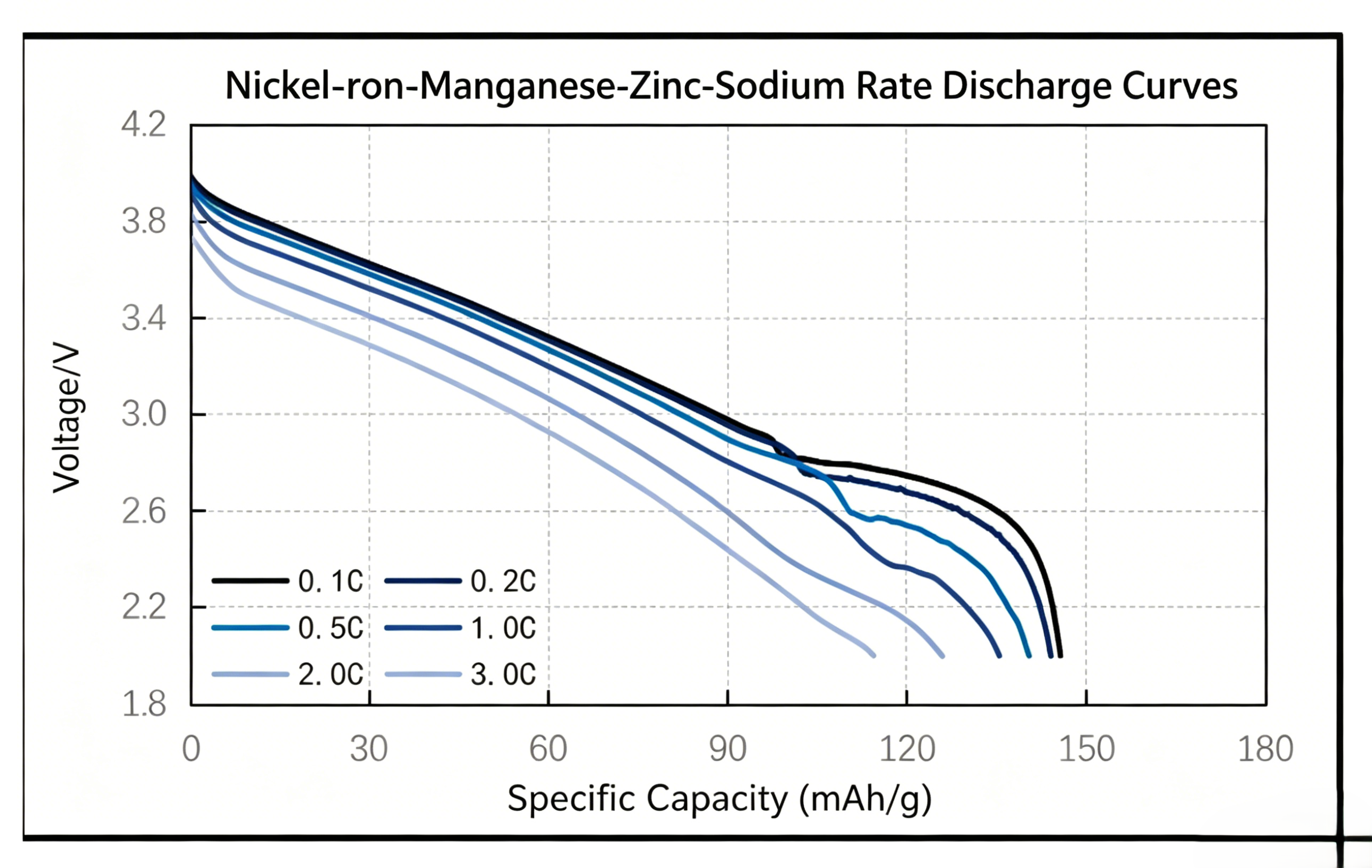
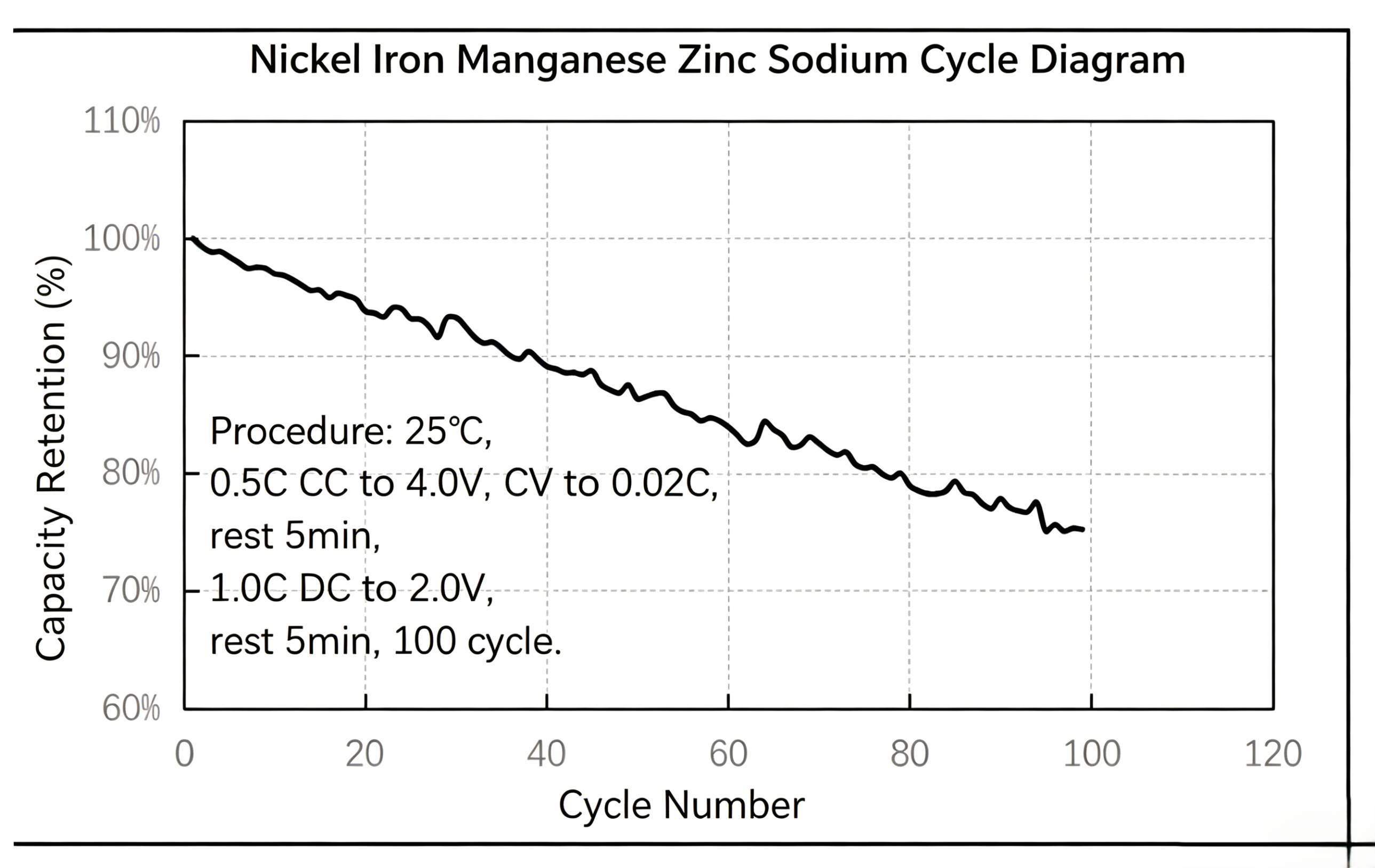
CC rate charging; CV constant voltage charging; DC rate discharge
Need R&D Support?
Browse key product categories and connect battery materials with Canrd's R&D services for testing, fabrication, and project support.
Experimental Materials
CategoryCathode, anode, electrolyte, separator, and other materials for battery research.
Shop cathode, anode & electrolyte materials →Lab Equipment
CategoryBattery lab equipment for pilot lines, fixtures, and testing workflows.
Browse battery lab equipment →Electrodes & Cells
CategoryCustom electrodes, dry cells, and battery cell components for R&D validation.
View custom battery electrodes & cells →Sodium Electrolyte
CategorySodium-ion electrolyte options for sodium battery research and validation.
Shop sodium battery electrolytes →R&D Services
ServiceFull-chain battery R&D services from material evaluation to cell fabrication and failure analysis.
Explore Canrd R&D services →Material Evaluation
ServiceCharacterization, electrochemical testing, and compatibility evaluation for battery materials.
Evaluate your battery materials →Electrode Fabrication
ServiceCustom electrode sheets and rolls based on your target chemistry and process needs.
Request electrode fabrication →Cell Fabrication
ServiceDry cells, assembled cells, and custom-format cell builds for R&D validation.
Build custom research cells →Contact
PageAsk Canrd to match products, materials, and services for your project.
Get product and R&D support →
