

 contact@canrd.com
 +86 18928276992

Details
Physical Properties:
| Test Item | Unit | Specification Range | Test Result | |
| Appearance | / | Black powder | Visual inspection | |
| Particle Size | Dn10 | μm | ≥3.0 | 3.6 |
| Dv01 | μm | ≥3.0 | 3.5 | |
| Dv10 | μm | 5.0 ± 0.5 | 4.9 | |
| Dv50 | μm | 8.0 ± 0.5 | 8.1 | |
| Dv90 | μm | ≤18.0 | 13 | |
| BET Specific Surface Area | m²/g | ≥1900 | 1923 | |
| Pore Volume | cm³/g | 0.90 ± 0.03 | 0.87 | |
| Micropore Fraction | % | >85 | 91.3 | |
| Single-Point Average Pore Diameter | nm | <2.0 | 1.72 | |
| Tap Density | g/cm³ | ≥0.30 | 0.43 | |
| Ash Content | % | ≤0.3 | 0.02 | |
| Moisture Content | % | ≤1.0 | 0.413 | |
| pH | / | 7.5 ± 1.5 | 7.2 | |
| Impurity Content | Fe | ppm | ≤100 | 15.58 |
| Co | ppm | ≤20 | 0.35 | |
| Cr | ppm | ≤10 | 0.71 | |
| Ni | ppm | ≤50 | 1.8 | |
| Cu | ppm | ≤10 | 0.35 | |
| Na | ppm | ≤150 | 8.66 | |
| Ca | ppm | ≤100 | 21.71 | |
| Zn | ppm | ≤25 | 3.35 | |
| Magnetic Substances | ppm | ≤1.0 | 0.23 | |
SEM:
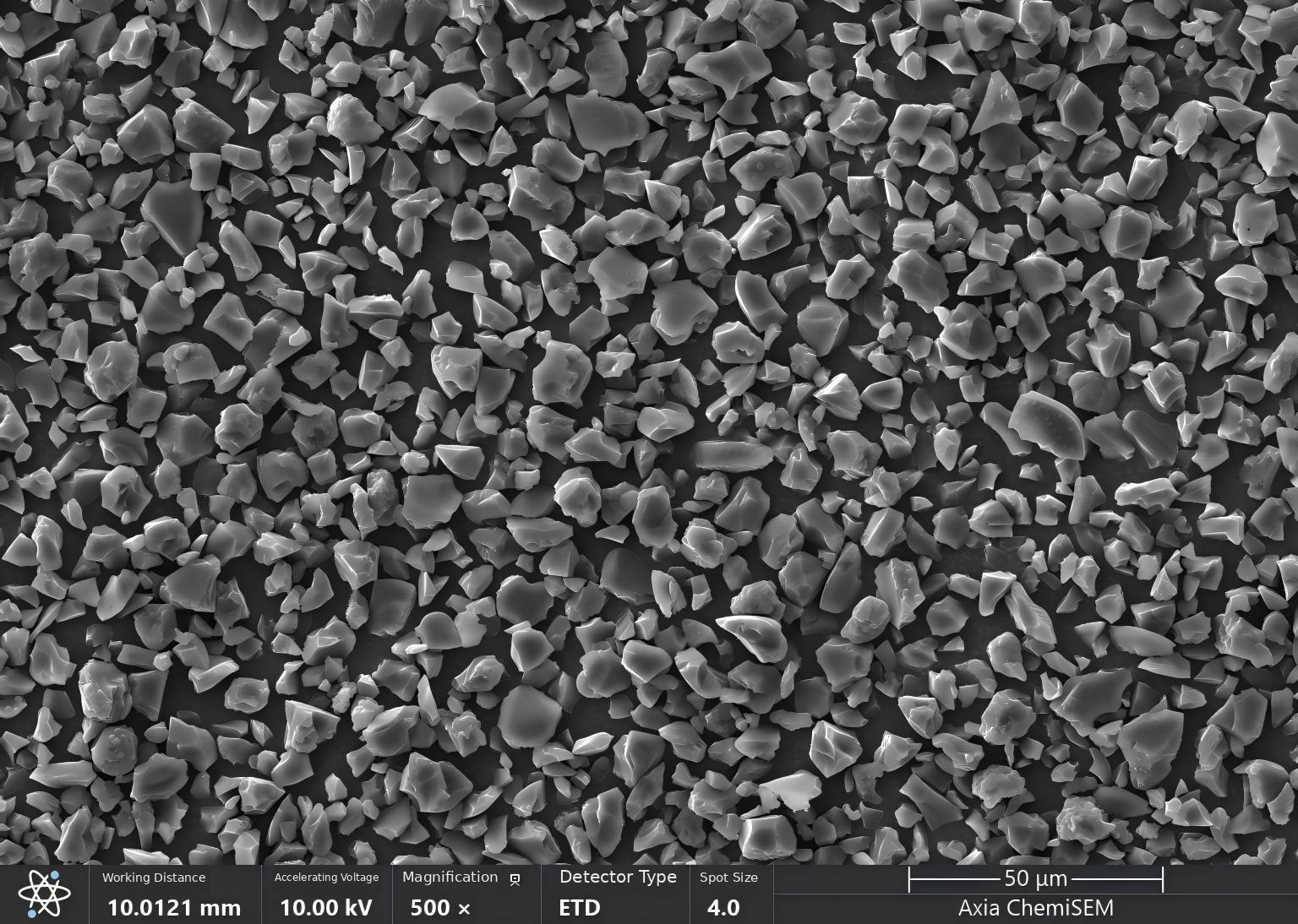
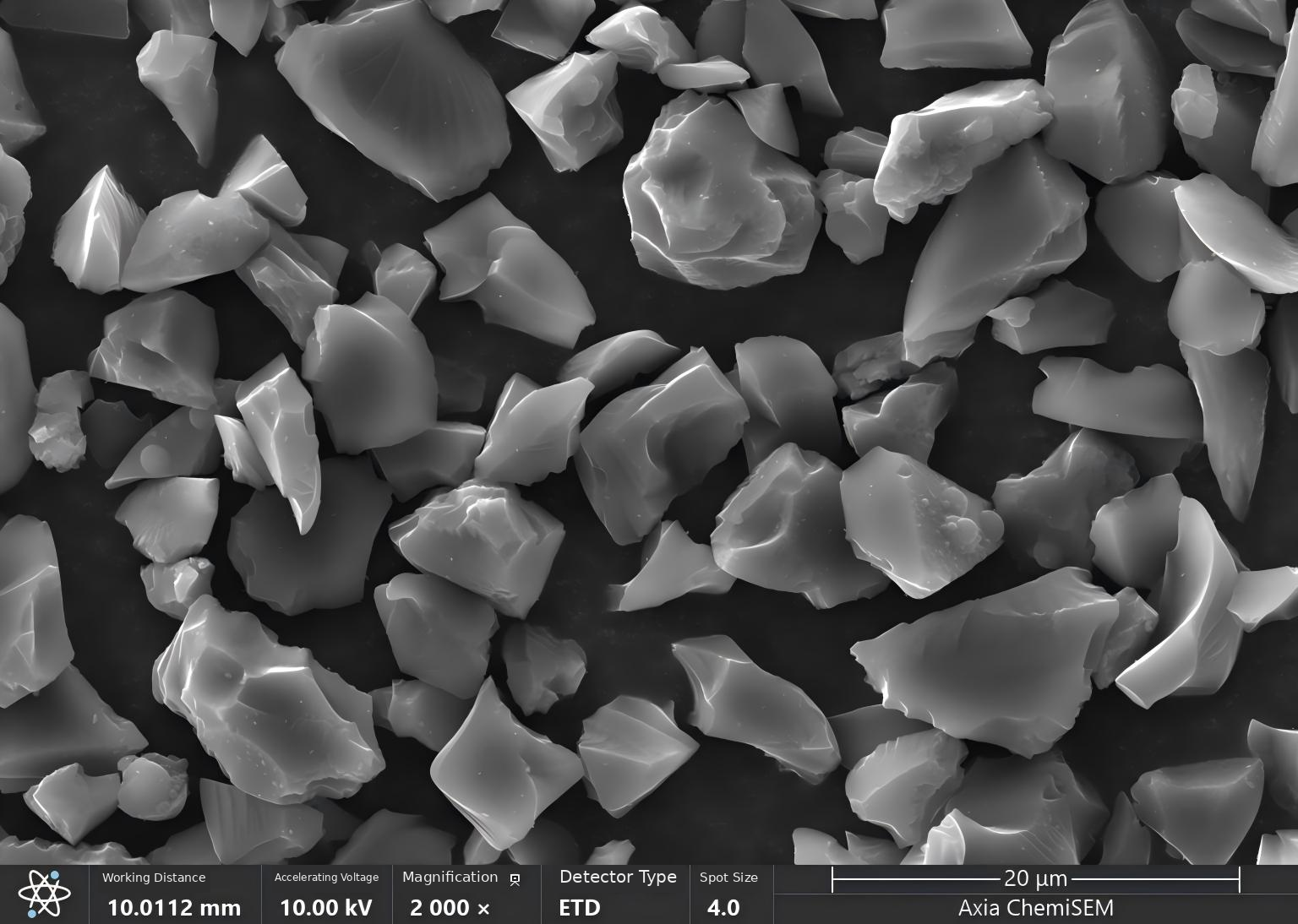
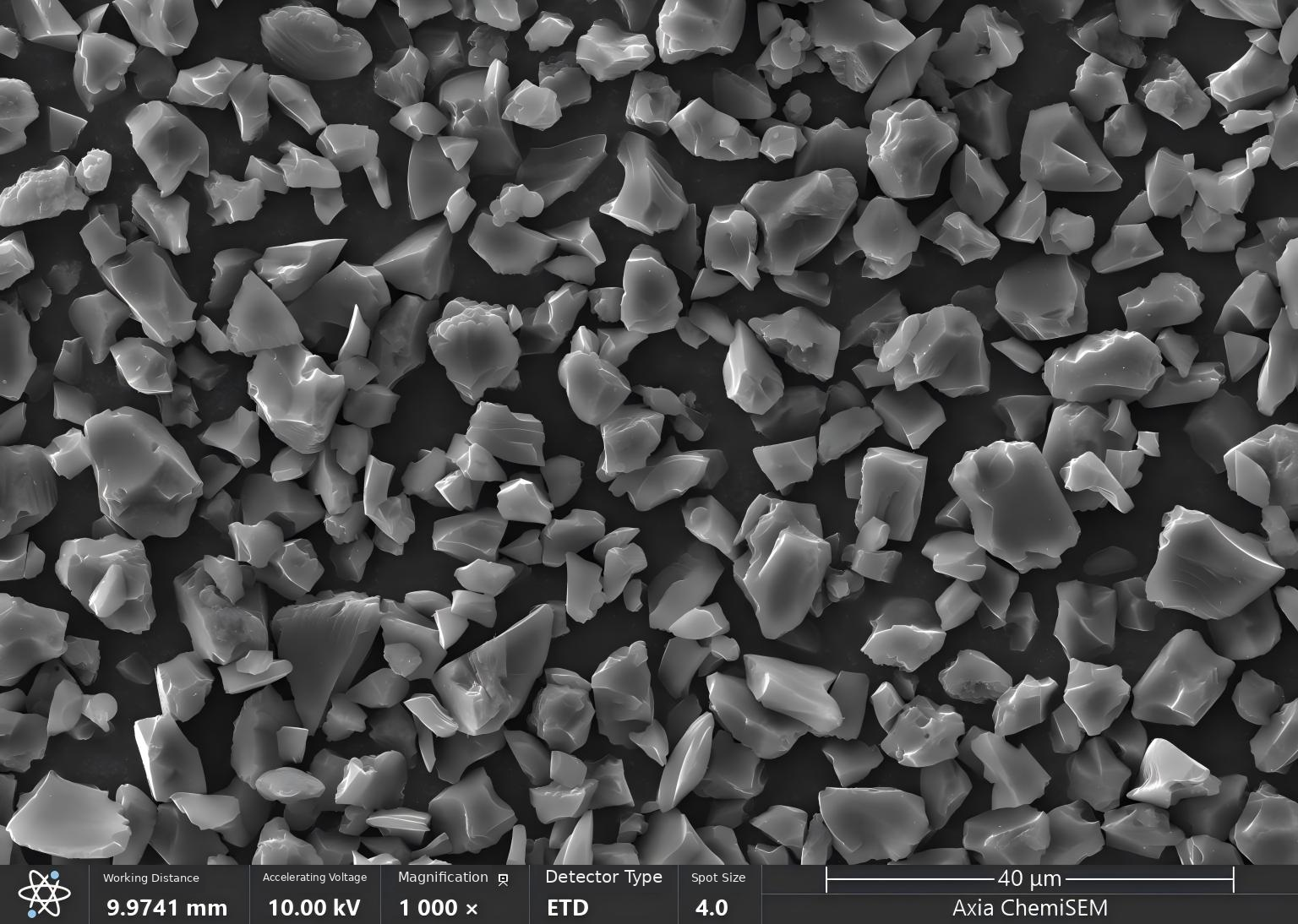
Packaging, Transportation, and Storage:
Store the product in a clean, cool, and dry environment at ambient temperature (temperature ≤45 °C; relative humidity ≤90% RH).
Product Instructions and Recommendations:
When kept in sealed packaging and stored in a cool, dry place, the shelf life is six months.
Frequently Asked Questions
Search or browse common questions to find answers quickly

Need R&D Support?
Browse key product categories and connect battery materials with Canrd's R&D services for testing, fabrication, and project support.
Experimental Materials
CategoryCathode, anode, electrolyte, separator, and other materials for battery research.
Shop cathode, anode & electrolyte materials →Lab Equipment
CategoryBattery lab equipment for pilot lines, fixtures, and testing workflows.
Browse battery lab equipment →Electrodes & Cells
CategoryCustom electrodes, dry cells, and battery cell components for R&D validation.
View custom battery electrodes & cells →Sodium Electrolyte
CategorySodium-ion electrolyte options for sodium battery research and validation.
Shop sodium battery electrolytes →R&D Services
ServiceFull-chain battery R&D services from material evaluation to cell fabrication and failure analysis.
Explore Canrd R&D services →Material Evaluation
ServiceCharacterization, electrochemical testing, and compatibility evaluation for battery materials.
Evaluate your battery materials →Electrode Fabrication
ServiceCustom electrode sheets and rolls based on your target chemistry and process needs.
Request electrode fabrication →Cell Fabrication
ServiceDry cells, assembled cells, and custom-format cell builds for R&D validation.
Build custom research cells →Contact
PageAsk Canrd to match products, materials, and services for your project.
Get product and R&D support →
