

 contact@canrd.com
 +86 18928276992
Details
Ordered mesoporous carbon is a new type of non-silicon based mesoporous material with a huge surface area (up to 2500m²/g) and pore volume (up to 2.25 cm³/g). It is highly expected to have important applications in catalyst carriers, hydrogen storage materials, electrode materials, etc., and has attracted high attention from people.
In addition, the charge storage capacity of double-layer capacitors made from mesoporous materials is higher than that of assembled metal oxide particles and even higher than that of commercially available metal oxide double-layer capacitors.
Compared with pure mesoporous silicon materials, mesoporous carbon materials exhibit special properties such as high specific surface area and high porosity; the pore size can be adjusted within a certain range; diverse mesoporous shapes; adjustable pore wall composition, structure, and properties;
Through optimization of synthesis conditions, high thermal stability and hydrothermal stability can be achieved; it has a simple synthesis process, easy operation, and no physiological toxicity. Its attractiveness lies in its potential application value in fuel cells, molecular sieves, adsorption, catalytic reactions, electrochemistry, and other fields.
In recent years, mesoporous materials science has become one of the hot research areas crossing chemistry, physics, materials, biology, and other disciplines internationally, and has become an important milestone in the development of materials science.
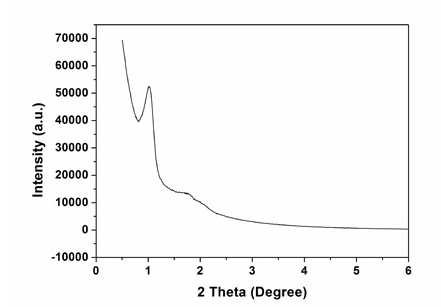
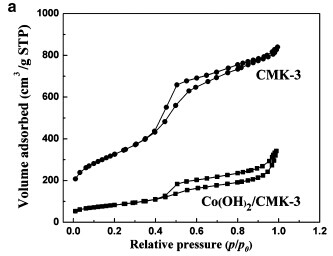
Furthermore, this material has an ordered mesoporous structure with a pore size of 3.9 nm and a surface area within the range of 500-1500 m²/g. The pore volume is between 0.7-1.5 cc/g.
Ordered mesoporous carbon materials have high specific surface area and pore volume, as well as good conductivity, biocompatibility, and corrosion resistance. They have enormous application prospects in electrochemical electrode materials, catalyst carriers, chromatographic column adsorbents, protein separation, and other fields.
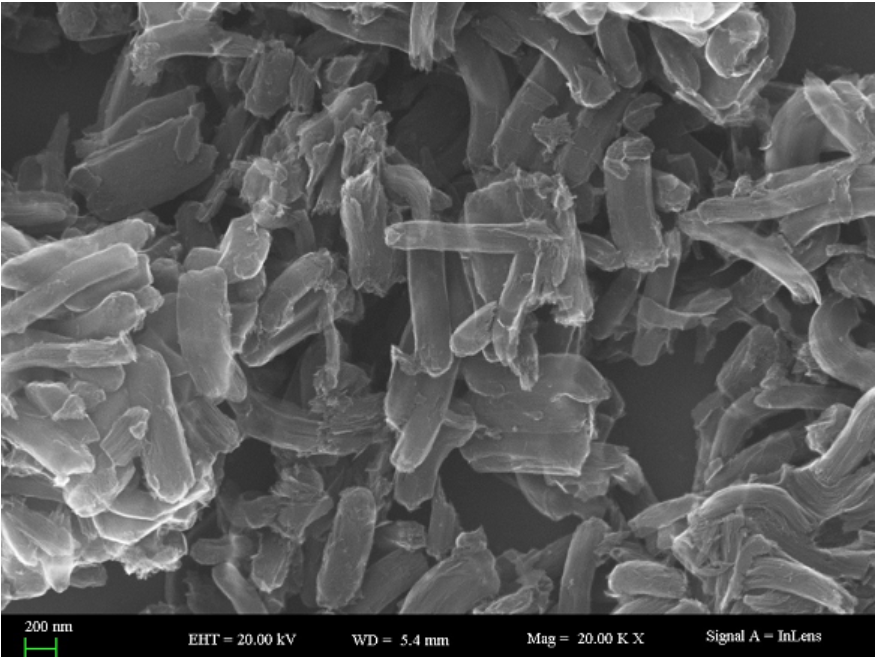
Ordered Mesoporous Carbon CMK-3 Data
| Sample | Pore Diameter(nm) | Surface Area(m²/g) | Total Pore Volume(cm²/g) | Micro Pore Volume(cm²/g) | Micro Pore Ratio(%) |
| Ordered Mesoporous Carbon CMK-3C1 | 3.9 | 1201 | 1.36 | 0.18 | 3.7 |

Need R&D Support?
Browse key product categories and connect battery materials with Canrd's R&D services for testing, fabrication, and project support.
Experimental Materials
CategoryCathode, anode, electrolyte, separator, and other materials for battery research.
Shop cathode, anode & electrolyte materials →Lab Equipment
CategoryBattery lab equipment for pilot lines, fixtures, and testing workflows.
Browse battery lab equipment →Electrodes & Cells
CategoryCustom electrodes, dry cells, and battery cell components for R&D validation.
View custom battery electrodes & cells →Sodium Electrolyte
CategorySodium-ion electrolyte options for sodium battery research and validation.
Shop sodium battery electrolytes →R&D Services
ServiceFull-chain battery R&D services from material evaluation to cell fabrication and failure analysis.
Explore Canrd R&D services →Material Evaluation
ServiceCharacterization, electrochemical testing, and compatibility evaluation for battery materials.
Evaluate your battery materials →Electrode Fabrication
ServiceCustom electrode sheets and rolls based on your target chemistry and process needs.
Request electrode fabrication →Cell Fabrication
ServiceDry cells, assembled cells, and custom-format cell builds for R&D validation.
Build custom research cells →Contact
PageAsk Canrd to match products, materials, and services for your project.
Get product and R&D support →