

 contact@canrd.com
 +86 18928276992
Details
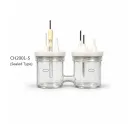
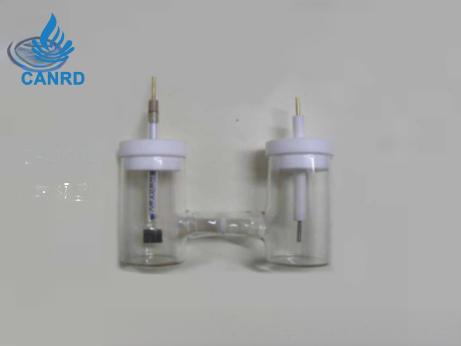
Note: The electrolytic cell cover has three 6mm electrode holes by default. The size and number of holes on the cover can be customized according to the electrode size purchased by the customer. Please inform us in advance. The electrode in the photo is for reference only.
Interposed with glass sand core, with cap materials of rubber stopper or Teflon cap, and the volume on the left and right sides can be customized.
CH2001 is the standard type, and CH2001-S is the sealed type.
Electrodes are not included, provided only for reference.
Volume: The displayed volume in the specifications refers to the single cell volume.
Frequently Asked Questions
Search or browse common questions to find answers quickly

Need R&D Support?
Browse key product categories and connect battery materials with Canrd's R&D services for testing, fabrication, and project support.
Experimental Materials
CategoryCathode, anode, electrolyte, separator, and other materials for battery research.
Shop cathode, anode & electrolyte materials →Lab Equipment
CategoryBattery lab equipment for pilot lines, fixtures, and testing workflows.
Browse battery lab equipment →Electrodes & Cells
CategoryCustom electrodes, dry cells, and battery cell components for R&D validation.
View custom battery electrodes & cells →Sodium Electrolyte
CategorySodium-ion electrolyte options for sodium battery research and validation.
Shop sodium battery electrolytes →R&D Services
ServiceFull-chain battery R&D services from material evaluation to cell fabrication and failure analysis.
Explore Canrd R&D services →Material Evaluation
ServiceCharacterization, electrochemical testing, and compatibility evaluation for battery materials.
Evaluate your battery materials →Electrode Fabrication
ServiceCustom electrode sheets and rolls based on your target chemistry and process needs.
Request electrode fabrication →Cell Fabrication
ServiceDry cells, assembled cells, and custom-format cell builds for R&D validation.
Build custom research cells →Contact
PageAsk Canrd to match products, materials, and services for your project.
Get product and R&D support →
