

 contact@canrd.com
 +86 18928276992
Details
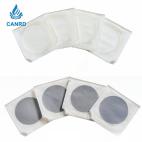
Introduction of Jinteng aseptic filter membrane product:
Material: Nylon (Nylon6), Mixed Cellulose Ester (MCE)
Diameter: 47mm, 50mm; Pore size: 0.2um, 0.45um
Features: Produced in a cleanroom at the level of 100,000, adopts aseptic independent packaging, easy to use, effectively avoids the risk of re-contamination after sterilization
Among them, grid membrane is the ideal choice for microbial testing and bacterial counting
Sterilization method: Ethylene Oxide.
Frequently Asked Questions
Search or browse common questions to find answers quickly

Need R&D Support?
Browse key product categories and connect battery materials with Canrd's R&D services for testing, fabrication, and project support.
Experimental Materials
CategoryCathode, anode, electrolyte, separator, and other materials for battery research.
Shop cathode, anode & electrolyte materials →Lab Equipment
CategoryBattery lab equipment for pilot lines, fixtures, and testing workflows.
Browse battery lab equipment →Electrodes & Cells
CategoryCustom electrodes, dry cells, and battery cell components for R&D validation.
View custom battery electrodes & cells →Sodium Electrolyte
CategorySodium-ion electrolyte options for sodium battery research and validation.
Shop sodium battery electrolytes →R&D Services
ServiceFull-chain battery R&D services from material evaluation to cell fabrication and failure analysis.
Explore Canrd R&D services →Material Evaluation
ServiceCharacterization, electrochemical testing, and compatibility evaluation for battery materials.
Evaluate your battery materials →Electrode Fabrication
ServiceCustom electrode sheets and rolls based on your target chemistry and process needs.
Request electrode fabrication →Cell Fabrication
ServiceDry cells, assembled cells, and custom-format cell builds for R&D validation.
Build custom research cells →Contact
PageAsk Canrd to match products, materials, and services for your project.
Get product and R&D support →
