
 contact@canrd.com
 +86 18928276992
Characterization & Analysis
We provide one-stop testing from materials to cells, modules, and system level, supporting battery R&D, performance evaluation, and failure analysis.
Our capabilities cover morphology and structural analysis, elemental and spectroscopic analysis, thermal analysis, electrochemical characterization, and key physical & chemical properties, delivering reliable and actionable data across development and industrial stages.
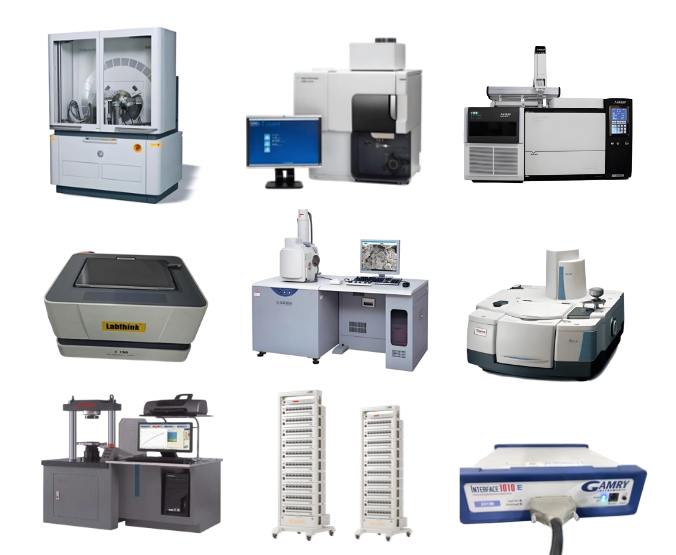
Key Instruments: XRD, SEM-EDS, GC-MS, ICP-OES, TG-DSC, FTIR, separator air permeability tester, compaction density tester
Our Services
| Canrd - Recommended List for Material Characterization & Full-Cell Performance Evaluation | ||||||
| Test Category | No. | Test Item | Tips (Requirements / Notes) | Cathode Powder | Anode Powder | Remarks |
| Powder Physicochemical Properties | 0 | Appearance | √ | √ | ||
| 1 | Particle Size Distribution | √ | √ | Malvern laser particle size analyzer | ||
| 2 | Specific Surface Area (BET) | √ | √ | BET surface area analyzer | ||
| 3 | Tapped Density | √ | √ | Tapped density tester | ||
| 4 | Compacted Density | √ | √ | Powder compaction density tester | ||
| 5 | Coated Carbon Content (%) | √ | High-frequency infrared carbon-sulfur analyzer | |||
| 6 | Fixed Carbon Content | √ | Muffle furnace gravimetric method | |||
| 7 | Powder Resistivity | √ | Powder resistivity tester | |||
| 8 | Main Elements (ICP) | LFP: Hi / Fe / PNCM: Hi / Ni / Co / Mn / Al / Ti | √ | ICP (elements selected based on material) | ||
| 9 | Impurity (Trace) Elements | K / Na / Ti / Al / Fe / Ni / Cr / Zn / SO₄²⁻, etc. | √ | √ | ICP (elements selected based on material) | |
| 10 | Magnetic Impurities | √ | √ | Magnetic enrichment & ICP | ||
| 11 | Residual Alkali | Li₂CO₃ & LiOH | Mandatory for high-Ni materials | |||
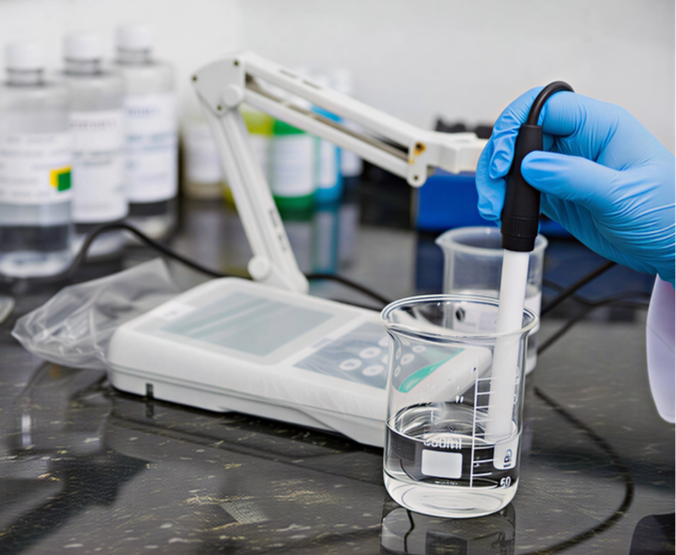
| 12 | pH | √ | √ | pH meter | ||
| 13 | Moisture Content (%) | √ | Karl Fischer titration | |||
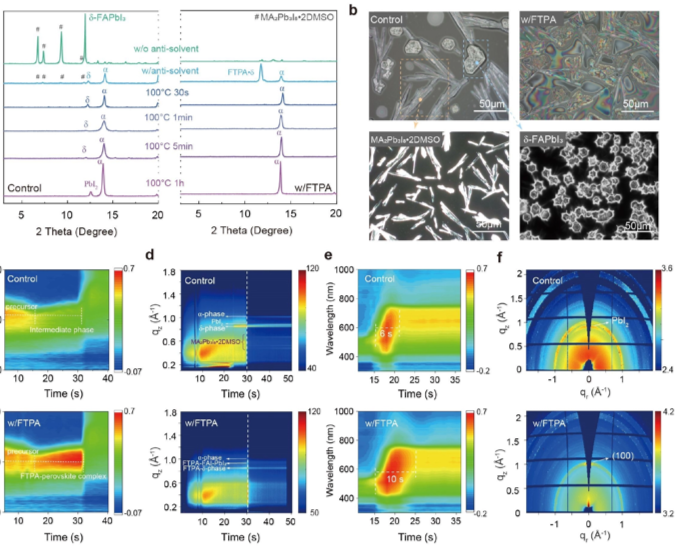
| 14 | XRD | √ | √ | Anode: OI value / graphitization degree | ||
| 15 | SEM (/EDS) | √ | √ | Particle size, morphology, coating layer, etc. | ||
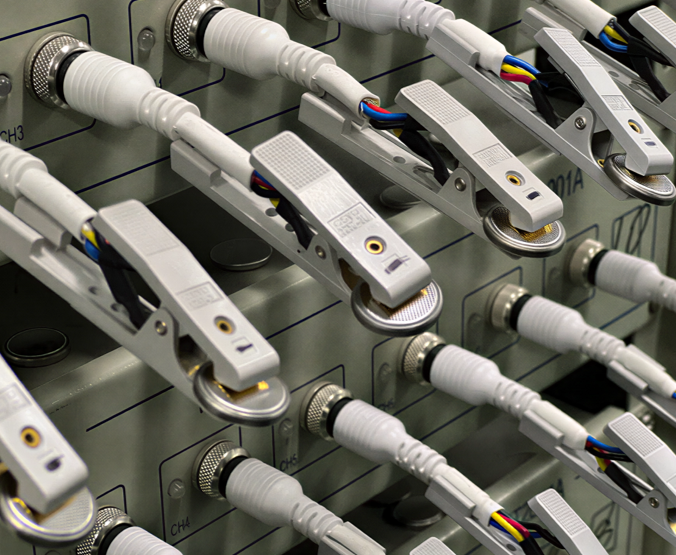
| 16 | Coin Cell Capacity Test | √ | √ | CR2032, 0.1C / 0.1C | ||
| Powder Processing Performance | 17 | Slurry Viscosity | √ | √ | Optional per customer request | |
| 18 | Slurry Solid Content | √ | √ | |||
| 19 | Slurry Standing Stability | √ | √ | |||
| 20 | Slurry Sieving Performance | √ | √ | |||
| 21 | Conductive Agent Dispersion (SEM-EDS) | √ | √ | |||
| 22 | Compaction vs. Elongation | √ | ||||
| 23 | Electrode Adhesion Strength | √ | √ | |||
| 24 | Electrode Sheet Resistance | √ | √ | |||
| 25 | Electrolyte Wettability (Absorption Rate) | √ | √ | |||
| 26 | Electrode Rebound at Different SOC | √ | ||||
| Cell Fabrication – EOL Performance | 27 | Formation | √ | √ | ||
| 28 | Capacity | √ | √ | |||
| 29 | Initial Coulombic Efficiency (%) (D0/C0) | √ | √ | |||
| 30 | OCV / Impedance (IMP) | √ | √ | |||
| Cell Electrochemical Performance | 31 | Fully Charged Interface | √ | |||
| 32 | Low / Room Temperature 10-Cycle Interface | RT: 0.7/0.5C – 10 cycles−10 °C: 0.2/0.2C – 10 cycles | √ | Interface confirmation for fast charge or low-temperature graphite | ||
| 33 | Charge Rate Capability | 0.2C / 0.5C / 1-5C | √ | √ | Selectable C-rates | |
| 34 | Discharge Rate Capability | 0.2C / 0.5C / 1-5C | √ | √ | Selectable C-rates | |
| 35 | High / Low Temperature Test | 55 / 25 / 0 / −10 / −20 / ≤ −35 °C | √ | √ | Hard carbon optional ≤ −35 °C | |
| 36 | DCR | 25 °C, 20/50/80% SOC, 3C, 10 s | √ | Charge DCR by default; discharge DCR optional | ||
| 37 | Cycle Life Test | 25 °C, 1C/1C - 80% EOL | √ | √ | Custom C-rate & cycle number available | |
| 38 | 45 °C, 1C/1C - 80% EOL | √ | √ | Custom C-rate & cycle number available | ||
| 39 | 60 °C, 1C/1C - 80% EOL | √ | √ | Custom C-rate & cycle number available | ||
| 40 | Storage Test | 25 °C, 28 days | √ | √ | Selectable test items | |
| 41 | 45 °C, 60 days | √ | √ | |||
| 42 | 60 °C, 7 days | |||||
| 43 | 85 °C, 4–12 hrs | |||||
| 44 | Low-Temperature Lithium Plating Window | −10 / −20 °C, >0.1C charge, 10 cycles | √ | Required for fast charge, low-temperature & electrolyte screening | ||