

 contact@canrd.com

 +86 18928276992

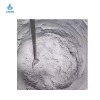
Details
| Test Items | Test result | Method | |
| Appearance | Grayish-white powder, uniform and without any abnormalities. | Visual inspection. | |
| Phenomena |
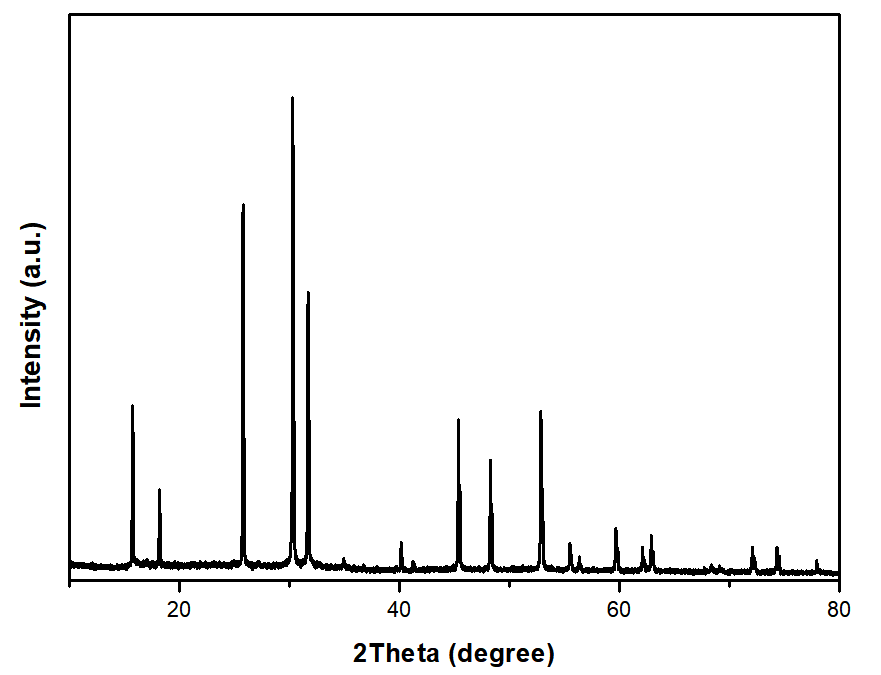
Sulfur-silver-germanium ore Main crystal phase:Li7PS6 |
X-ray diffraction instrument | |
| Theoretical density |
~1.88 |
||
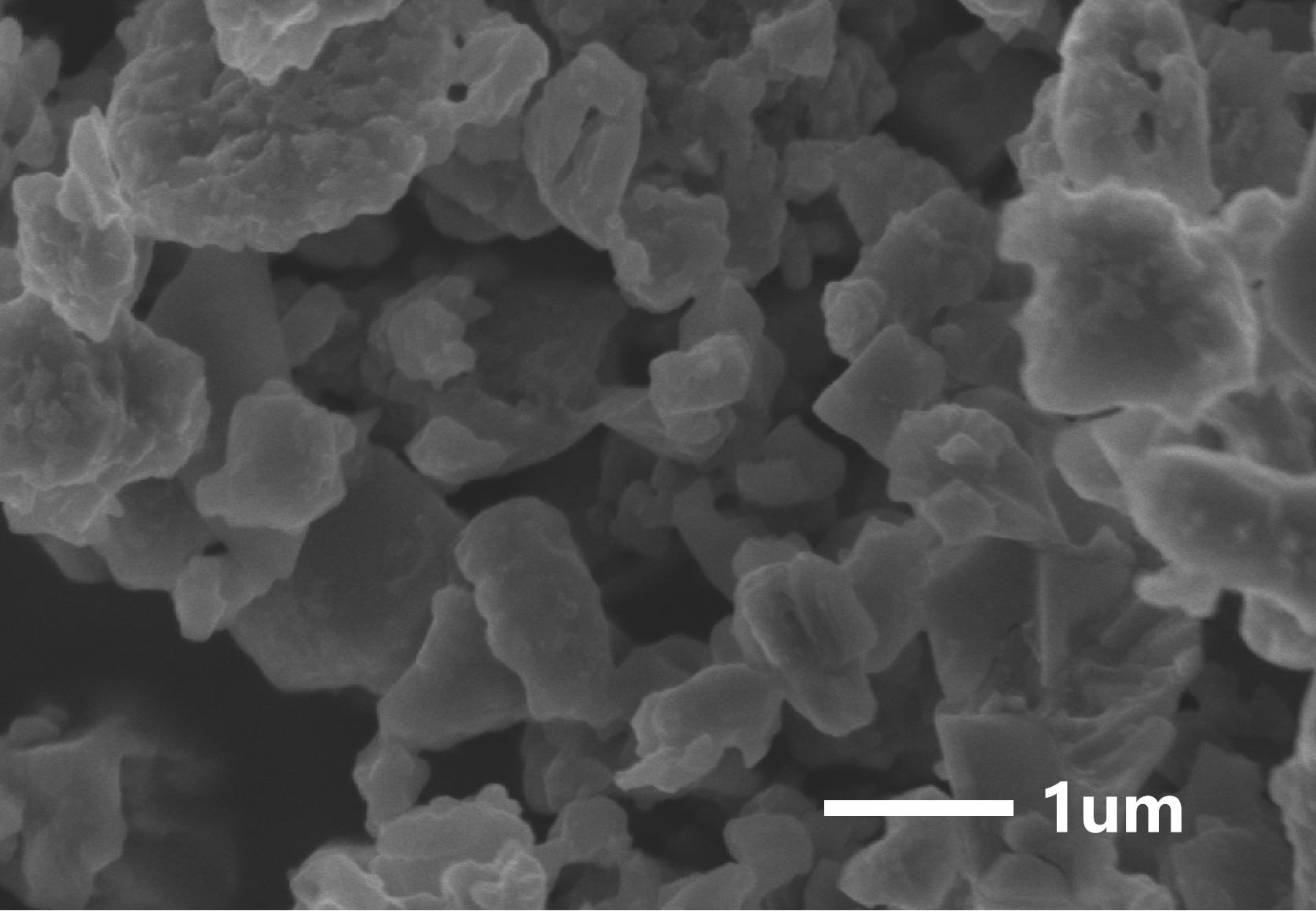
| Particle size | D10(μm) | 0.577 | Particle size analyzer |
| D50(μm) | 0.831 | ||
| D90(μm) | 1.809 | ||
| Moisture | 45ppm | Karl Fischer moisture analyzer | |
| Specific surface area(m2/g) | 8.73 | BET | |
| Ionic conductivity (mS/cm) | 4.55 | Pressed into sheets at 25°C and 350MPa, electrochemical impedance spectroscopy was performed. | |
| lectron conductivity (nS/cm) | 9.52 | Pressed into sheets at 25℃ and 350MPa, electrochemical impedance spectroscopy was performed. | |
|
Test conditions: (1) XRD test: Samples were prepared in an inert atmosphere glove box to avoid the atmosphere of polar solvents. The surface was sealed with polyimide film to isolate air and moisture. (2) Ionic conductivity test: 100 mg of powder was used, a mold diameter of 10 mm was applied, and a pressure of 350 MPa was applied to form a pellet. The pressure was maintained at 350 MPa. EIS test: frequency 1 MHz ~ 1 Hz, amplitude 10 mV. (3) Electronic conductivity test: 100 mg of powder was used, a mold diameter of 10 mm was applied, and a pressure of 350 MPa was applied to form a pellet. The pressure was maintained at 350 MPa. i-t test: constant voltage 0.5 V, test time 1800 s. (4) Particle size test: Wet laser diffraction was used. The powder was ultrasonically dispersed using a non-polar solvent after water removal, and this solvent was used as the dispersant for wet laser particle size analysis. |
|||
XRD spectrum
SEM
Ionic Conductivity Testing of Sulfide Electrolyte Powder:
1. The ionic conductivity of sulfide solid electrolyte powder increases with increasing compression pressure. Above 400 MPa, the ionic conductivity tends to stabilize. Excessive pressure may even cause internal cracking and delamination, leading to inaccurate test values. Therefore, a pressure of 200-400 MPa is generally used for compression.
2. For cold-pressed preforms, stainless steel pillars are used as blocking electrodes. Applying pressure of 30 MPa or higher on both sides ensures good contact between the electrode and the electrolyte.
3. Test Procedure:
① Compression: Pour 200 mg of electrolyte powder into a mold with an inner diameter of 10 mm and apply 350 MPa for compression.
② Measurement: Measure the thickness of the electrolyte sheet in the mold using calipers and a depth gauge.
③ Assembly: After assembly, apply 350 MPa for compression and use a steel fitting to maintain pressure before testing.
④ EIS Testing: Connect to an electrochemical workstation, set the test parameters, and start the test. The AC impedance test frequency range is 1MHz~1Hz, and the voltage amplitude is 10 mV.
⑤ Ionic conductivity calculation: Due to the softness of the sulfide material and good interparticle contact, the AC impedance curve appears as an approximately upward-sloping straight line at 45°, with no obvious grain boundary capacitive reactance signal. The value at the intersection of the curve and the real axis Z' is taken as the total impedance, and the ionic conductivity is calculated.
Important Notes and Usage Recommendations:
1. Operating Environment: All operations must be performed in a glove box filled with high-purity argon (O₂ & H₂O < 0.1 ppm). Any exposure to air will lead to material decomposition, performance failure, and the generation of toxic gases (H₂S).
2. Personal Protective Equipment (PPE): Even when operating inside a glove box, it is recommended to wear chemical-resistant gloves (such as nitrile rubber gloves). If handling is required, a protective mask, goggles, and anti-static laboratory clothing must be worn.
Hazard Statement:
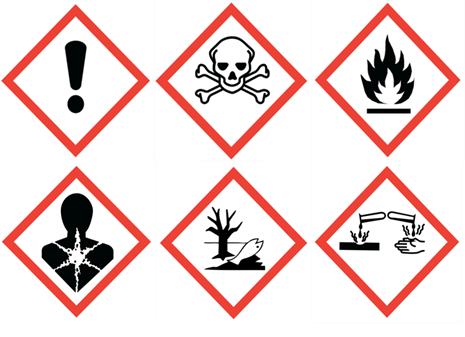
1. Reacts with water, releasing hydrogen sulfide gas. This gas is colorless, highly toxic, has a rotten egg odor at low concentrations, and is odorless at high concentrations; it may spontaneously combust.
2. Fatal if swallowed, comes into contact with skin, or is inhaled.
3. Can cause severe skin burns and eye damage.
4. Extremely toxic to aquatic life.
Precautions:
1. Do not allow contact with water.
2. Handle in an inert gas glove box, protected from moisture.
3. Wear protective gloves/clothing/goggles/face shield.
4. Wash thoroughly after handling.
5. Do not eat, drink, or smoke while using this product.
6. Do not inhale dust/fumes/gases/mist/vapors/sprays.
7. Avoid release into the environment.
Safe Storage:
1. This product is packaged in a fluorinated bottle in a glove box, magnetically sealed, vacuum-sealed, and then sealed in two layers of aluminum-plastic bags. When unopened, it can be stored under normal conditions.
2. If opening is required, open and store in a glove box protected by an inert gas (such as argon) with an oxygen level <0.1 ppm.
Emergency Measures:
1. If swallowed: Immediately call a poison control center or doctor. Rinse mouth. Do not induce vomiting.
2. If on skin (or hair): Immediately remove all contaminated clothing. Rinse skin/shower with plenty of water. Get medical advice/attention immediately.
3. If inhaled: Move to fresh air and keep in a position comfortable for breathing. Get medical advice/attention immediately.
4. If in eyes: Rinse carefully with water for several minutes. If wearing contact lenses and able to remove them easily, remove the contact lenses. Continue rinsing. Get medical advice/attention immediately.
5. Use a Class D fire extinguisher (for metal fires) or dry sand. Do not use water, foam, or carbon dioxide to extinguish the fire.
Disposal Instructions:
1. Waste materials must be treated as hazardous chemical waste. Please contact a qualified professional organization for recycling. Do not discard them indiscriminately.
2. Small amounts of contaminated items can be wiped clean with an alkaline solution inside a fume hood.
Precisa de suporte R&D?
Explore categorias principais de produtos e ligue materiais de bateria aos servicos R&D da Canrd.
Materiais experimentais
CategoriaCatodos, anodos, eletrolitos, separadores e outros materiais para investigacao de baterias.
Comprar materiais de catodo, anodo e eletrolito →Equipamento de laboratorio
CategoriaEquipamento de laboratorio de baterias para linhas piloto, fixtures e fluxos de teste.
Ver equipamento de laboratorio de baterias →Eletrodos e celulas
CategoriaEletrodos personalizados, celulas secas e componentes de celulas para validacao R&D.
Ver eletrodos e celulas de bateria personalizados →Eletrolito de sodio
CategoriaOpcoes de eletrolito de ioes de sodio para investigacao e validacao de baterias de sodio.
Comprar eletrolitos de bateria de sodio →Servicos R&D
ServicoServicos completos de R&D de baterias, da avaliacao de materiais a fabricacao de celulas e analise de falhas.
Explorar servicos R&D da Canrd →Avaliacao de materiais
ServicoCaracterizacao, testes eletroquimicos e avaliacao de compatibilidade para materiais de bateria.
Avaliar os seus materiais de bateria →Fabricacao de eletrodos
ServicoFolhas e rolos de eletrodos personalizados conforme a quimica e processo alvo.
Solicitar fabricacao de eletrodos →Fabricacao de celulas
ServicoCelulas secas, celulas montadas e formatos personalizados para validacao R&D.
Construir celulas de investigacao personalizadas →Contacto
PaginaPeca a Canrd para combinar produtos, materiais e servicos para o seu projeto.
Obter suporte de produto e R&D →
