

 contact@canrd.com
 +86 18928276992
Details
| Test Items | Test result | Method | |
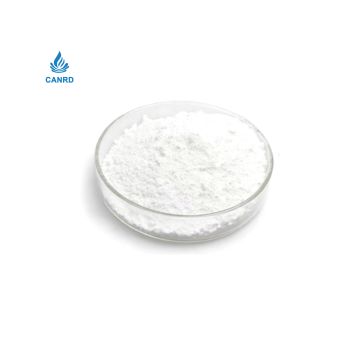
| Appearance | White powder | Visual inspection. | |
| Theoretical density(g/cm3) |
2.56 |
/ | |
| Particle size | D10(μm) | 0.398 | Particle size analyzer |
| D50(μm) | 0.822 | ||
| D90(μm) | 2.773 | ||
| Ionic conductivity (mS/cm) | 0.98 | Pressed into sheets at 25°C and 350MPa, electrochemical impedance spectroscopy was performed. | |
| lectron conductivity (nS/cm) | 6.33 | Pressed into sheets at 25℃ and 350MPa, electrochemical impedance spectroscopy was performed. | |
|
Test conditions: (1) XRD test: Samples were prepared in an inert atmosphere glove box to avoid the atmosphere of polar solvents. The surface was sealed with polyimide film to isolate air and moisture. (2) Ionic conductivity test: 100 mg of powder was used, a mold diameter of 10 mm was applied, and a pressure of 350 MPa was applied to form a pellet. The pressure was maintained at 350 MPa. EIS test: frequency 1 MHz ~ 1 Hz, amplitude 10 mV. (3) Electronic conductivity test: 100 mg of powder was used, a mold diameter of 10 mm was applied, and a pressure of 350 MPa was applied to form a pellet. The pressure was maintained at 350 MPa. i-t test: constant voltage 0.5 V, test time 1800 s. (4) Particle size test: Wet laser diffraction was used. The powder was ultrasonically dispersed using a non-polar solvent after water removal, and this solvent was used as the dispersant for wet laser particle size analysis. |
|||
XRD spectrum

Structural diagram

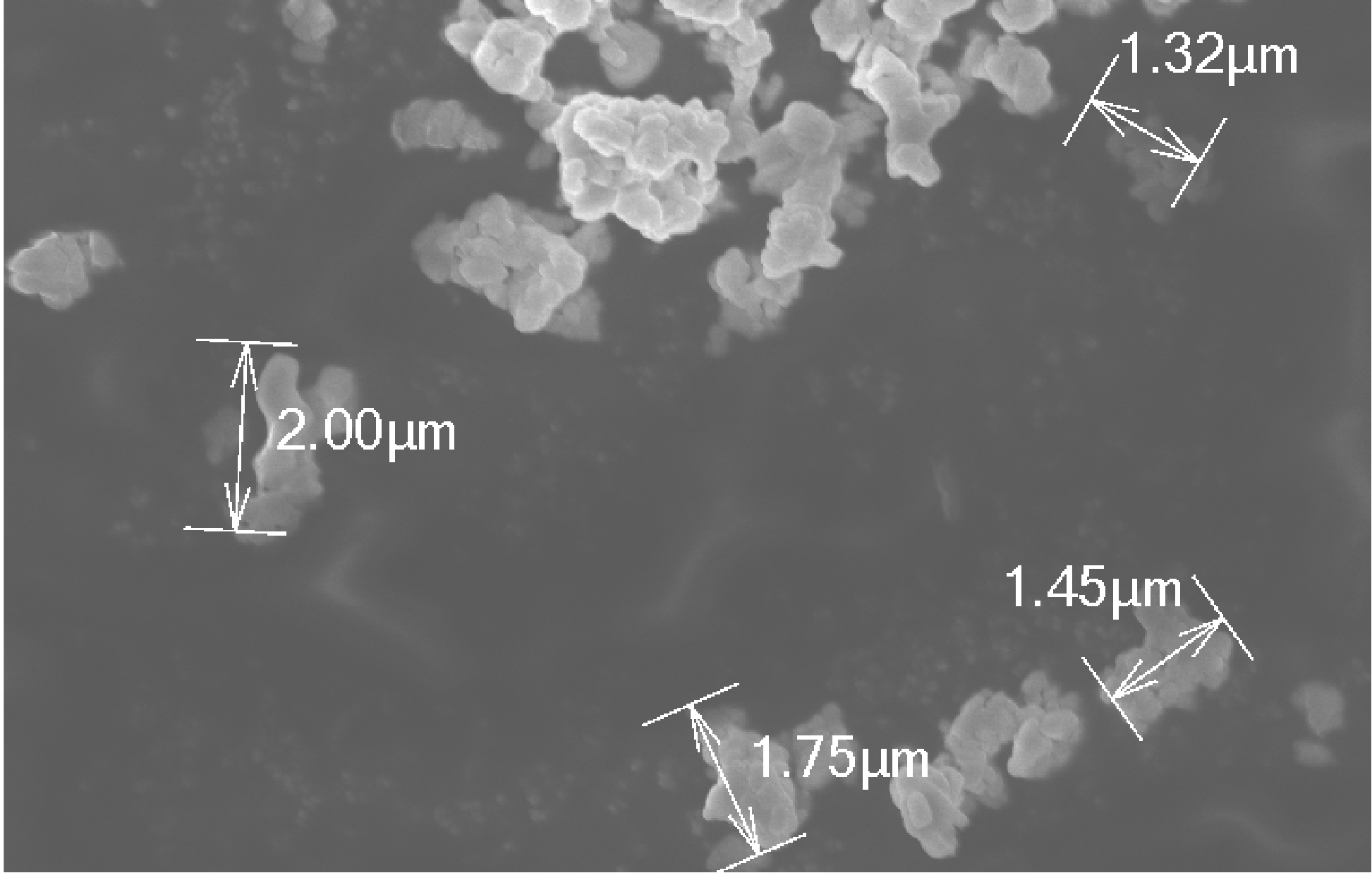
SEM
Need R&D Support?
Browse key product categories and connect battery materials with Canrd's R&D services for testing, fabrication, and project support.
Experimental Materials
CategoryCathode, anode, electrolyte, separator, and other materials for battery research.
Shop cathode, anode & electrolyte materials →Lab Equipment
CategoryBattery lab equipment for pilot lines, fixtures, and testing workflows.
Browse battery lab equipment →Electrodes & Cells
CategoryCustom electrodes, dry cells, and battery cell components for R&D validation.
View custom battery electrodes & cells →Sodium Electrolyte
CategorySodium-ion electrolyte options for sodium battery research and validation.
Shop sodium battery electrolytes →R&D Services
ServiceFull-chain battery R&D services from material evaluation to cell fabrication and failure analysis.
Explore Canrd R&D services →Material Evaluation
ServiceCharacterization, electrochemical testing, and compatibility evaluation for battery materials.
Evaluate your battery materials →Electrode Fabrication
ServiceCustom electrode sheets and rolls based on your target chemistry and process needs.
Request electrode fabrication →Cell Fabrication
ServiceDry cells, assembled cells, and custom-format cell builds for R&D validation.
Build custom research cells →Contact
PageAsk Canrd to match products, materials, and services for your project.
Get product and R&D support →