




Details
1. Due to the combination of different particle sizes and high compaction density, high voltage lithium cobalt oxide requires increased pressure during the rolling process.
2. When applying high voltage to lithium cobalt oxide, attention should be paid to electrolyte formulation to prevent high voltage instability issues.
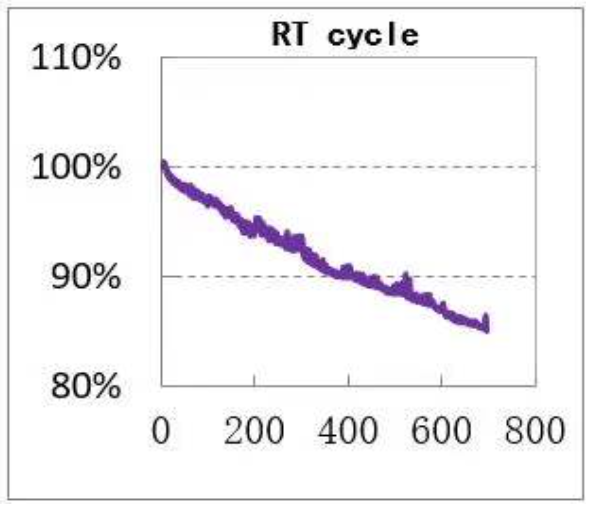
1. MA-EN-CA-0Q Lithium cobalt oxide with a single crystal structure, high specific capacity, surface modification coating, suitable for 4.45V high voltage, mixed particle sizes, high compaction density, and good cycling performance.
2. Good processability, commercially produced in large quantities with stable quality.
3. Widely used in high energy density products such as smartphones, smartwatches, and tablets.
4. Convenient for research on pouch cells and coin cells.
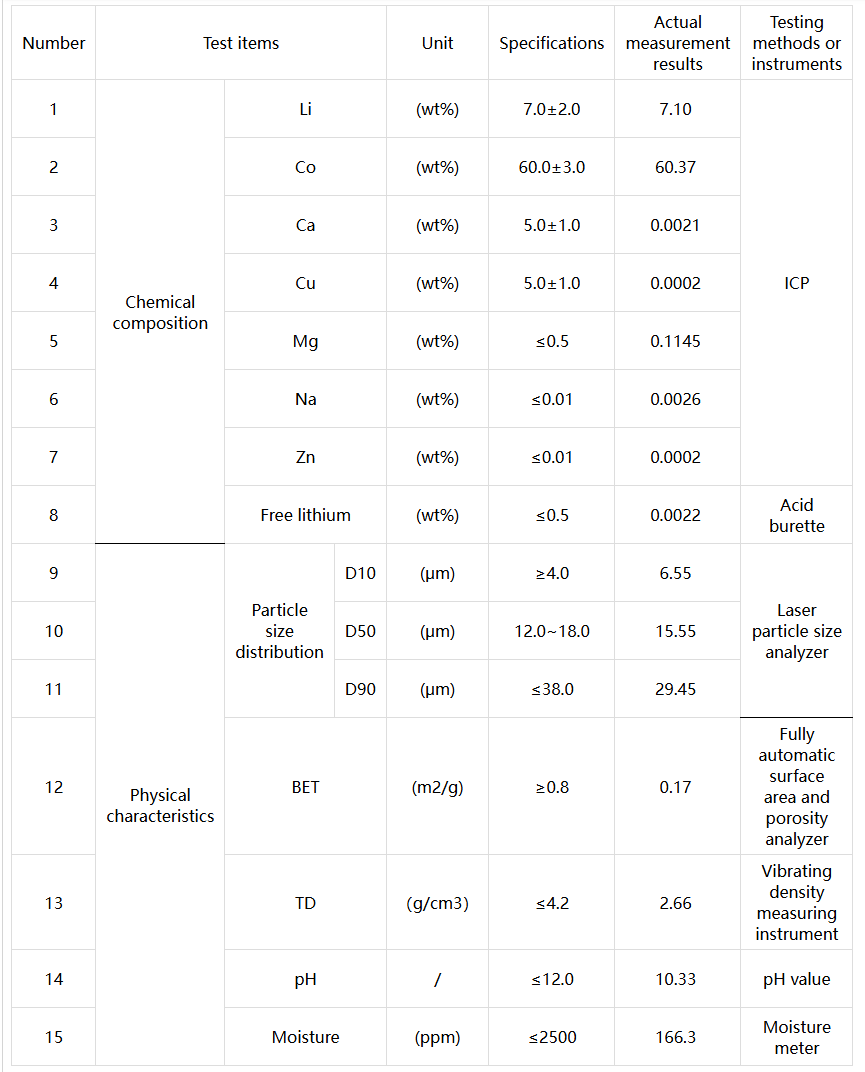
PH~9.97
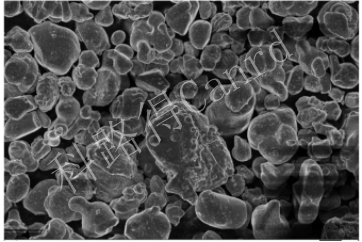
SEM image:
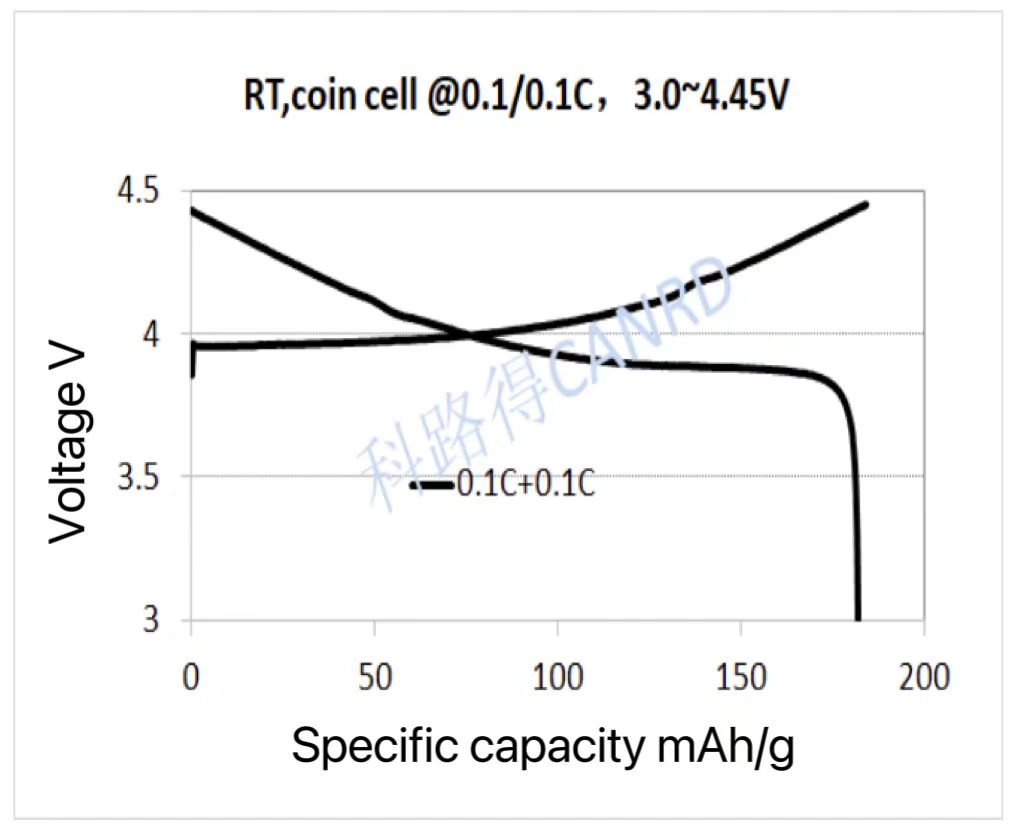
Charge-discharge curve
Overview:
Lithium Cobalt Oxide, chemical formula LiCoO2, is an inorganic compound, commonly used as the cathode material for lithium-ion batteries.
Basic Introduction:
Typically used as the cathode material in lithium-ion secondary batteries[1] , the liquid-phase synthesis process involves using polyvinyl alcohol (PVA) or polyethylene glycol (PEG) aqueous solutions as solvents, dissolving lithium salt and cobalt salt in PVA or PEG solutions. The mixed solution is then heated, concentrated to form a gel, which is further heated and decomposed. The resulting powder is then calcined at high temperatures and milled and sieved to obtain lithium cobalt oxide powder.
Applications:
Mainly used to manufacture cathode materials for lithium-ion batteries in mobile phones, laptops, and other portable electronic devices.[2]
Lithium-ion Battery Cathode Materials: The Advantages of Coating Carbon Aluminum Foil in Lithium Battery Applications
1. Suppresses battery polarization, reduces thermal effects, and improves rate performance;
2.Reduces internal resistance and significantly lowers the increase in dynamic internal resistance during the cycling process;
3. Improves consistency and increases the battery's cycle life;
4. Enhances the adhesion between the active material and the current collector, reducing electrode sheet manufacturing costs;
5. Protects the current collector from corrosion by the electrolyte;
6. Improves the processing performance of lithium iron phosphate and lithium titanate materials.
Cathode Material Preparation Methods :
High-temperature solid-phase method: >700°C, with high reaction temperature and long time, resulting in an uneven product structure.
Low-temperature synthesis method: 400-700°C, lower synthesis temperature, smaller particle size, narrow particle size distribution, and good uniformity.
1. Co-precipitation method
2. Sol-gel method
3. Pechini method
4. Spray drying method
5. Mechanochemical method
6. Microwave synthesis method
Sol-gel Method:
• Full gel method
Soluble lithium salts (LiNO3/LiAc, etc.) and cobalt salts (Co(NO3)2/CoAc, etc.) are dissolved in water, then a polymer such as polyacrylic acid (or tartaric acid with ammonia to adjust pH) is added to form a transparent sol, which is then dehydrated and dried. The dry material is sintered at 450~800°C to obtain the final product.
• Semi-gel method
Soluble lithium salts (LiNO3/LiAc, etc.) are dissolved in water, thickening agents like modified CMC are added, followed by insoluble cobalt salts (CoCO3, CoC2O4, etc.), forming a gel-like substance. After dehydration and drying, the dry material is sintered at 750~900°C to obtain the final product .
Hydrothermal Spray Method
• Soluble Li/Co salts are dissolved in water, a certain thickening agent is added, and the mixture is sprayed in a flowing state. The dry material is sintered at 700~850°C to obtain the final product.
Comparison of Synthesis Methods : Solid-phase method, gel method, and hydrothermal method all produce a complete lithium cobalt oxide layered structure.
• Solid-phase method characteristics: Short production cycle, high tap density. The single crystal particle size is limited by the raw materials, making it difficult to control target particle size. Poor uniformity of Li+ distribution.
• Gel method characteristics: Long production cycle, low tap density. Single crystal particle size is not controlled by raw materials, and the particle size can be designed according to needs. Particle size depends on temperature, atmosphere, and lithium-cobalt ratio.
• Spray method characteristics: Small single crystals, high capacity, good rate capability. Very difficult to industrialize, low tap density.
A Brief Discussion on Lithium Battery Cathode Materials
http://news.battery.com.cn/7/detail_33185.html
Performance Comparison of Five Major Lithium Battery Cathode Materials
Overview:
Lithium Cobalt Oxide, chemical formula LiCoO2, is an inorganic compound, commonly used as the cathode material for lithium-ion batteries.
Basic Introduction:
Typically used as the cathode material in lithium-ion secondary batteries[1] , the liquid-phase synthesis process involves using polyvinyl alcohol (PVA) or polyethylene glycol (PEG) aqueous solutions as solvents, dissolving lithium salt and cobalt salt in PVA or PEG solutions. The mixed solution is then heated, concentrated to form a gel, which is further heated and decomposed. The resulting powder is then calcined at high temperatures and milled and sieved to obtain lithium cobalt oxide powder.
Applications:
Mainly used to manufacture cathode materials for lithium-ion batteries in mobile phones, laptops, and other portable electronic devices.[2]
Lithium-ion Battery Cathode Materials: The Advantages of Coating Carbon Aluminum Foil in Lithium Battery Applications
1. Suppresses battery polarization, reduces thermal effects, and improves rate performance;
2.Reduces internal resistance and significantly lowers the increase in dynamic internal resistance during the cycling process;
3. Improves consistency and increases the battery's cycle life;
4. Enhances the adhesion between the active material and the current collector, reducing electrode sheet manufacturing costs;
5. Protects the current collector from corrosion by the electrolyte;
6. Improves the processing performance of lithium iron phosphate and lithium titanate materials.
Cathode Material Preparation Methods :
High-temperature solid-phase method: >700°C, with high reaction temperature and long time, resulting in an uneven product structure.
Low-temperature synthesis method: 400-700°C, lower synthesis temperature, smaller particle size, narrow particle size distribution, and good uniformity.
1. Co-precipitation method
2. Sol-gel method
3. Pechini method
4. Spray drying method
5. Mechanochemical method
6. Microwave synthesis method
Sol-gel Method:
• Full gel method
Soluble lithium salts (LiNO3/LiAc, etc.) and cobalt salts (Co(NO3)2/CoAc, etc.) are dissolved in water, then a polymer such as polyacrylic acid (or tartaric acid with ammonia to adjust pH) is added to form a transparent sol, which is then dehydrated and dried. The dry material is sintered at 450~800°C to obtain the final product.
• Semi-gel method
Soluble lithium salts (LiNO3/LiAc, etc.) are dissolved in water, thickening agents like modified CMC are added, followed by insoluble cobalt salts (CoCO3, CoC2O4, etc.), forming a gel-like substance. After dehydration and drying, the dry material is sintered at 750~900°C to obtain the final product .
Hydrothermal Spray Method
• Soluble Li/Co salts are dissolved in water, a certain thickening agent is added, and the mixture is sprayed in a flowing state. The dry material is sintered at 700~850°C to obtain the final product.
Comparison of Synthesis Methods : Solid-phase method, gel method, and hydrothermal method all produce a complete lithium cobalt oxide layered structure.
• Solid-phase method characteristics: Short production cycle, high tap density. The single crystal particle size is limited by the raw materials, making it difficult to control target particle size. Poor uniformity of Li+ distribution.
• Gel method characteristics: Long production cycle, low tap density. Single crystal particle size is not controlled by raw materials, and the particle size can be designed according to needs. Particle size depends on temperature, atmosphere, and lithium-cobalt ratio.
• Spray method characteristics: Small single crystals, high capacity, good rate capability. Very difficult to industrialize, low tap density.
A Brief Discussion on Lithium Battery Cathode Materials
http://news.battery.com.cn/7/detail_33185.html
Performance Comparison of Five Major Lithium Battery Cathode Materials
Overview:
Lithium Cobalt Oxide, chemical formula LiCoO2, is an inorganic compound, commonly used as the cathode material for lithium-ion batteries.
Basic Introduction:
Typically used as the cathode material in lithium-ion secondary batteries[1] , the liquid-phase synthesis process involves using polyvinyl alcohol (PVA) or polyethylene glycol (PEG) aqueous solutions as solvents, dissolving lithium salt and cobalt salt in PVA or PEG solutions. The mixed solution is then heated, concentrated to form a gel, which is further heated and decomposed. The resulting powder is then calcined at high temperatures and milled and sieved to obtain lithium cobalt oxide powder.
Applications:
Mainly used to manufacture cathode materials for lithium-ion batteries in mobile phones, laptops, and other portable electronic devices.[2]
Lithium-ion Battery Cathode Materials: The Advantages of Coating Carbon Aluminum Foil in Lithium Battery Applications
1. Suppresses battery polarization, reduces thermal effects, and improves rate performance;
2.Reduces internal resistance and significantly lowers the increase in dynamic internal resistance during the cycling process;
3. Improves consistency and increases the battery's cycle life;
4. Enhances the adhesion between the active material and the current collector, reducing electrode sheet manufacturing costs;
5. Protects the current collector from corrosion by the electrolyte;
6. Improves the processing performance of lithium iron phosphate and lithium titanate materials.
Cathode Material Preparation Methods :
High-temperature solid-phase method: >700°C, with high reaction temperature and long time, resulting in an uneven product structure.
Low-temperature synthesis method: 400-700°C, lower synthesis temperature, smaller particle size, narrow particle size distribution, and good uniformity.
1. Co-precipitation method
2. Sol-gel method
3. Pechini method
4. Spray drying method
5. Mechanochemical method
6. Microwave synthesis method
Sol-gel Method:
• Full gel method
Soluble lithium salts (LiNO3/LiAc, etc.) and cobalt salts (Co(NO3)2/CoAc, etc.) are dissolved in water, then a polymer such as polyacrylic acid (or tartaric acid with ammonia to adjust pH) is added to form a transparent sol, which is then dehydrated and dried. The dry material is sintered at 450~800°C to obtain the final product.
• Semi-gel method
Soluble lithium salts (LiNO3/LiAc, etc.) are dissolved in water, thickening agents like modified CMC are added, followed by insoluble cobalt salts (CoCO3, CoC2O4, etc.), forming a gel-like substance. After dehydration and drying, the dry material is sintered at 750~900°C to obtain the final product .
Hydrothermal Spray Method
• Soluble Li/Co salts are dissolved in water, a certain thickening agent is added, and the mixture is sprayed in a flowing state. The dry material is sintered at 700~850°C to obtain the final product.
Comparison of Synthesis Methods : Solid-phase method, gel method, and hydrothermal method all produce a complete lithium cobalt oxide layered structure.
• Solid-phase method characteristics: Short production cycle, high tap density. The single crystal particle size is limited by the raw materials, making it difficult to control target particle size. Poor uniformity of Li+ distribution.
• Gel method characteristics: Long production cycle, low tap density. Single crystal particle size is not controlled by raw materials, and the particle size can be designed according to needs. Particle size depends on temperature, atmosphere, and lithium-cobalt ratio.
• Spray method characteristics: Small single crystals, high capacity, good rate capability. Very difficult to industrialize, low tap density.
A Brief Discussion on Lithium Battery Cathode Materials
http://news.battery.com.cn/7/detail_33185.html
Performance Comparison of Five Major Lithium Battery Cathode Materials
Need R&D Support?
Browse key product categories and connect battery materials with Canrud's R&D services for testing, fabrication, and project support.
Experimental Materials
CategoryCathode, anode, electrolyte, separator, and other materials for battery research.
Shop cathode, anode & electrolyte materials →Lab Equipment
CategoryBattery lab equipment for pilot lines, fixtures, and testing workflows.
Browse battery lab equipment →Electrodes & Cells
CategoryCustom electrodes, dry cells, and battery cell components for R&D validation.
View custom battery electrodes & cells →Sodium Electrolyte
CategorySodium-ion electrolyte options for sodium battery research and validation.
Shop sodium battery electrolytes →R&D Services
ServiceFull-chain battery R&D services from material evaluation to cell fabrication and failure analysis.
Explore Canrud R&D services →Material Evaluation
ServiceCharacterization, electrochemical testing, and compatibility evaluation for battery materials.
Evaluate your battery materials →Electrode Fabrication
ServiceCustom electrode sheets and rolls based on your target chemistry and process needs.
Request electrode fabrication →Cell Fabrication
ServiceDry cells, assembled cells, and custom-format cell builds for R&D validation.
Build custom research cells →Contact
PageAsk Canrud to match products, materials, and services for your project.
Get product and R&D support →