

 contact@canrd.com
 +86 18928276992
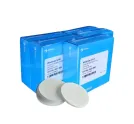
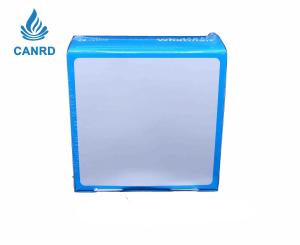
Glass Fiber Filter Membrane/Separator (GF/C)
Details
Note: Some product models are currently out of stock. Please contact the purchasing department to confirm the lead time before placing an order.
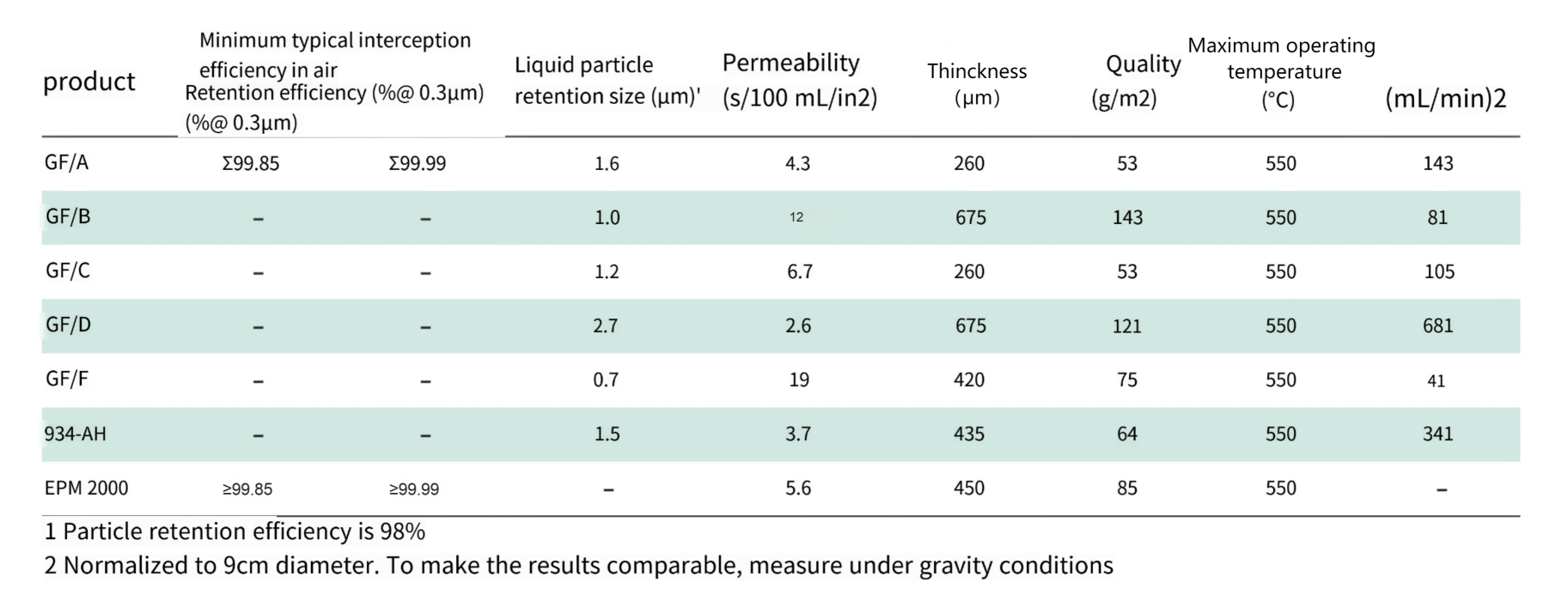
GF/C:
It is a non-bonded filter membrane that effectively retains fine particles and allows fast flow. It is commonly used as a standard filter membrane for testing drinking water, natural water, and industrial wastewater. It is also used for sample pretreatment in gas chromatography, cell culture, liquid scintillation counting, and the development of immunoassay diagnostic kits.
The specifications marked with "*" are regular products. It is recommended to purchase this type of specification model. The delivery time for other specifications is relatively long. Please contact customer service to confirm the delivery time when placing an order.The theoretical maximum tolerance temperature is 550 ℃ (there are many limitations, such as the temperature needs to gradually and uniformly rise, and baking should not exceed 1 hour when reaching the highest temperature). It is recommended to control the actual maximum temperature between 300-400 degrees Celsius.
Need R&D Support?
Browse key product categories and connect battery materials with Canrd's R&D services for testing, fabrication, and project support.
Experimental Materials
CategoryCathode, anode, electrolyte, separator, and other materials for battery research.
Shop cathode, anode & electrolyte materials →Lab Equipment
CategoryBattery lab equipment for pilot lines, fixtures, and testing workflows.
Browse battery lab equipment →Electrodes & Cells
CategoryCustom electrodes, dry cells, and battery cell components for R&D validation.
View custom battery electrodes & cells →Sodium Electrolyte
CategorySodium-ion electrolyte options for sodium battery research and validation.
Shop sodium battery electrolytes →R&D Services
ServiceFull-chain battery R&D services from material evaluation to cell fabrication and failure analysis.
Explore Canrd R&D services →Material Evaluation
ServiceCharacterization, electrochemical testing, and compatibility evaluation for battery materials.
Evaluate your battery materials →Electrode Fabrication
ServiceCustom electrode sheets and rolls based on your target chemistry and process needs.
Request electrode fabrication →Cell Fabrication
ServiceDry cells, assembled cells, and custom-format cell builds for R&D validation.
Build custom research cells →Contact
PageAsk Canrd to match products, materials, and services for your project.
Get product and R&D support →