

 contact@canrd.com
 +86 18928276992
Details
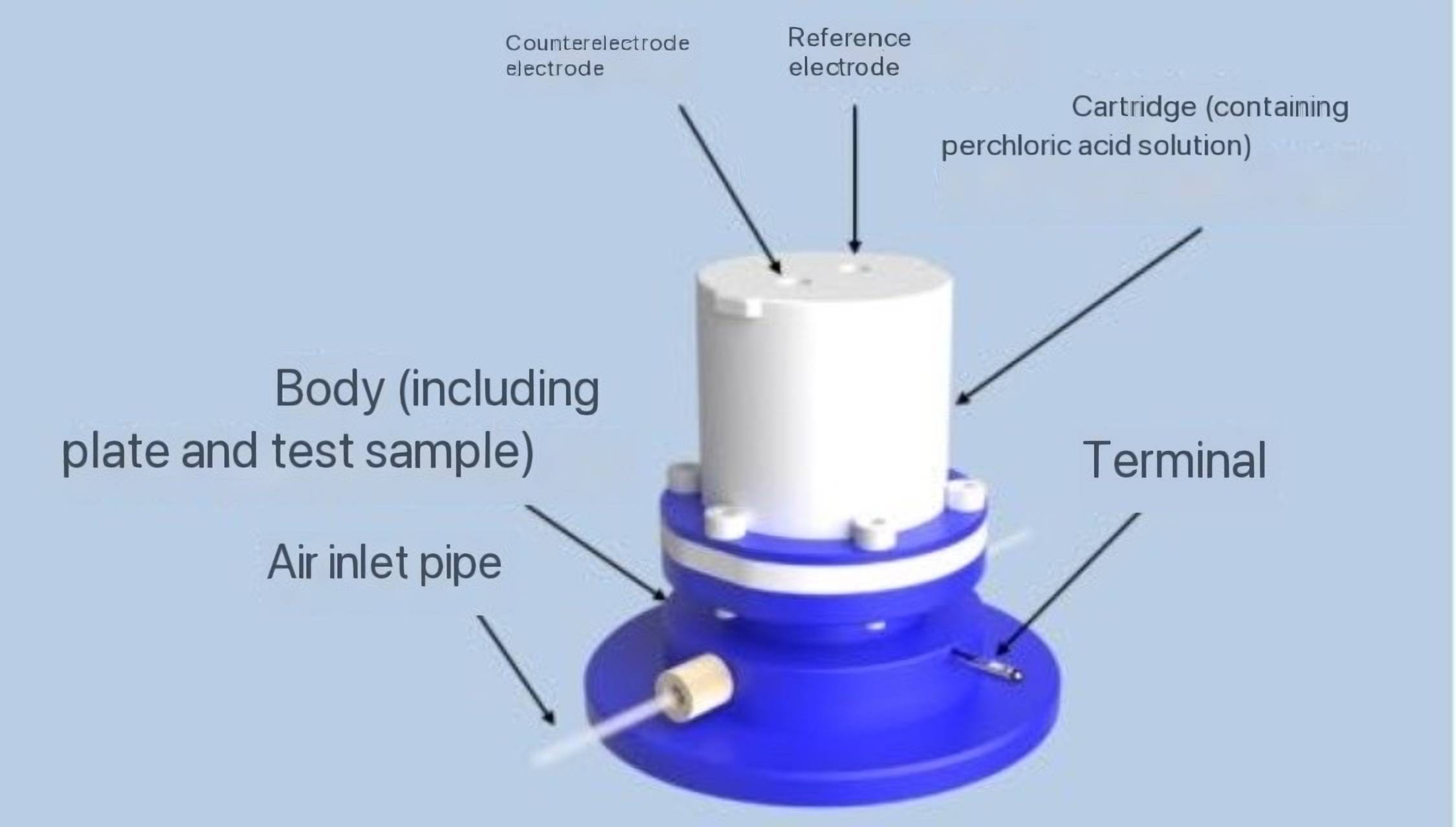
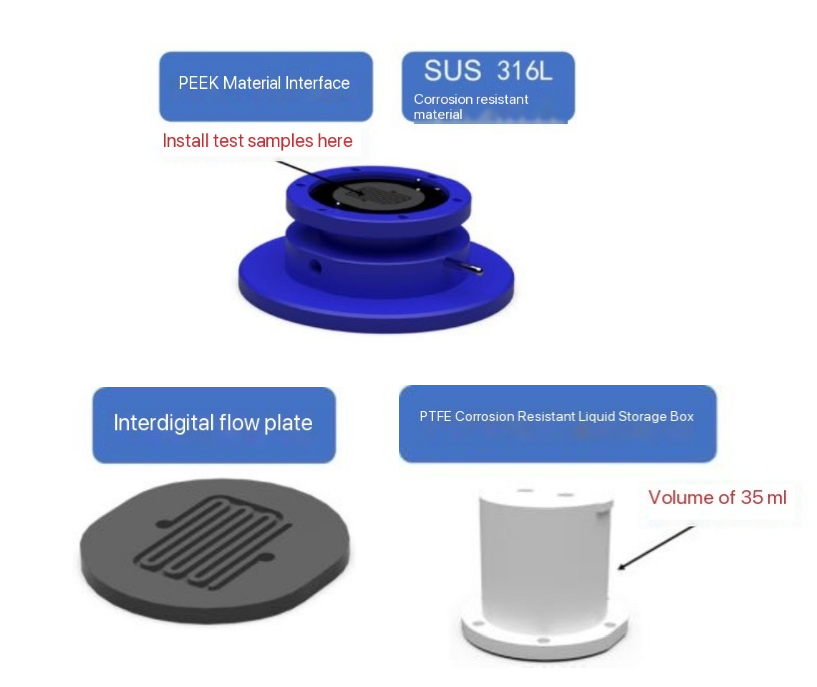
The T3-110S test fixture is mainly used to evaluate the performance of fuel cell cathode catalysts in a state close to real MEA, and has the following characteristics compared with traditional RDE:
1. The electrode preparation is similar to MEA, and the cathode side structure is similar to that of real MEA;
2. When testing ORR in traditional RDE, the oxygen comes completely from the dissolved oxygen in the water, which limits the mass transfer process of the ORR reaction, so the ultimate diffusion current can only reach 6mA/cm2 during the rotary disc test. During the ORR test, the catalyst of CT-S can be in direct contact with oxygen, without the limitation of oxygen solution in water, the mass transfer polarization is small, and the performance of the tested catalyst is close to its performance in the membrane electrode.
3. Through the control of parameters such as oxygen (air) flow rate and perchloric acid solution concentration, the influence of each parameter on the activity of the catalyst can be studied.

Need R&D Support?
Browse key product categories and connect battery materials with Canrd's R&D services for testing, fabrication, and project support.
Experimental Materials
CategoryCathode, anode, electrolyte, separator, and other materials for battery research.
Shop cathode, anode & electrolyte materials →Lab Equipment
CategoryBattery lab equipment for pilot lines, fixtures, and testing workflows.
Browse battery lab equipment →Electrodes & Cells
CategoryCustom electrodes, dry cells, and battery cell components for R&D validation.
View custom battery electrodes & cells →Sodium Electrolyte
CategorySodium-ion electrolyte options for sodium battery research and validation.
Shop sodium battery electrolytes →R&D Services
ServiceFull-chain battery R&D services from material evaluation to cell fabrication and failure analysis.
Explore Canrd R&D services →Material Evaluation
ServiceCharacterization, electrochemical testing, and compatibility evaluation for battery materials.
Evaluate your battery materials →Electrode Fabrication
ServiceCustom electrode sheets and rolls based on your target chemistry and process needs.
Request electrode fabrication →Cell Fabrication
ServiceDry cells, assembled cells, and custom-format cell builds for R&D validation.
Build custom research cells →Contact
PageAsk Canrd to match products, materials, and services for your project.
Get product and R&D support →