

 contact@canrd.com
 +86 18928276992

Details
Tin-plated copper foil uses high-purity copper foil as the substrate. A layer of pure tin with a thickness of approximately 0.5–5 µm is deposited on its surface by electroplating or electroless plating. It improves oxidation resistance, solderability and long-term conductive stability, and is widely used in PCBs, cable shielding, lithium battery tabs and other fields. This copper product delivers good corrosion resistance and solderability, while also offering enhanced wear resistance and acid-alkali corrosion resistance. The product features excellent wear resistance and anti-corrosion performance.
| No. | Test Item | Unit | Specification |
|---|---|---|---|
| 1 | Tin Purity | % | ≥99.0 |
| 2 | Copper Foil | - | Double-sided Bright Electrolytic Copper Foil |
| 3 | Coating Thickness | μm | 1.5±0.5 |
| 4 | Solderability (Reflow Soldering) | - | OK |
| 5 | Cross-cut Test | - | 5B |
| 6 | Surface Resistance | mΩ | ≤30 |
| 7 | Surface Dyne Value | - | ≥38 |
| 8 | Alcohol Rubbing Test (500g) | - | OK |
| 9 | Corrosion Resistance (Ambient Temp: 5% NaCl, pH=7) | OK | |
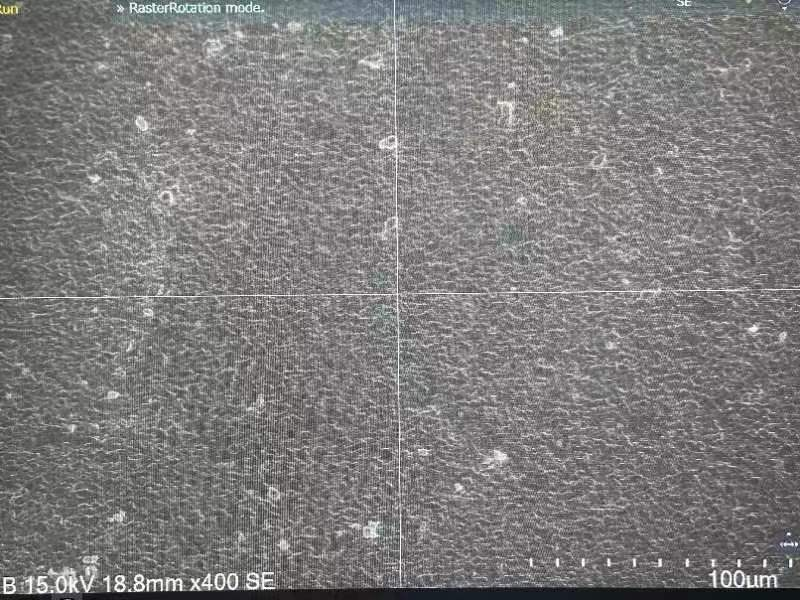
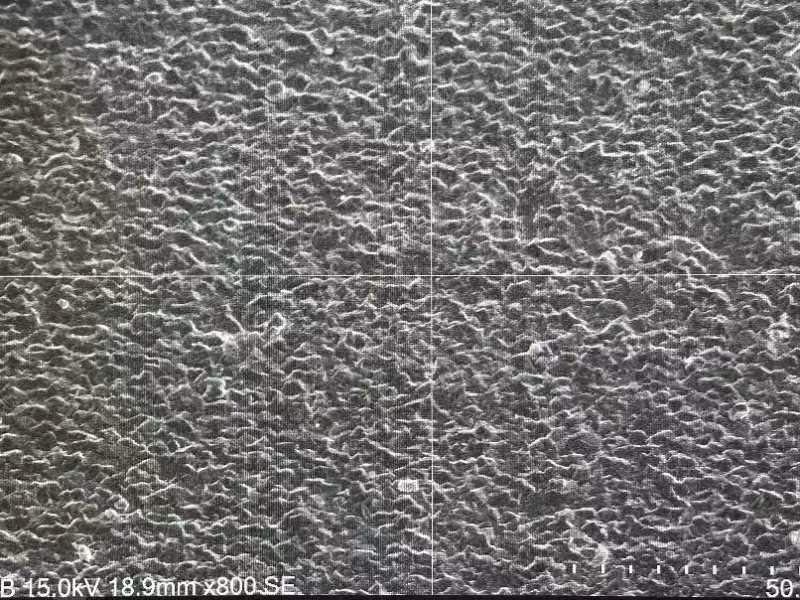
Note: Reflow solderability: original wetting performance.
Application Fields
I. Cables and Connection Systems
This is the most classic and widely used application field for tin-plated copper foil.
- Cable Shielding: Shielding layers woven from tin-plated copper wires effectively resist electromagnetic interference, and are widely used in data communication cables, control cables, power cables and coaxial cables.
- High-speed Data Connections: Used for shielding layers of high-speed direct-connect copper cables in AI computing, data centers and other scenarios to ensure stable and reliable transmission of large-capacity, high-speed data.
- New Energy Vehicle Wiring Harnesses: Applied to on-board high-voltage cables, signal cables and motor windings (e.g., servo motors), delivering stable electrical conductivity, corrosion resistance and high-temperature resistance.
- Robot Wiring Harnesses: Used for internal motor wires and signal transmission cables of servo systems in industrial robots to meet stringent requirements for precision movement and reliability.
II. Electronic Components and Circuit Connections
The tin layer is mainly adopted for its solderability and protective properties to ensure long-term stability of electrical connections and prevent oxidation of electronic parts.
- Terminals and Connectors: Applied to pins or contact areas of various terminals, connectors, relays and other components, to improve solderability, reduce contact resistance and protect the copper substrate from oxidation.
- Printed Circuit Boards (PCBs): Used as pad or lead materials for PCBs. The tin coating protects copper foil against oxidation and guarantees excellent solderability even after long-term storage.
- Electronic Component Protection: Protects oxidation-sensitive component pins and maintains good conductivity and solderability.
III. Other Industrial and Special Applications
- Corrosion-resistant Mechanical Parts: Tin features moderate corrosion resistance and lubricity. Thick tin coatings are applied to pump parts, piston rings, bearings, valves and other mechanical engineering components.
- Food Processing Equipment: Thanks to tin’s non-toxicity and good corrosion resistance, tin coatings can be used on contact surfaces such as food processing containers and equipment inner walls. This requires thick and non-porous coatings.
- Excellent Electrical Conductivity: Copper foil serves as the conductive layer, ensuring tin-plated copper foil delivers favorable conductive performance and meets the high conductivity requirements of electronic devices.
- Good Corrosion Resistance: The tin coating can form a dense tin dioxide film in air, which effectively prevents further oxidation of copper foil and improves the product’s corrosion resistance. Besides, the tin layer can form a similar film in halogen environments to further boost its anti-corrosion property.
- Solderability: Tin-plated copper foil features good solderability, satisfying soldering requirements during electronic product manufacturing and improving production efficiency and product quality. The tin content in the tin coating can be adjusted from 65% to 92% according to customer demands to fit different soldering processes.
- Strength and Hardness: The tin coating also endows copper foil with certain strength and hardness for more stable and reliable performance in service.
- Non-toxic and Odorless: Tin metal is non-toxic and odorless, so tin-plated copper foil is widely used in food industry and other scenarios requiring non-toxic materials.
Store horizontally below 25°C. Keep away from direct sunlight, rain, moisture and corrosive gases to avoid copper foil discoloration and oxidation.
Häufig gestellte Fragen
Durchsuchen oder durchstöbern Sie häufige Fragen, um schnell Antworten zu finden

Benötigen Sie R&D-Unterstützung?
Entdecken Sie wichtige Produktkategorien und verbinden Sie Batteriematerialien mit Canrds R&D-Services.
Experimentelle Materialien
KategorieKathoden, Anoden, Elektrolyte, Separatoren und weitere Materialien für Batterieforschung.
Kathoden-, Anoden- und Elektrolytmaterialien kaufen →Laborgeräte
KategorieBatterielaborgeräte für Pilotlinien, Vorrichtungen und Testabläufe.
Batterielaborgeräte ansehen →Elektroden und Zellen
KategorieKundenspezifische Elektroden, Trockenzellen und Zellkomponenten für R&D-Validierung.
Kundenspezifische Batterieelektroden und Zellen ansehen →Natrium-Elektrolyt
KategorieNatrium-Ionen-Elektrolyte für Natriumbatterieforschung und Validierung.
Natrium-Batterieelektrolyte kaufen →R&D-Services
ServiceGanzheitliche Batterie-R&D-Services von Materialbewertung bis Zellfertigung und Fehleranalyse.
Canrd R&D-Services entdecken →Materialbewertung
ServiceCharakterisierung, elektrochemische Tests und Kompatibilitätsbewertung für Batteriematerialien.
Batteriematerialien bewerten lassen →Elektrodenfertigung
ServiceKundenspezifische Elektrodenblätter und -rollen für Ihre Zielchemie und Prozessanforderungen.
Elektrodenfertigung anfragen →Zellfertigung
ServiceTrockenzellen, montierte Zellen und kundenspezifische Zellformate für R&D-Validierung.
Kundenspezifische Forschungszellen bauen →Kontakt
SeiteCanrd kann Produkte, Materialien und Services passend zu Ihrem Projekt kombinieren.
Produkt- und R&D-Support erhalten →
