

 contact@canrd.com
 +86 18928276992
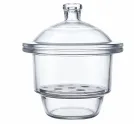


Details
Häufig gestellte Fragen
Durchsuchen oder durchstöbern Sie häufige Fragen, um schnell Antworten zu finden

Benötigen Sie R&D-Unterstützung?
Entdecken Sie wichtige Produktkategorien und verbinden Sie Batteriematerialien mit Canrds R&D-Services.
Experimentelle Materialien
KategorieKathoden, Anoden, Elektrolyte, Separatoren und weitere Materialien für Batterieforschung.
Kathoden-, Anoden- und Elektrolytmaterialien kaufen →Laborgeräte
KategorieBatterielaborgeräte für Pilotlinien, Vorrichtungen und Testabläufe.
Batterielaborgeräte ansehen →Elektroden und Zellen
KategorieKundenspezifische Elektroden, Trockenzellen und Zellkomponenten für R&D-Validierung.
Kundenspezifische Batterieelektroden und Zellen ansehen →Natrium-Elektrolyt
KategorieNatrium-Ionen-Elektrolyte für Natriumbatterieforschung und Validierung.
Natrium-Batterieelektrolyte kaufen →R&D-Services
ServiceGanzheitliche Batterie-R&D-Services von Materialbewertung bis Zellfertigung und Fehleranalyse.
Canrd R&D-Services entdecken →Materialbewertung
ServiceCharakterisierung, elektrochemische Tests und Kompatibilitätsbewertung für Batteriematerialien.
Batteriematerialien bewerten lassen →Elektrodenfertigung
ServiceKundenspezifische Elektrodenblätter und -rollen für Ihre Zielchemie und Prozessanforderungen.
Elektrodenfertigung anfragen →Zellfertigung
ServiceTrockenzellen, montierte Zellen und kundenspezifische Zellformate für R&D-Validierung.
Kundenspezifische Forschungszellen bauen →Kontakt
SeiteCanrd kann Produkte, Materialien und Services passend zu Ihrem Projekt kombinieren.
Produkt- und R&D-Support erhalten →
