

 contact@canrd.com
 +86 18928276992
Details
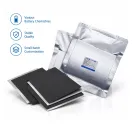
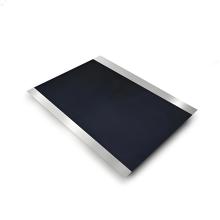
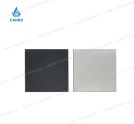
This NCM622 cathode electrode sheet is designed for advanced lithium-ion battery research, featuring single-crystal nickel-cobalt-manganese (NCM622-C) active material. The electrode is optimized for use with Canrd-recommended testing protocols and specific electrolytes, such as 622 cutoff or ternary electrolyte KLD-1230C, to ensure reliable electrochemical performance. Proper handling is critical: storage requires vacuum or doubled sealed bags to prevent moisture-induced degradation, and the sheet requires rolling within the suggested compactness range to avoid fold lines. Typical applications include coin-cell and pouch-cell fabrication for evaluating cathode performance under controlled conditions. The product is available in rolled or unrolled formats, with customized options, and is intended for users familiar with standardized electrode preparation procedures.
| Canrd | 10*10cm | 5 sheets/pack | Coating | ||||
| NO. | Electrode Name | Model | Main Material | Active Material Capacity (mAh/g) | Loading | Areal Density (mg/cm²) | Areal Capacity (mAh/cm²) |
| 1 | NCM811 Electrode | SY33 | NCM811 Single Crystal | 188 | 94.50% | 9.20 | 1.63 |
| 2 | NCM811 Electrode | SY34 | — | 188 | 94.50% | 21.50 | 3.82 |
| 3 | NCM622 Electrode | SY25 | NCM622 Single Crystal-B | 168 | 96.70% | 10.00 | 1.62 |
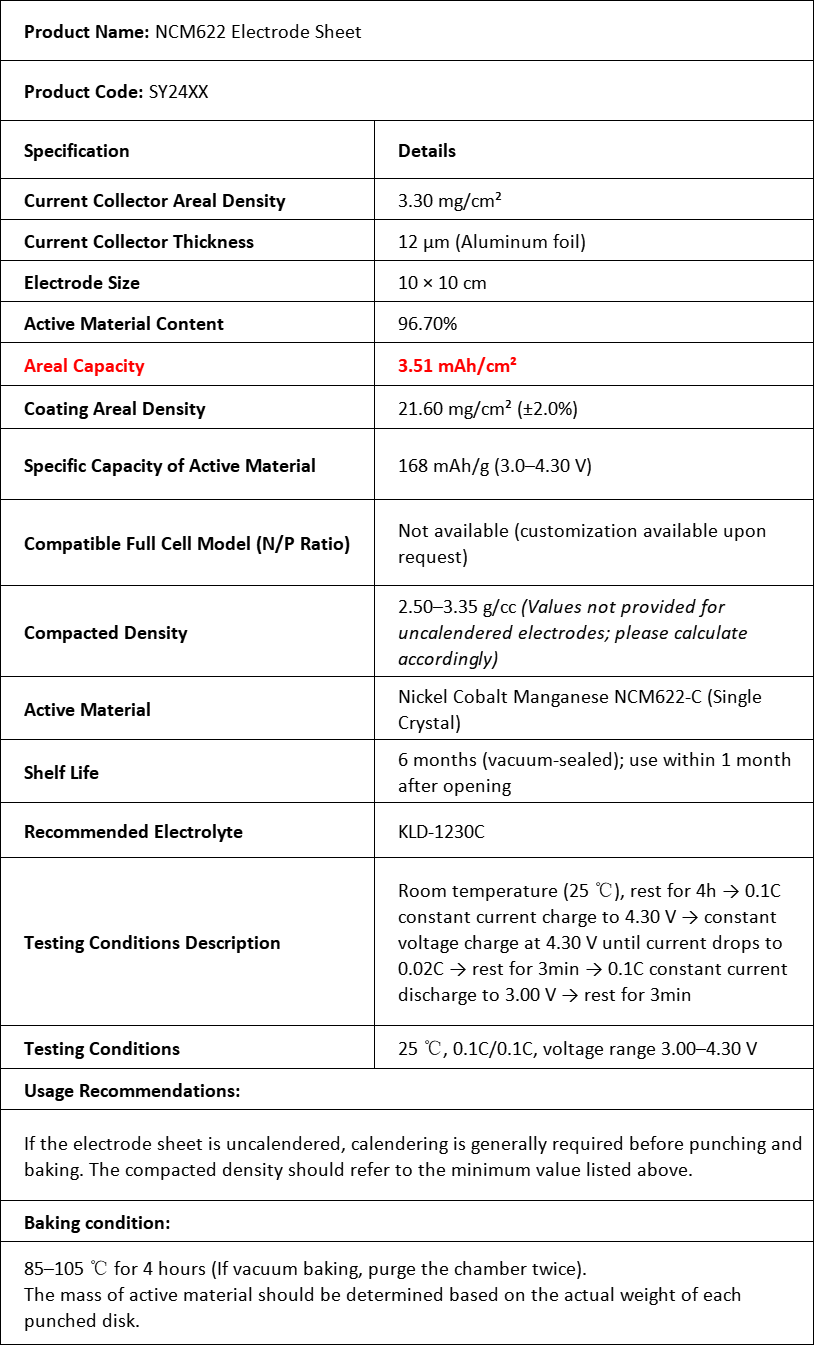
| 4 | NCM622 Electrode | SY24 | — | 168 | 96.70% | 21.60 | 3.51 |
| 5 | NCM523 Electrode | SY15 | NCM523 | 165 | 94.00% | 19.70 | 3.06 |
| 6 | NCM523 Electrode | SY13 | NCM523 | 165 | 94.00% | 10.50 | 1.63 |
| 7 | LCO Electrode | LC02 | High Voltage Lithium Cobalt Oxide-Z-4.45V | 178 | 96.40% | 10.00 | 1.72 |
| 8 | LRM Electrode | FL01 | Lithium-rich Manganese-based-E | 280 | 95.00% | 5.96 | 1.59 |
| 9 | Graphite Electrode | SM02 | Natural Graphite (Standard)-A | 340 | 95.70% | 5.80 | 1.89 |
| 10 | Fast Charging Graphite Electrode | SM04 | Fast Charging Graphite-B | 350 | 96.70% | 5.60 | 1.90 |
| 11 | Silicon Carbon Electrode | SC02 | Silicon Carbon Anode 1800 (Porous Carbon Deposited Silicon) | 420 | 95.00% | 4.80 | 1.92 |
| 12 | NFM Electrode | NT02 | Sodium Nickel Iron Manganese Oxide | 127 | 95.50% | 12.27 | 1.49 |
| 13 | NFM Electrode | NT03 | — | 127 | 95.50% | 8.00 | 0.97 |
| 14 | Hard Carbon Electrode | YT02 | Imported Hard Carbon (5 μm) | 300 | 95.50% | 6.00 | 1.72 |
| 15 | LFP Electrode | LF07 | Lithium Iron Phosphate (High Compaction Density) |
150 | 91.50% | 12.30 | 1.69 |
| 16 | LNMO Electrode | NM01 | High Voltage Lithium Nickel Manganese Oxide-B | 130 | 96.00% | 7.50 | 2.00 |
| 17 | NFPP Electrode | NF01 | Sodium Iron Phosphate Pyrophosphate | 100 | 93.50% | 15.30 | 1.43 |
| 18 | Vanadium Pentoxide Electrode | VO02 | Vanadium Pentoxide | 300 | 80.00% | 5.00 | 1.20 |
| 19 | Manganese Dioxide Electrode | MO02 | Modified Manganese Dioxide (γ-phase) - Long Cycle | 100 | 90.00% | 10.00 | 0.90 |
| 20 | Zinc Negative Electrode | ZA01 | Pure Zinc Powder / Alloy Zinc Powder | / | 70.0%–96.0% | 5.0–15.0 | / |
| 21 | Super capacitor dry process electrode | 6M2302001 | YP50 activated carbon | / | 96.0% | 11.50 | / |
| 22 | Zinc–iodine battery electrode | ZIXX01 | iodine-based active substances | / | / | 20-80 | / |
MOQ for Custom Small Electrode Sheets: 10*10cm/pcs,5cs/pack,1pack
To place an order or request a quotation, please Contact Us.
Storage Conditions (Vacuum storage or double-layered sealing in self-sealing bags within the glove box, especially for high-nickel and sodium-positive electrode materials; improper storage might lead to increased internal resistance in batteries).
Fold Lines: Single-sided cathode sheets tend to curl after rolling, leading to potential fold lines when flattened for packaging.
Materials used in this cathode sheet: Nickel Cobalt Manganese NCM622-C (single crystal). Electrolytes used during testing: 622 cut-off electrolyte; ternary electrolyte (KLD-1230C).
Rolling of cathode sheets required (recommend pressing within the lower range of the suggested compactness for the respective cathode sheets), cathode sheet baking conditions at 105°C for 4 hours, 8 hours of static placement after injection, and post-charge sealing pressure of 1300 psi for the positive electrode cathode sheet after constant current charging at 0.02C.
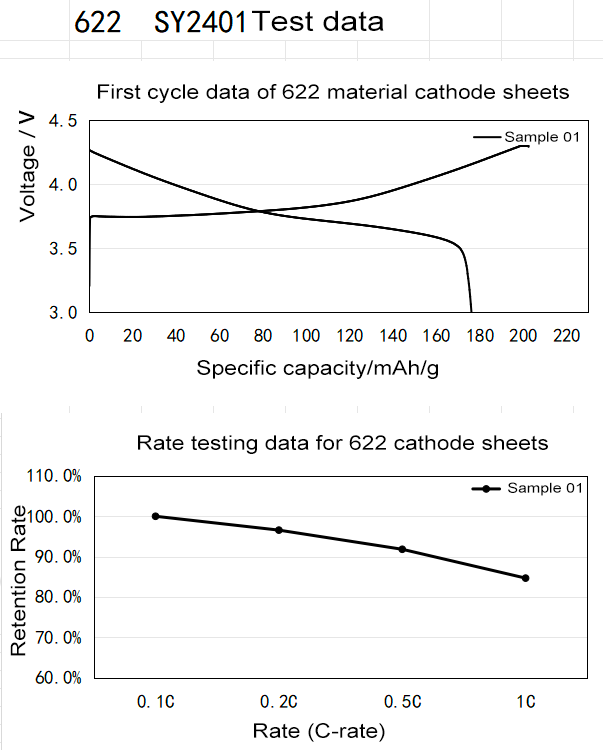
This product must be tested according to Canrd recommended testing methods and electrolytes to achieve the desired performance.
Because testing methods and electrolytes significantly impact battery performance, changing the testing method or electrolyte may degrade electrode performance. Please verify this information before purchasing.
Related Articles
Introduction of Key Technology of Cathode Materials --- Ternary Cathode
Ternary cathode materials: processes and performance.
Häufig gestellte Fragen
Durchsuchen oder durchstöbern Sie häufige Fragen, um schnell Antworten zu finden

Benötigen Sie R&D-Unterstützung?
Entdecken Sie wichtige Produktkategorien und verbinden Sie Batteriematerialien mit Canrds R&D-Services.
Experimentelle Materialien
KategorieKathoden, Anoden, Elektrolyte, Separatoren und weitere Materialien für Batterieforschung.
Kathoden-, Anoden- und Elektrolytmaterialien kaufen →Laborgeräte
KategorieBatterielaborgeräte für Pilotlinien, Vorrichtungen und Testabläufe.
Batterielaborgeräte ansehen →Elektroden und Zellen
KategorieKundenspezifische Elektroden, Trockenzellen und Zellkomponenten für R&D-Validierung.
Kundenspezifische Batterieelektroden und Zellen ansehen →Natrium-Elektrolyt
KategorieNatrium-Ionen-Elektrolyte für Natriumbatterieforschung und Validierung.
Natrium-Batterieelektrolyte kaufen →R&D-Services
ServiceGanzheitliche Batterie-R&D-Services von Materialbewertung bis Zellfertigung und Fehleranalyse.
Canrd R&D-Services entdecken →Materialbewertung
ServiceCharakterisierung, elektrochemische Tests und Kompatibilitätsbewertung für Batteriematerialien.
Batteriematerialien bewerten lassen →Elektrodenfertigung
ServiceKundenspezifische Elektrodenblätter und -rollen für Ihre Zielchemie und Prozessanforderungen.
Elektrodenfertigung anfragen →Zellfertigung
ServiceTrockenzellen, montierte Zellen und kundenspezifische Zellformate für R&D-Validierung.
Kundenspezifische Forschungszellen bauen →Kontakt
SeiteCanrd kann Produkte, Materialien und Services passend zu Ihrem Projekt kombinieren.
Produkt- und R&D-Support erhalten →
