

 contact@canrd.com
 +86 18928276992
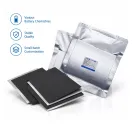
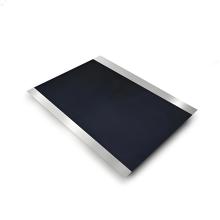
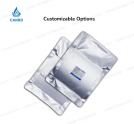
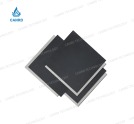
Details
| Canrd | 10*10cm | 5 sheets/pack | Coating | ||||
| NO. | Electrode Name | Model | Main Material | Active Material Capacity (mAh/g) | Loading | Areal Density (mg/cm²) | Areal Capacity (mAh/cm²) |
| 1 | NCM811 Electrode | SY33 | NCM811 Single Crystal | 188 | 94.50% | 9.20 | 1.63 |
| 2 | NCM811 Electrode | SY34 | — | 188 | 94.50% | 21.50 | 3.82 |
| 3 | NCM622 Electrode | SY25 | NCM622 Single Crystal-B | 168 | 96.70% | 10.00 | 1.62 |
| 4 | NCM622 Electrode | SY24 | — | 168 | 96.70% | 21.60 | 3.51 |
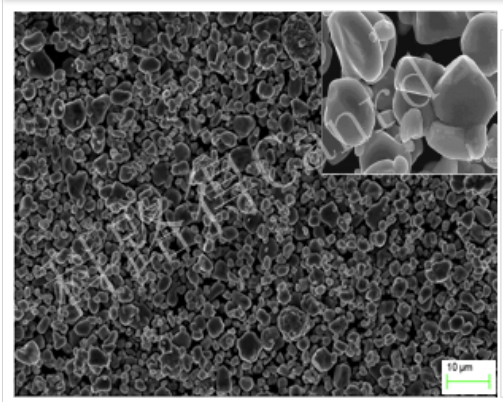
| 5 | NCM523 Electrode | SY15 | NCM523 | 165 | 94.00% | 19.70 | 3.06 |
| 6 | NCM523 Electrode | SY13 | NCM523 | 165 | 94.00% | 10.50 | 1.63 |
| 7 | LCO Electrode | LC02 | High Voltage Lithium Cobalt Oxide-Z-4.45V | 178 | 96.40% | 10.00 | 1.72 |
| 8 | LRM Electrode | FL01 | Lithium-rich Manganese-based-E | 280 | 95.00% | 5.96 | 1.59 |
| 9 | Graphite Electrode | SM02 | Natural Graphite (Standard)-A | 340 | 95.70% | 5.80 | 1.89 |
| 10 | Fast Charging Graphite Electrode | SM04 | Fast Charging Graphite-B | 350 | 96.70% | 5.60 | 1.90 |
| 11 | Silicon Carbon Electrode | SC02 | Silicon Carbon Anode 1800 (Porous Carbon Deposited Silicon) | 420 | 95.00% | 4.80 | 1.92 |
| 12 | NFM Electrode | NT02 | Sodium Nickel Iron Manganese Oxide | 127 | 95.50% | 12.27 | 1.49 |
| 13 | NFM Electrode | NT03 | — | 127 | 95.50% | 8.00 | 0.97 |
| 14 | Hard Carbon Electrode | YT02 | Imported Hard Carbon (5 μm) | 300 | 95.50% | 6.00 | 1.72 |
| 15 | LFP Electrode | LF07 | Lithium Iron Phosphate (High Compaction Density) |
150 | 91.50% | 12.30 | 1.69 |
| 16 | LNMO Electrode | NM01 | High Voltage Lithium Nickel Manganese Oxide-B | 130 | 96.00% | 7.50 | 2.00 |
| 17 | NFPP Electrode | NF01 | Sodium Iron Phosphate Pyrophosphate | 100 | 93.50% | 15.30 | 1.43 |
| 18 | Vanadium Pentoxide Electrode | VO02 | Vanadium Pentoxide | 300 | 80.00% | 5.00 | 1.20 |
| 19 | Manganese Dioxide Electrode | MO02 | Modified Manganese Dioxide (γ-phase) - Long Cycle | 100 | 90.00% | 10.00 | 0.90 |
| 20 | Zinc Negative Electrode | ZA01 | Pure Zinc Powder / Alloy Zinc Powder | / | 70.0%–96.0% | 5.0–15.0 | / |
| 21 | Super capacitor dry process electrode | 6M2302001 | YP50 activated carbon | / | 96.0% | 11.50 | / |
| 22 | Zinc–iodine battery electrode | ZIXX01 | iodine-based active substances | / | / | 20-80 | / |
MOQ for Custom Small Electrode Sheets: 10*10cm/pcs,5cs/pack,1pack
To place an order or request a quotation, please Contact Us.
Rolling can increase the compaction density of the electrode, improve the electronic conductivity of the electrode, and enhance adhesion
1. The surface density needs to be determined based on the actual weighing results
2. Before placing it in the glove box, the punched polarizer needs to be vacuum baked at 105 ℃ for 4 hours
3. The surface density of the coating does not include the current collector;
4. Theoretical surface capacity mAh/cm2=coating surface density mg/cm2 * active material ratio * gram capacity mAh/g ÷ 1000
5. Theoretical amount of active substance (mg)=coating surface density mg/cm2 * active substance ratio * small disc area cm2
6. The actual amount of active substance calculated by weighing (mg)=(weight of small disc mg - current collector surface density mg/cm2 * area of small disc cm2) * proportion of active substance
7. When calculating the gram capacity, the actual amount of active substance weighed shall be used. Due to the tolerance of the coating surface density, the actual weight shall prevail
8. This pole piece can be matched with our SM02XX, LT01XX, SC01XX negative pole pieces for use
This product must be tested in accordance with the test methods and electrolytes recommended by
Canrd to achieve the corresponding performance.Since the test method and electrolyte have a great
influence on the performance of the battery, any change in the test method or electrolyte may reduce
the performance of the pole piece; be sure to check this information before purchasing.
Customized (5 Pcs / Pack): Please Quote.
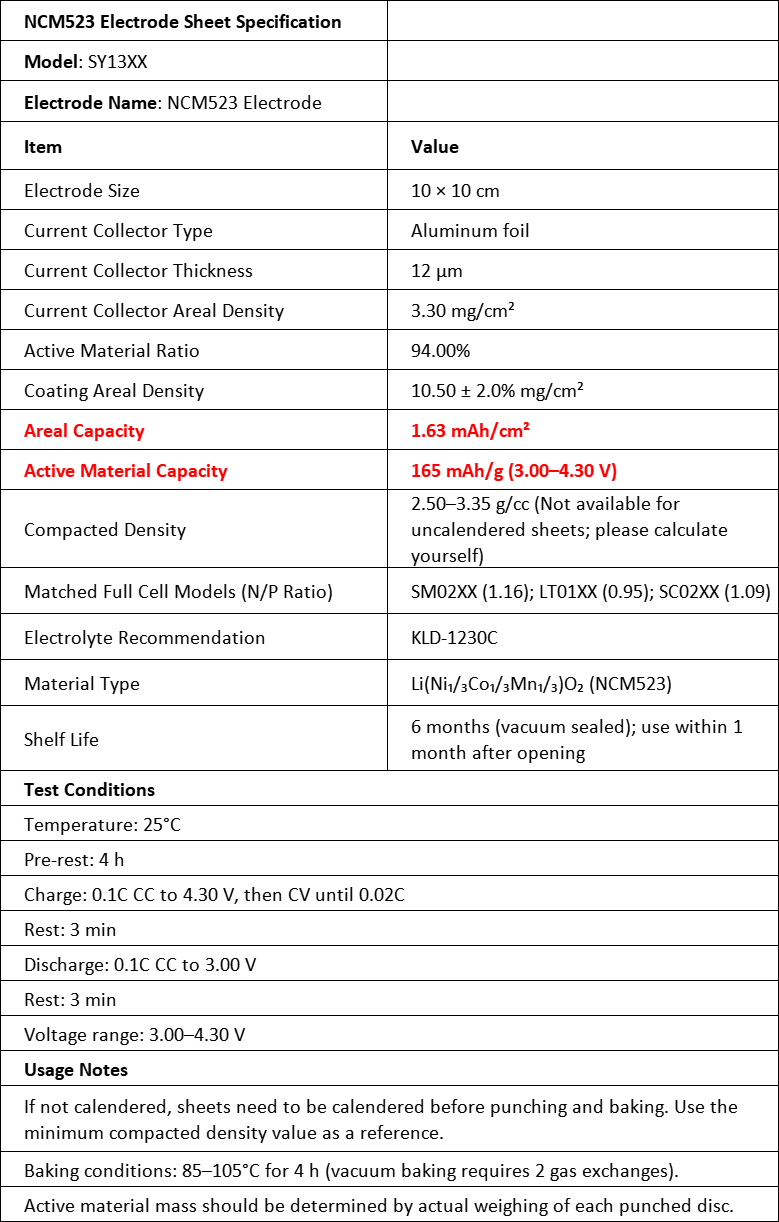
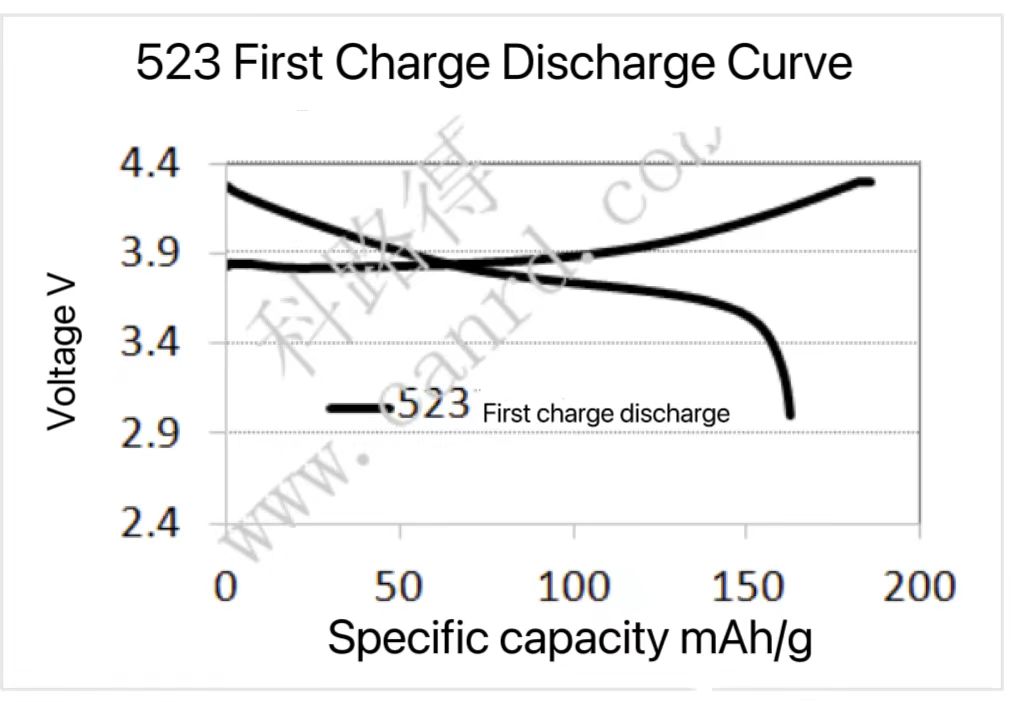
First charge and discharge test conditions: temperature 25 ℃, first charge at a constant current of 0.1C to 4.3V, then charge at a constant voltage until the current is less than 0.02C, and then discharge at a constant current of 0.1C to 3.0V
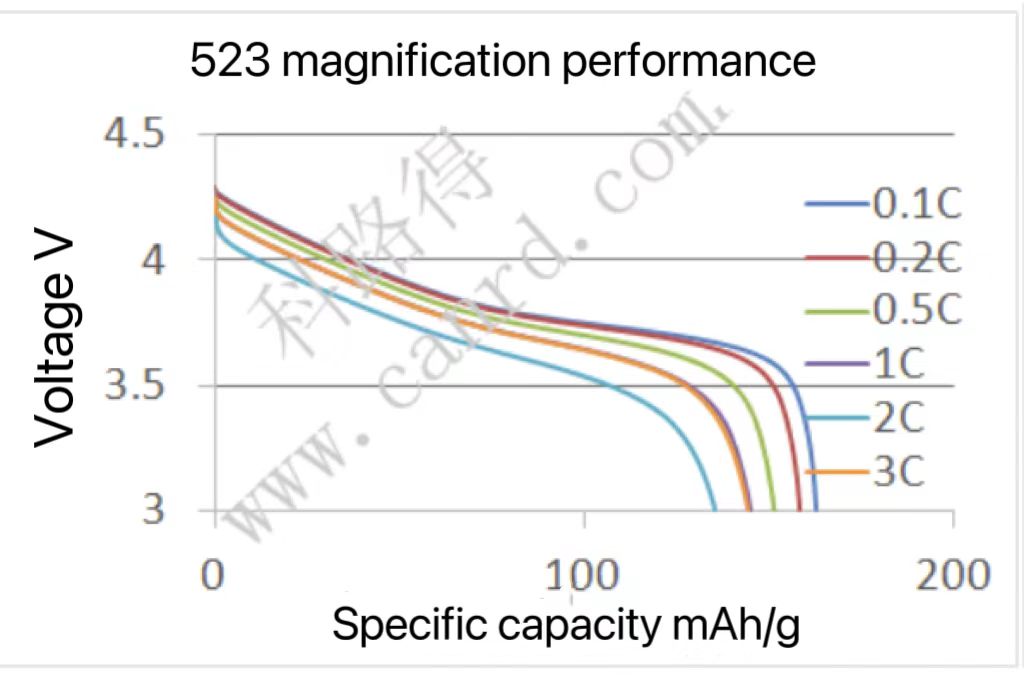
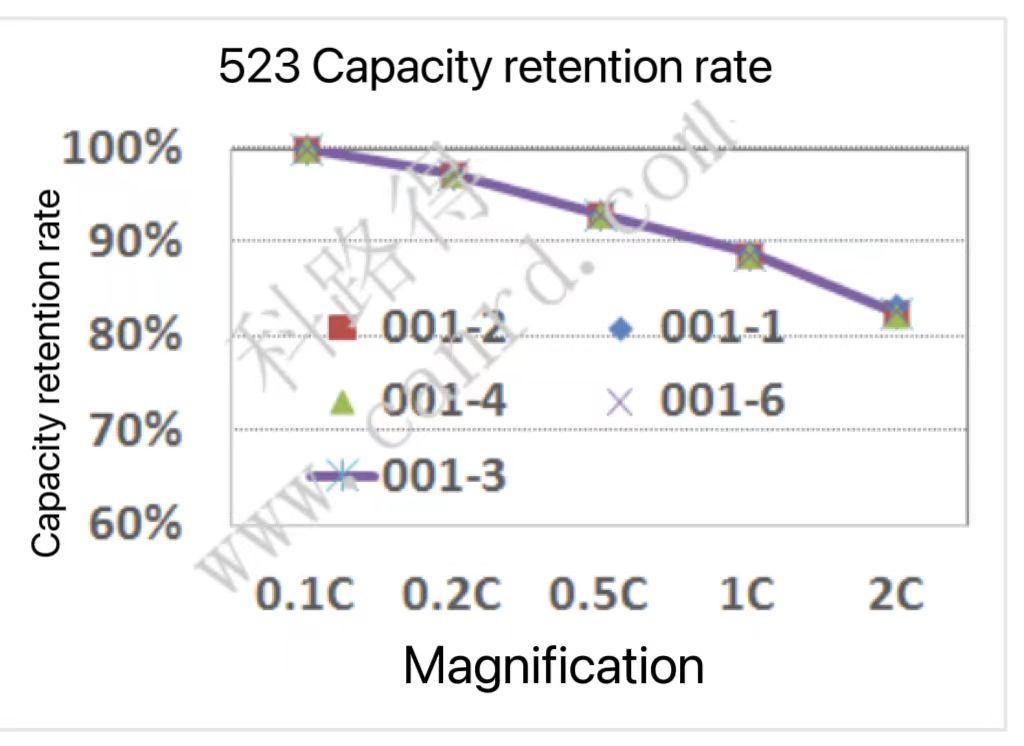
Rate test conditions: Temperature of 25 ℃, first charge at a constant current of 0.5C to 4.3V, then charge at a constant voltage until the current is less than 0.02C, and then discharge at a constant current rate of 0.1C/0.2C/0.5C/1C/2C/3C to 3.0V
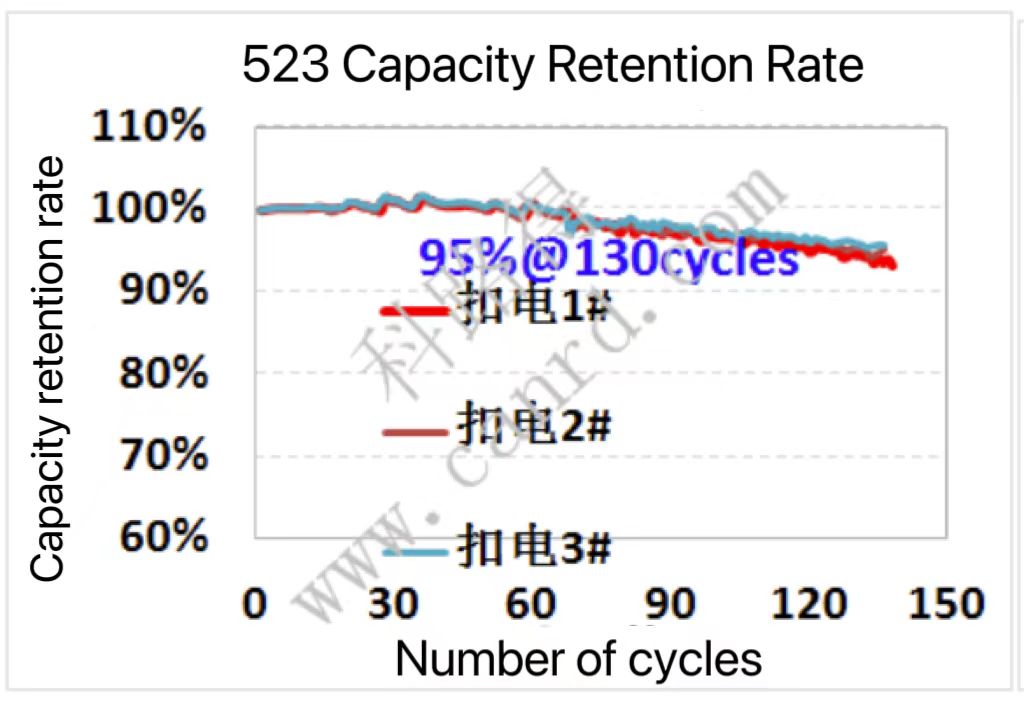
Cycle test conditions: temperature 25 ℃, first charge at 0.5C constant current to 4.3V, then charge at constant voltage until the current is less than 0.02C, and then discharge at 1C constant current to 3.0V
Häufig gestellte Fragen
Durchsuchen oder durchstöbern Sie häufige Fragen, um schnell Antworten zu finden

Benötigen Sie R&D-Unterstützung?
Entdecken Sie wichtige Produktkategorien und verbinden Sie Batteriematerialien mit Canrds R&D-Services.
Experimentelle Materialien
KategorieKathoden, Anoden, Elektrolyte, Separatoren und weitere Materialien für Batterieforschung.
Kathoden-, Anoden- und Elektrolytmaterialien kaufen →Laborgeräte
KategorieBatterielaborgeräte für Pilotlinien, Vorrichtungen und Testabläufe.
Batterielaborgeräte ansehen →Elektroden und Zellen
KategorieKundenspezifische Elektroden, Trockenzellen und Zellkomponenten für R&D-Validierung.
Kundenspezifische Batterieelektroden und Zellen ansehen →Natrium-Elektrolyt
KategorieNatrium-Ionen-Elektrolyte für Natriumbatterieforschung und Validierung.
Natrium-Batterieelektrolyte kaufen →R&D-Services
ServiceGanzheitliche Batterie-R&D-Services von Materialbewertung bis Zellfertigung und Fehleranalyse.
Canrd R&D-Services entdecken →Materialbewertung
ServiceCharakterisierung, elektrochemische Tests und Kompatibilitätsbewertung für Batteriematerialien.
Batteriematerialien bewerten lassen →Elektrodenfertigung
ServiceKundenspezifische Elektrodenblätter und -rollen für Ihre Zielchemie und Prozessanforderungen.
Elektrodenfertigung anfragen →Zellfertigung
ServiceTrockenzellen, montierte Zellen und kundenspezifische Zellformate für R&D-Validierung.
Kundenspezifische Forschungszellen bauen →Kontakt
SeiteCanrd kann Produkte, Materialien und Services passend zu Ihrem Projekt kombinieren.
Produkt- und R&D-Support erhalten →
