

 contact@canrd.com

 +86 18928276992

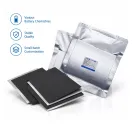
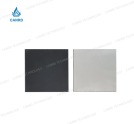

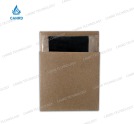
Details
| Canrd | 10*10cm | 5 sheets/pack | Coating | ||||
| NO. | Electrode Name | Model | Main Material | Active Material Capacity (mAh/g) | Loading | Areal Density (mg/cm²) | Areal Capacity (mAh/cm²) |
| 1 | NCA Electrode | SY51 | NCA-S (Nickel Cobalt Aluminum Oxide) | 195 | 94.50% | 17.66 | 3.25 |
| 2 | Ni90 Electrode | SY41 | Ni90 Single Crystal NCM | 195 | 94.50% | 9.50 | 1.75 |
| 3 | NCM811 Electrode | SY33 | NCM811 Single Crystal | 188 | 94.50% | 9.20 | 1.63 |
| 4 | NCM811 Electrode | SY34 | — | 188 | 94.50% | 21.50 | 3.82 |
| 5 | NCM622 Electrode | SY25 | NCM622 Single Crystal-B | 168 | 96.70% | 10.00 | 1.62 |
| 6 | NCM622 Electrode | SY24 | — | 168 | 96.70% | 21.60 | 3.51 |
| 7 | NCM523 Electrode | SY15 | NCM523 | 165 | 94.00% | 19.70 | 3.06 |
| 8 | NCM523 Electrode | SY13 | NCM523 | 165 | 94.00% | 10.50 | 1.63 |
| 9 | LCO Electrode | LC02 | High Voltage Lithium Cobalt Oxide-Z-4.45V | 178 | 96.40% | 10.00 | 1.72 |
| 10 | LRM Electrode | FL01 | Lithium-rich Manganese-based-E | 280 | 95.00% | 5.96 | 1.59 |
| 11 | Graphite Electrode | SM02 | Natural Graphite (Standard)-A | 340 | 95.70% | 5.80 | 1.89 |
| 12 | Fast Charging Graphite Electrode | SM04 | Fast Charging Graphite-B | 350 | 96.70% | 5.60 | 1.90 |
| 13 | Silicon Carbon Electrode | SC02 | Silicon Carbon Anode 1800 (Porous Carbon Deposited Silicon) | 420 | 95.00% | 4.80 | 1.92 |
| 14 | NFM Electrode | NT02 | Sodium Nickel Iron Manganese Oxide | 127 | 95.50% | 12.27 | 1.49 |
| 15 | NFM Electrode | NT03 | — | 127 | 95.50% | 8.00 | 0.97 |
| 16 | Hard Carbon Electrode | YT02 | Imported Hard Carbon (5 μm) | 300 | 95.50% | 6.00 | 1.72 |
| 17 | LFP Electrode | LF07 | Lithium Iron Phosphate (High Compaction Density) |
150 | 91.50% | 12.30 | 1.69 |
| 18 | LNMO Electrode | NM01 | High Voltage Lithium Nickel Manganese Oxide-B | 130 | 96.00% | 7.50 | 2.00 |
| 19 | NFPP Electrode | NF01 | Sodium Iron Phosphate Pyrophosphate | 100 | 93.50% | 15.30 | 1.43 |
| 20 | Vanadium Pentoxide Electrode | VO02 | Vanadium Pentoxide | 300 | 80.00% | 5.00 | 1.20 |
| 21 | Manganese Dioxide Electrode | MO01 | Manganese-based or Vanadium-based Material | 100 | 80.00% | 5.00 | / |
| 22 | Zinc Negative Electrode | ZA01 | Pure Zinc Powder / Alloy Zinc Powder | / | 70.0%–96.0% | 5.0–15.0 | / |
MOQ for Custom Small Electrode Sheets: 10*10cm/pcs,5cs/pack,1pack
To place an order or request a quotation, please Contact Us.
Half-cell Testing
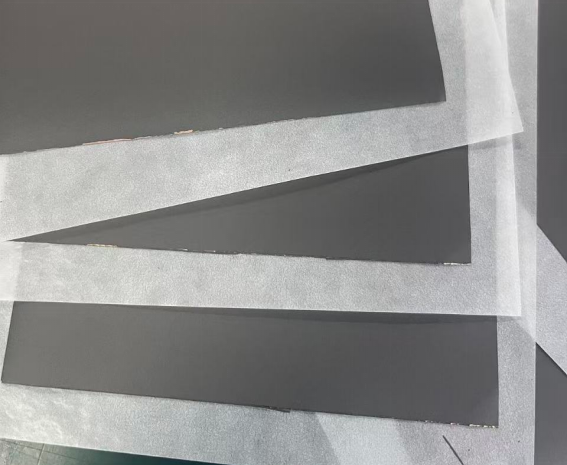
During electrode‑sheet slitting, slight material loss occurs at the edges, as shown in the figure below.
Cutting recommendations:
1. When punching, position the foil side toward the die edge and keep the coated side away from it;
2. Use a punch with a sharp blade;
3. If the punch blade is dull, try placing a sheet of weighing paper underneath during punching.
| Current Collector Areal Density (mg/cm2) | 7.35 |
| Electrode Sheet Size | 10*10 |
| Current Collector Thickness (um) | 8(Smooth Copper Foil) |
| Active Material Ratio | 96.7% |
| Compatible Full-Cell Electrode Models (N/P Ratio) | SY13(1.16);SY25(1.17);SY33(1.16);LF06(1.12);LC02(1.10);FL01(1.20) |
| Compacted Density(g/cc) | 1.10-1.50(Compacted density is not provided for uncalendered electrode sheets, please calculate independently) |
| Active Material | Fast-Charging Graphite-B |
| Current Collector Type | Copper Foil |
| Shelf Life | 6 months (stored under vacuum-sealed conditions), use within one month after opening. |
| Recommended Electrolyte | KLD-1230C |
| Electrode Sheet Name | Lithium-ion Battery Anode Electrode Sheet (Gr Fast-Charging Graphite Anode SM04) |
| Electrode Sheet No. | SM04XX |
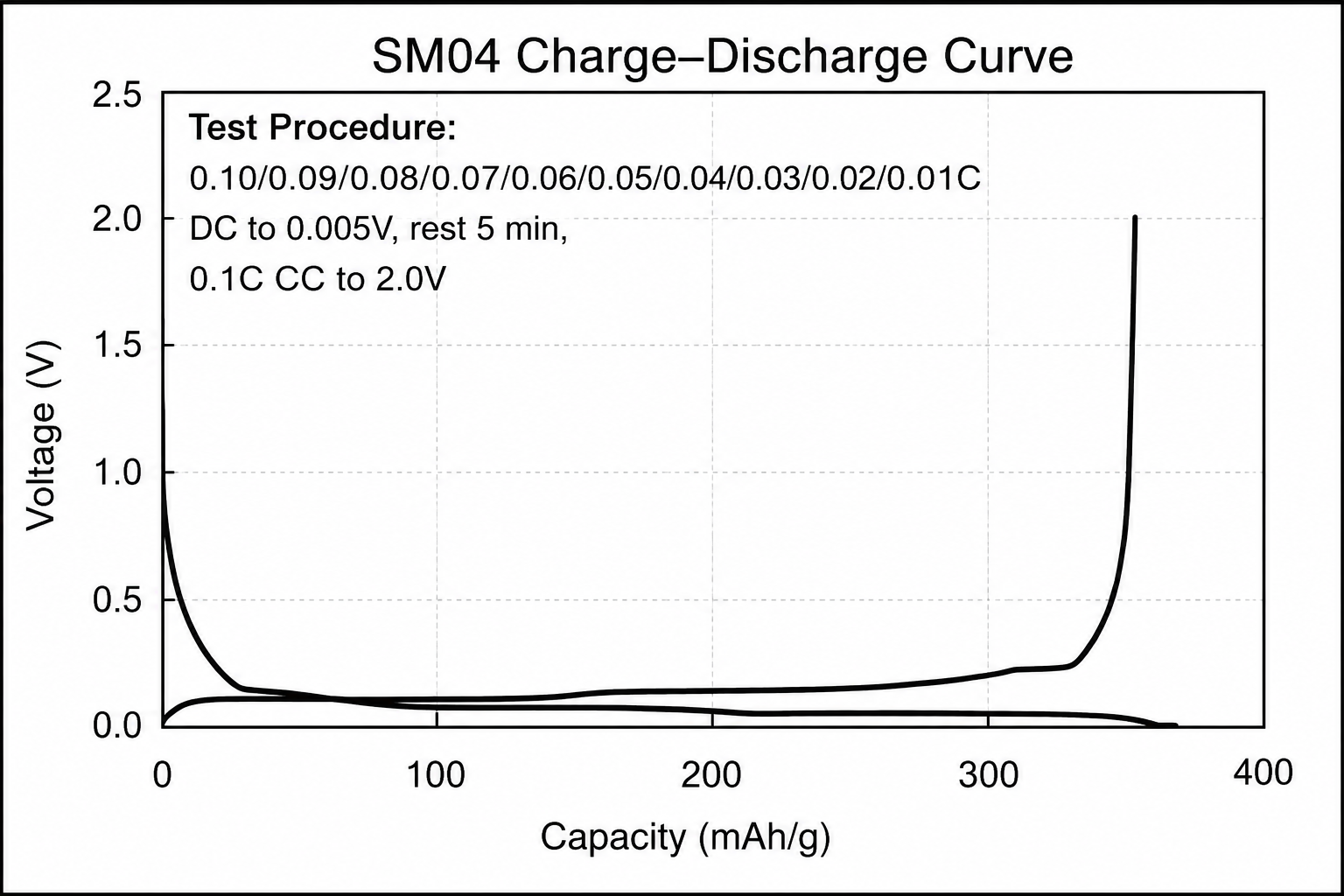
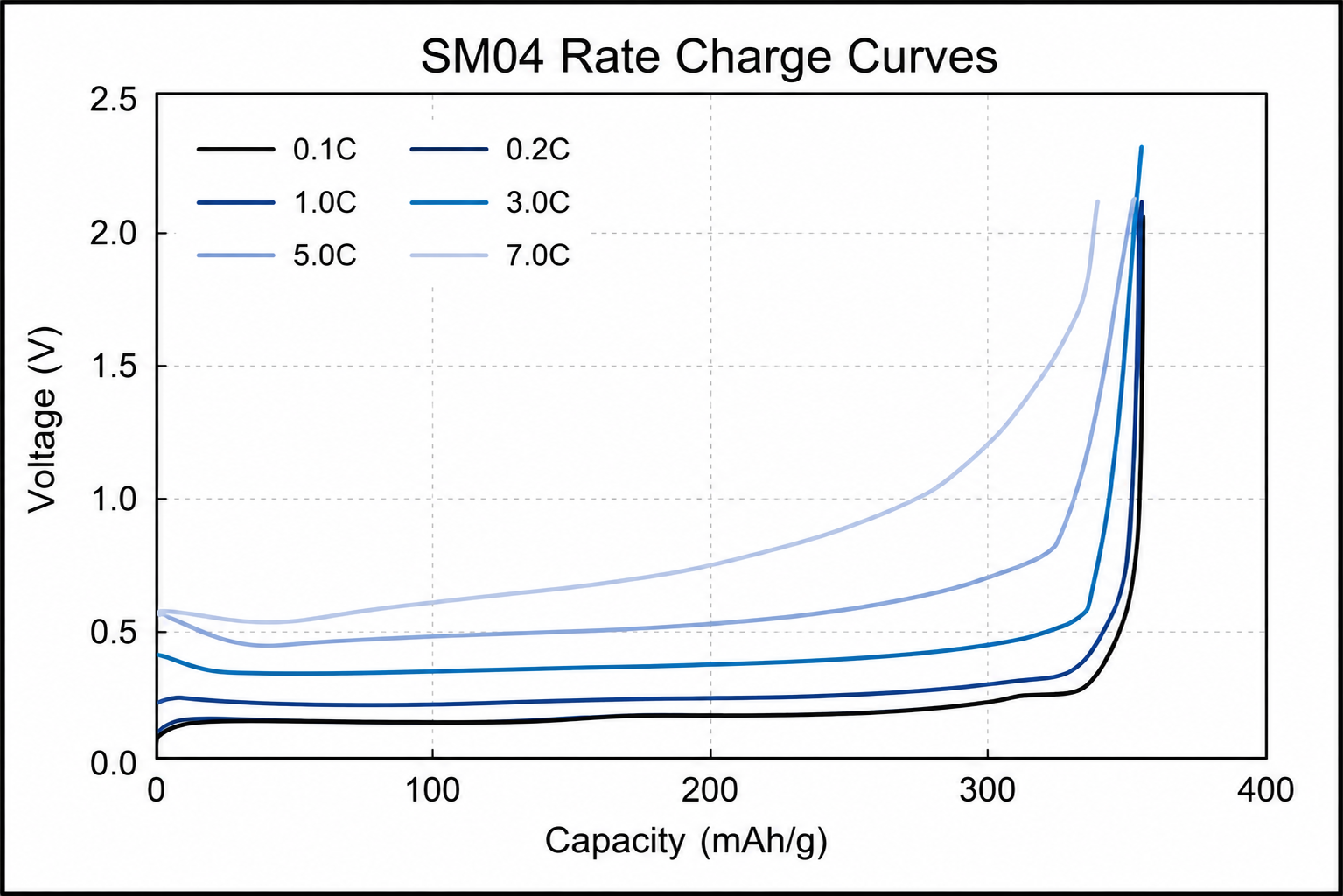
| Active Material Specific Capacity (mAh/g) | 350(0.005-2.00V) |
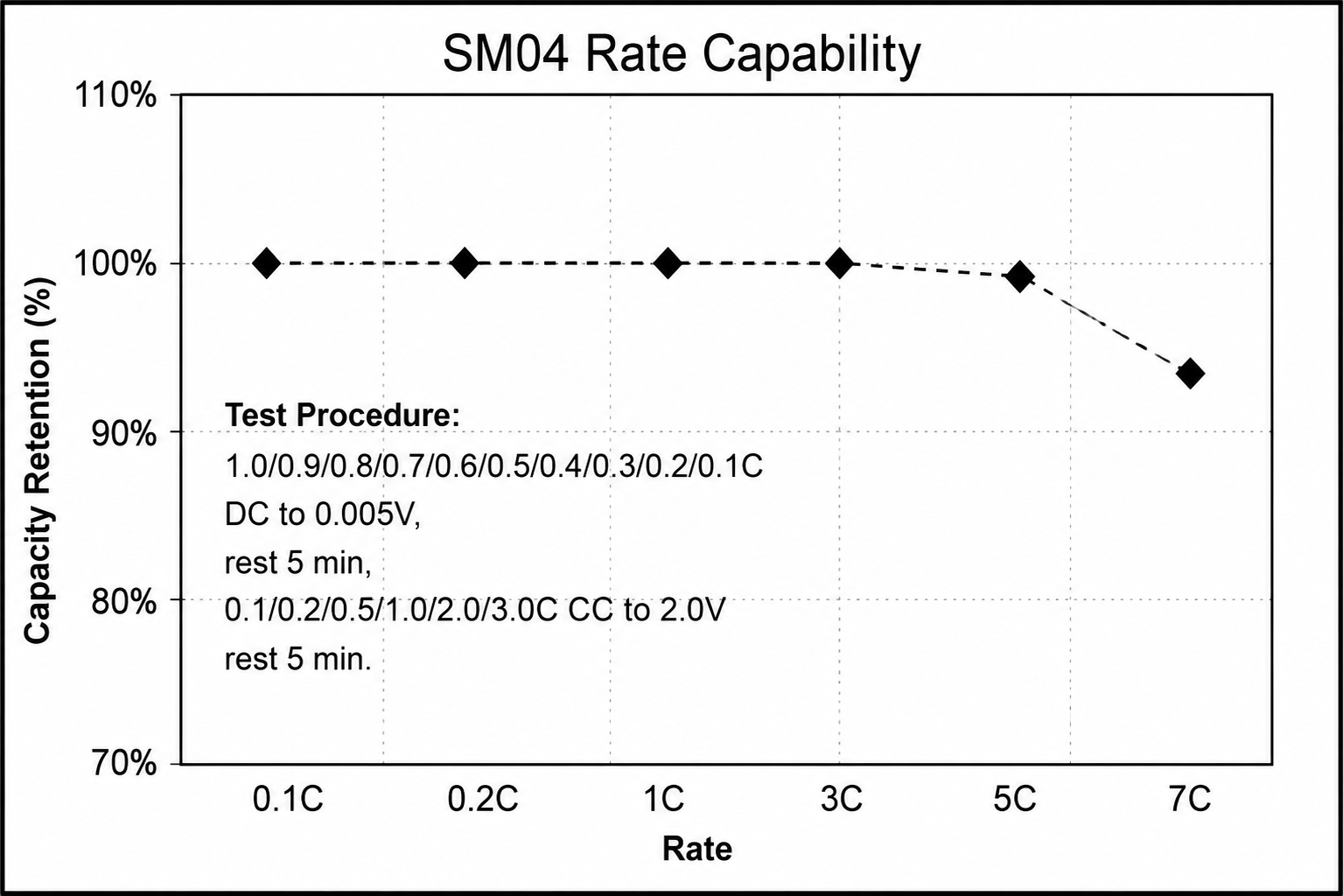
| Test Condition Description | At 25°C, rest for 4 h, discharge at constant current rates of 0.10C, 0.09C, 0.08C, 0.07C, 0.06C, 0.05C, 0.04C, 0.03C, 0.02C, and 0.01C to 0.005 V, respectively. Rest for 3 min, then charge at a constant current rate of 0.1C to 2.00 V, followed by a 3 min rest |
| Test Conditions | 25°C, 0.10/0.09/0.08/0.07/0.06/0.05/0.04/0.03/0.02/0.01C DC to 0.005 V, 0.1C CC to 2.00 V |
| Areal Capacity (mAh/cm2) | 1.90 |
| Coating Areal Loading (mg/cm2) | 5.60(Tolerance: ±2.0%) |
| Usage Recommendations | 1. If the electrode sheet has not been calendered, it is generally recommended to perform calendering before punching and drying. (The compacted density can refer to the minimum value listed in the “Compacted Density” section of this table.) 2. Drying condition: 85–105°C for 4 h (for vacuum drying, perform two gas exchanges during drying). 3. The active material mass should be determined based on the actual weight of each punched electrode disc. |
Packaging, Transportation & Storage:
1. Vacuum preservation or glove box storage is recommended. Use self-sealing bags with two-layer packaging. This is especially important for high-nickel and sodium-ion electrode materials, as improper storage may cause increased internal resistance of the battery cell.
2. For uncalendered electrode sheets, calendering should be performed according to the recommended compacted density before further processing.
3. The coating areal loading should be determined based on the actual weighing results. The coating areal loading does not include the current collector mass.
4. Actual active material mass (mg) = (Weight of punched electrode disc (mg) − Current collector areal density (mg/cm²) × Area of punched electrode disc (cm²)) × Active material ratio
5. Theoretical active material mass (mg) = Coating areal loading (mg/cm²) × Active material ratio × Electrode disc area (cm²)
6. Theoretical areal capacity (mAh/cm²) = Coating areal loading (mg/cm²) × Active material ratio × Specific capacity (mAh/g) ÷ 1000
7. The capacity calculation should be based on the actual active material mass calculated from the actual weight measurement. Due to coating areal loading tolerances, the actual measured weight should be used as the reference.
8. Folding: Single-sided electrode sheets are more prone to curling after calendering. Improper packaging may cause folding or deformation.
Benötigen Sie R&D-Unterstützung?
Entdecken Sie wichtige Produktkategorien und verbinden Sie Batteriematerialien mit Canrds R&D-Services.
Experimentelle Materialien
KategorieKathoden, Anoden, Elektrolyte, Separatoren und weitere Materialien für Batterieforschung.
Kathoden-, Anoden- und Elektrolytmaterialien kaufen →Laborgeräte
KategorieBatterielaborgeräte für Pilotlinien, Vorrichtungen und Testabläufe.
Batterielaborgeräte ansehen →Elektroden und Zellen
KategorieKundenspezifische Elektroden, Trockenzellen und Zellkomponenten für R&D-Validierung.
Kundenspezifische Batterieelektroden und Zellen ansehen →Natrium-Elektrolyt
KategorieNatrium-Ionen-Elektrolyte für Natriumbatterieforschung und Validierung.
Natrium-Batterieelektrolyte kaufen →R&D-Services
ServiceGanzheitliche Batterie-R&D-Services von Materialbewertung bis Zellfertigung und Fehleranalyse.
Canrd R&D-Services entdecken →Materialbewertung
ServiceCharakterisierung, elektrochemische Tests und Kompatibilitätsbewertung für Batteriematerialien.
Batteriematerialien bewerten lassen →Elektrodenfertigung
ServiceKundenspezifische Elektrodenblätter und -rollen für Ihre Zielchemie und Prozessanforderungen.
Elektrodenfertigung anfragen →Zellfertigung
ServiceTrockenzellen, montierte Zellen und kundenspezifische Zellformate für R&D-Validierung.
Kundenspezifische Forschungszellen bauen →Kontakt
SeiteCanrd kann Produkte, Materialien und Services passend zu Ihrem Projekt kombinieren.
Produkt- und R&D-Support erhalten →
