

 contact@canrd.com
 +86 18928276992
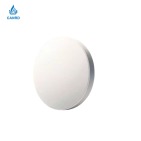
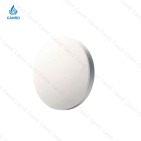
Details
is suitable for CR2032 buckle power test
1. size: the diameter of this electrolyte sheet is ± 0.2mm, which does not affect the assembly of buckle battery. users with high precision requirements should be careful when the mold is used (for example, it is used in a fixed-size mold).
2. Process: This product is a ceramic sheet, not a simple powder compact.
3. Stability: This product is stable to air moisture and can be used in regular environments.
4. the electrolyte sheet has high hardness but high brittleness. pay attention to the size and uniformity of the applied pressure when using it. compare the method of testing the assembly and buckling electricity. do not roll the sheet. the lithium metal negative electrode generally uses molten lithium or lithium sheet to melt the contact surface with the electrolyte sheet.
5. test ionic conductivity: this product has been polished evenly, but it still needs simple polishing before use. 2000 mesh sandpaper with millimeter thickness can be used after polishing to a smooth surface, and 100 micron grade can be slightly polished with flocked gauze. Then spray gold on both sides to protect the side from spraying gold. Use a multimeter to test the resistance between two points on the same side between 1 ~ 10Ω, then spray gold successfully. The electrolyte sheet successfully sprayed with gold was clamped on both sides with a buckling test clip for EIS test.
6. Assembled button battery: suitable for CR2032 button battery case. The assembly structure is the same as that of the regular liquid buckle. The sealing pressure of the battery needs to be adjusted by itself, and the pressure is slowly applied to the edge of the buckle shell. The pressure used is less than that of the liquid regular buckle. (For reference only)
Please consult customer service for detailed quotation (delivery time is two weeks). No returns or exchanges unless there is a product quality issue.
Customized for anti-shooting price
Oxide solid electrolyte sheet, stable in air, commonly used for assembling button batteries or other structural equipment. Used in all-solid lithium batteries, advanced lithium-sulfur batteries, lithium-air batteries, lithium-water batteries, etc.

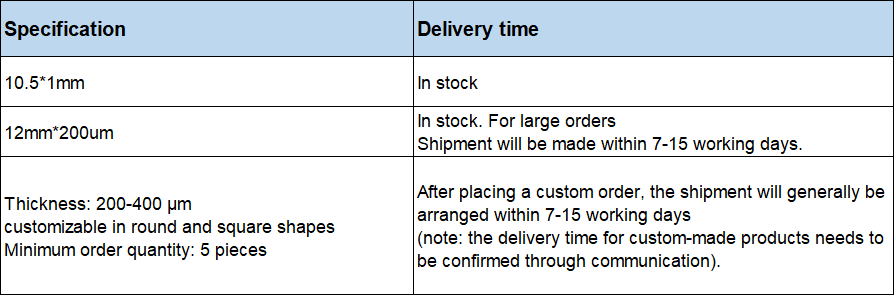
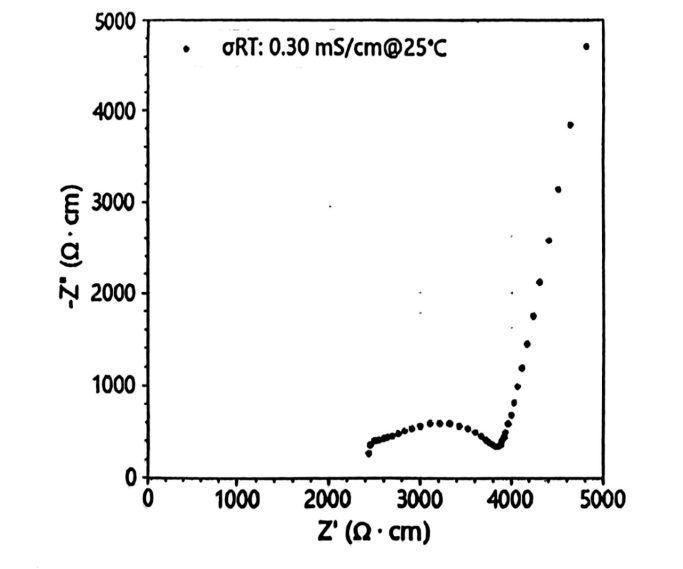
Ionic conductivity: 0.3 mS/cm(25 ℃)
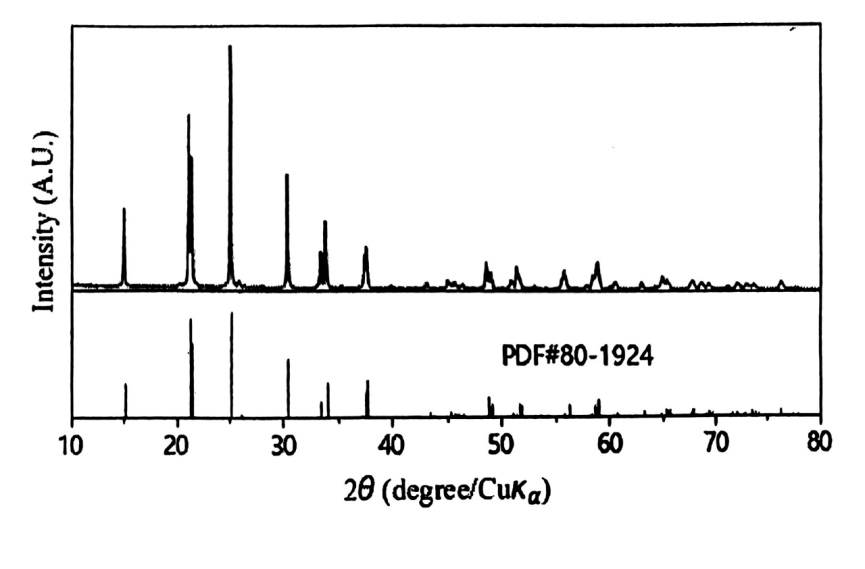
XRD:
EIS diagram:
Keep sealed, store in a cool, dry and ventilated place, avoid moisture, and the shelf life is 1 year;
Customized quotation detailed consultation customer service (delivery period of two weeks), non-product quality problems, no return
Need R&D Support?
Browse key product categories and connect battery materials with Canrd's R&D services for testing, fabrication, and project support.
Experimental Materials
CategoryCathode, anode, electrolyte, separator, and other materials for battery research.
Shop cathode, anode & electrolyte materials →Lab Equipment
CategoryBattery lab equipment for pilot lines, fixtures, and testing workflows.
Browse battery lab equipment →Electrodes & Cells
CategoryCustom electrodes, dry cells, and battery cell components for R&D validation.
View custom battery electrodes & cells →Sodium Electrolyte
CategorySodium-ion electrolyte options for sodium battery research and validation.
Shop sodium battery electrolytes →R&D Services
ServiceFull-chain battery R&D services from material evaluation to cell fabrication and failure analysis.
Explore Canrd R&D services →Material Evaluation
ServiceCharacterization, electrochemical testing, and compatibility evaluation for battery materials.
Evaluate your battery materials →Electrode Fabrication
ServiceCustom electrode sheets and rolls based on your target chemistry and process needs.
Request electrode fabrication →Cell Fabrication
ServiceDry cells, assembled cells, and custom-format cell builds for R&D validation.
Build custom research cells →Contact
PageAsk Canrd to match products, materials, and services for your project.
Get product and R&D support →