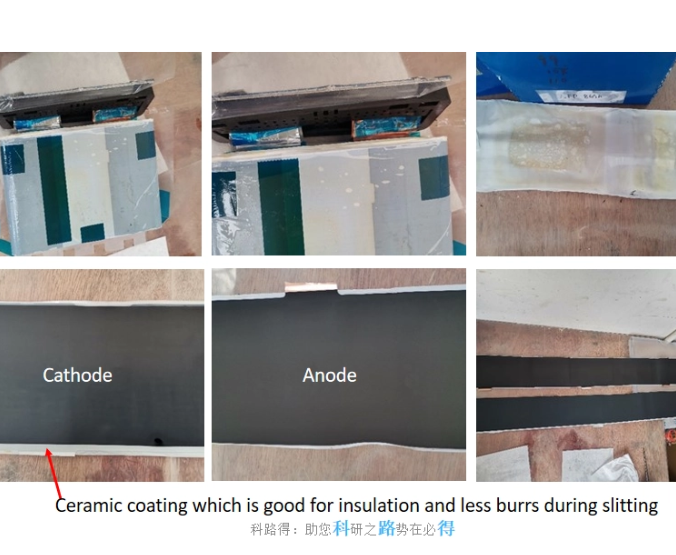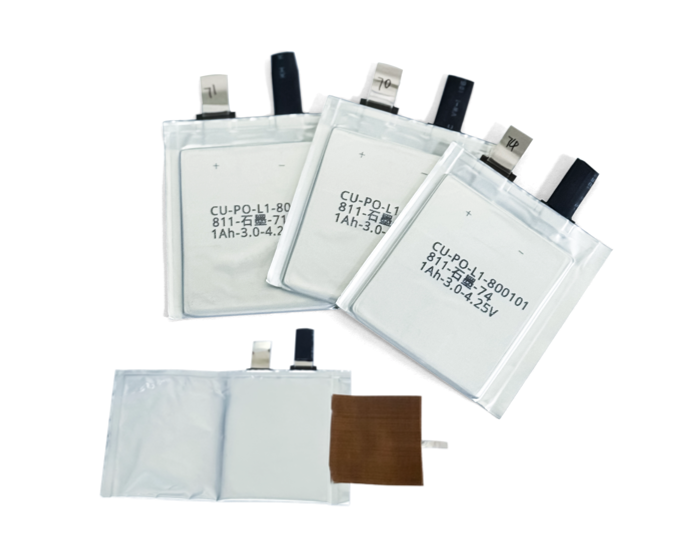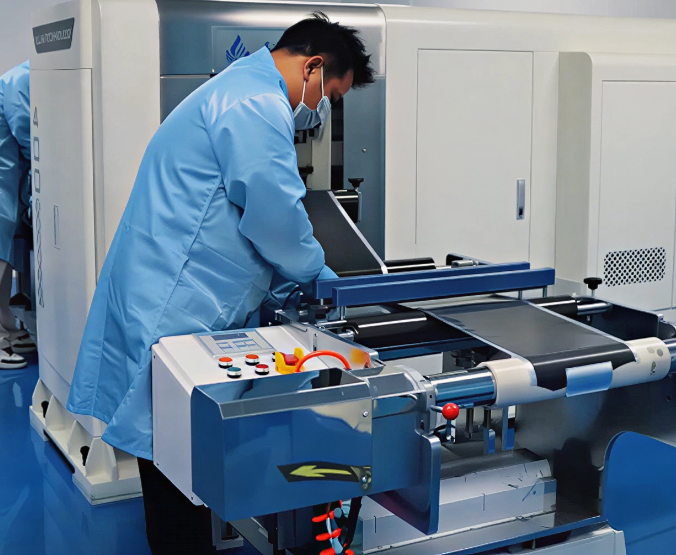




Root Cause Investigation
Perform reverse analysis of batteries or modules to understand design, material composition, and manufacturing processes. This supports benchmarking, quality control, and optimization of new battery designs or energy storage systems, ensuring long-term performance and safety.
Our Services
Item
| Analysis Area | Main Analysis Methods |
| Non-destructive Internal Structure Analysis | X-ray CT |
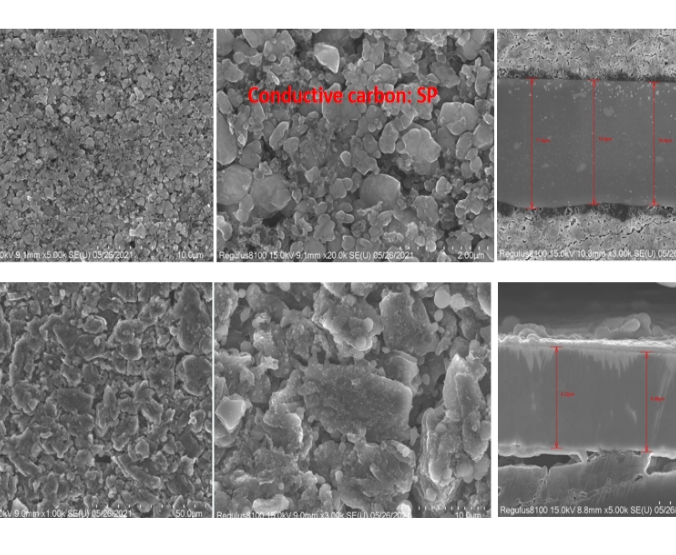
| Positive/Negative Active Materials | Material Morphology: SEM, TEM, Cross-section SEMMaterial Type & Element Distribution / Composition: XRF, SEM-EDX, ICP-AES, EPMAComposition Distribution: TOF-SIMSCrystal Structure, Lattice Constant: XRDChemical State of Li Element: ⁶Li, ⁷Li-NMRPhysical/Chemical Indicators: Particle Size Analyzer, Specific Surface Area Analyzer, etc. |
| Electrolyte | Solvent & Additives: Qualitative: GC-MS, LC-MS, ¹H-NMR; Quantitative: GC-FIDElectrolyte Salt: Qualitative: ¹⁹F-NMR, ³¹P-NMR, LC-MS; Quantitative: ICP-AES, ISE, LC-MSDiffusion Coefficient: NMRImpurity Content: ICP-AES, GC-MS, IC |
| Separator | Microscopic Morphology: SEMQualitative Analysis: FT-IRPore Size Distribution & Porosity: PorosimeterThrough-Pore Evaluation: Porosity MeterQualitative Analysis of Inorganic Elements in Coating Layer: XRF |
| Binder | Qualitative Analysis: FT-IR, GC-MS, NMRMolecular Weight Distribution: GPCAdditive Amount Analysis: TG-DSC |
| Conductive Agent | Additive Amount Analysis: TGCrystal Structure: Raman Spectro |