

 contact@canrd.com
 +86 18928276992
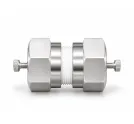

Details
Material: Stainless steel + PTFE
Applicable to various organic systems: lithium-ion batteries/sodium-ion batteries/solid-state batteries, good sealing performance
Please specify the specific size of the mold when placing an order.
Features: Compact and flexible, convenient disassembly and assembly, good sealing performance, electrode material can be customized as needed, and can be used for pressure testing of solid-state electrolytes.
Perguntas Frequentes
Pesquise ou navegue por perguntas comuns para encontrar respostas rapidamente

Precisa de suporte R&D?
Explore categorias principais de produtos e ligue materiais de bateria aos servicos R&D da Canrd.
Materiais experimentais
CategoriaCatodos, anodos, eletrolitos, separadores e outros materiais para investigacao de baterias.
Comprar materiais de catodo, anodo e eletrolito →Equipamento de laboratorio
CategoriaEquipamento de laboratorio de baterias para linhas piloto, fixtures e fluxos de teste.
Ver equipamento de laboratorio de baterias →Eletrodos e celulas
CategoriaEletrodos personalizados, celulas secas e componentes de celulas para validacao R&D.
Ver eletrodos e celulas de bateria personalizados →Eletrolito de sodio
CategoriaOpcoes de eletrolito de ioes de sodio para investigacao e validacao de baterias de sodio.
Comprar eletrolitos de bateria de sodio →Servicos R&D
ServicoServicos completos de R&D de baterias, da avaliacao de materiais a fabricacao de celulas e analise de falhas.
Explorar servicos R&D da Canrd →Avaliacao de materiais
ServicoCaracterizacao, testes eletroquimicos e avaliacao de compatibilidade para materiais de bateria.
Avaliar os seus materiais de bateria →Fabricacao de eletrodos
ServicoFolhas e rolos de eletrodos personalizados conforme a quimica e processo alvo.
Solicitar fabricacao de eletrodos →Fabricacao de celulas
ServicoCelulas secas, celulas montadas e formatos personalizados para validacao R&D.
Construir celulas de investigacao personalizadas →Contacto
PaginaPeca a Canrd para combinar produtos, materiais e servicos para o seu projeto.
Obter suporte de produto e R&D →
