



Lithium-ion Full Cell Manufacturing Process Training-- electrolyte Section
1.Slitting
1.Battery factories use semi-automatic and automatic slitting machines for slitting
2.Universities often adopt manual cutting (hard to control the burrs of the electrode )


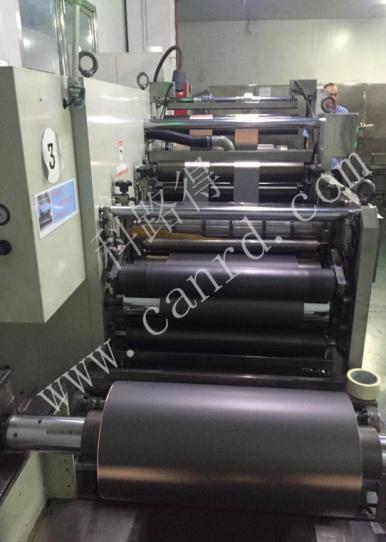
Semi-automatic slitting Effect of semi-automatic slitting Automatic slitting
2.Slitting Issues
2.1.Burr control is the key focus during the slitting process
Slitting deviation Uneven edge cutting Slitting wrinkling

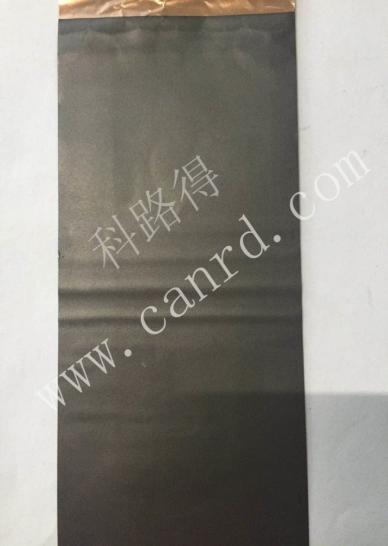

Controlling the feeding angle Inspecting the slitting blade Managing the slitting tension
of the electrode
2.2.Through CCD observation, determined the position and size of the burr (generally, the length of the burr should not exceed half of the separator) to prevent internal short circuits and safety issues that may occur in the battery.
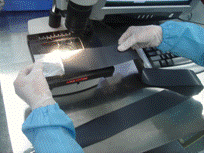
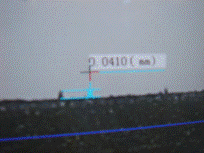
CCD Observation Burr Measurement
3.Welding
Currently, battery factories mostly adopt ultrasonic welding for electrode and tabs, with aluminum tabs used for the cathode electrode and nickel tabs used for the anode electrode.


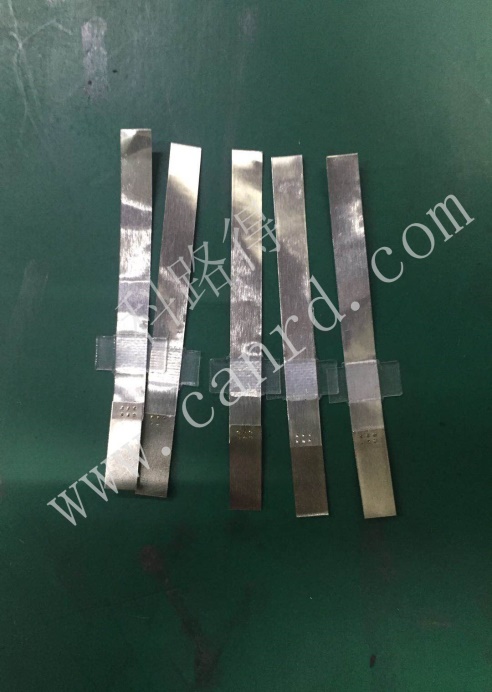
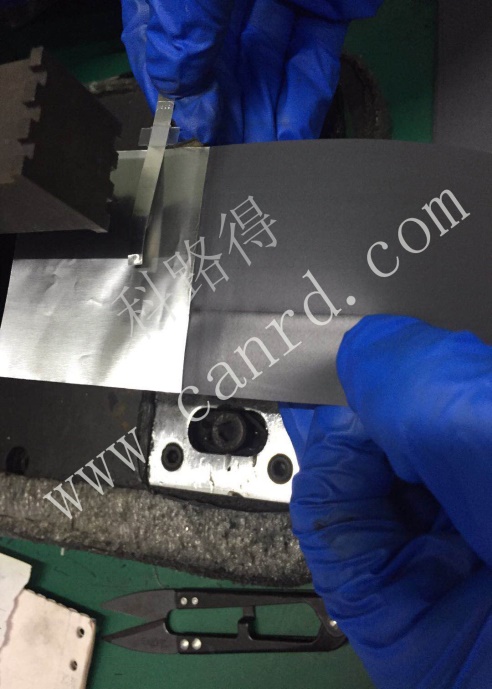
Cathode Aluminum-to-Nickel Tab Ultrasonic welding
4.Gluing
The purpose of gluing is to prevent the burrs at the welding position from puncturing the separator and causing a short circuit, as well as to control the powder shedding from the edges of the electrode.
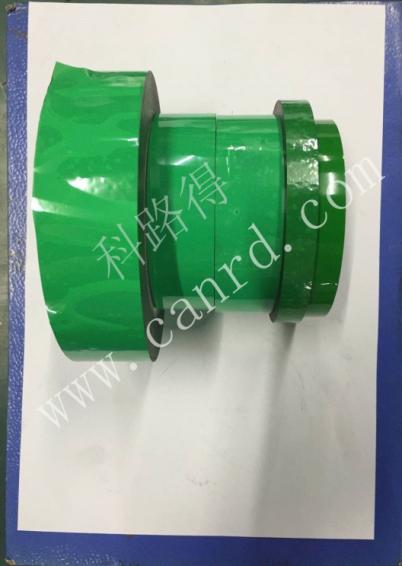

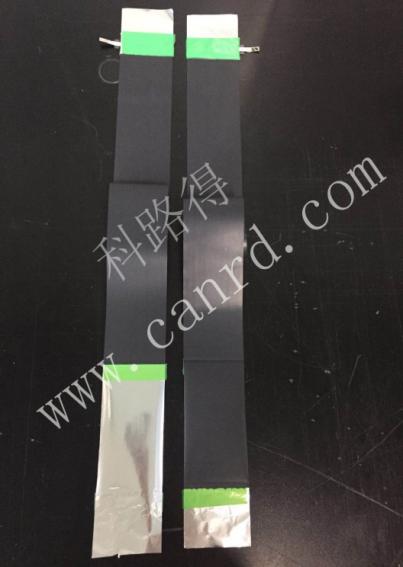
Special Green GlueHead Gluing Tail Gluing
5.Gluing Issues
The green glue needs to effectively cover the edge area of the membrane sheet.
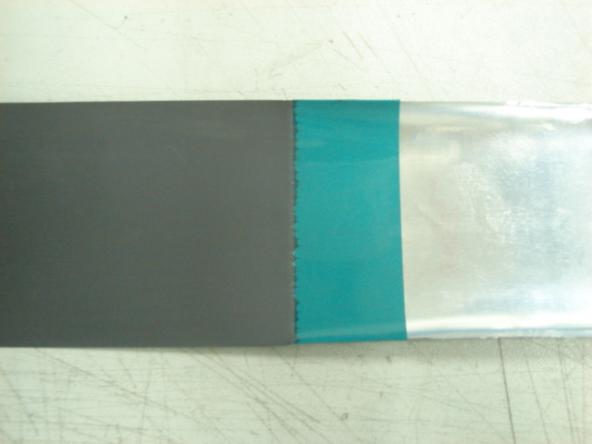

Cathode Gluing Qualified Metal Leakage Is Not Qualified
6.Winding
In principle, pay attention to the following points:
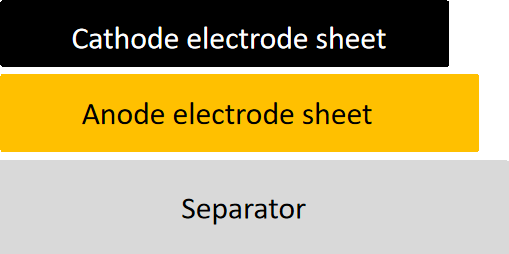
The negative electrode should be larger than the positive electrode in both length and width (by 1.0~3.0mm)
The separator should be larger than the negative electrode in both length and width (by 1.0~3.0mm)



7.Inspection of Electrode Before Winding

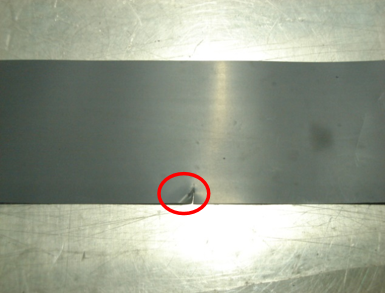

Electrode Fracture Electrode Damage Electrode Damage
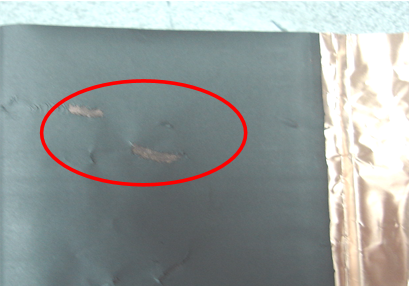

Anode Decarbonization, Metal Leakage Anode Decarbonization, Metal Leakage
8.Winding Issues
Poor winding due to insufficient wrapping
The anode not land on the green glue of the cathode

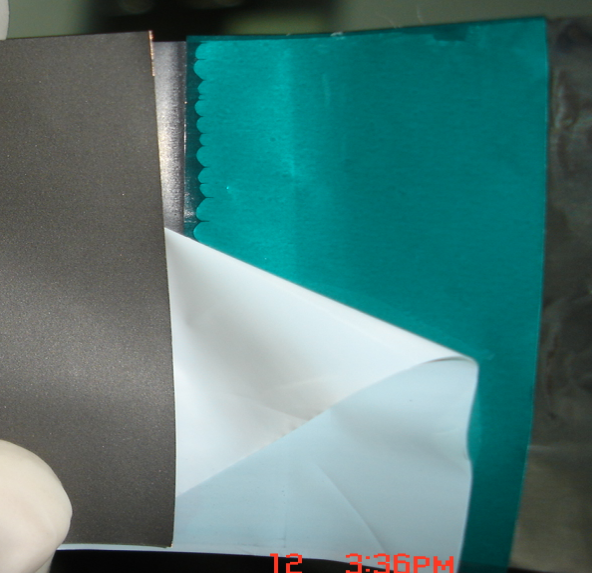
The end of the anode fell outside the green glue

9.Lamination


Cutting, Separator Tab Welding
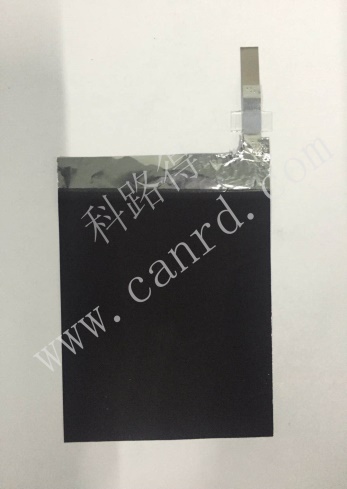


Electrode Electrode Aode Electrode Racing


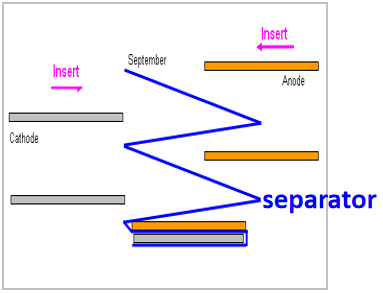
Alignment and gluing for fixation Zigzag lamination (with continuous separator)
10.Canrd Brief Introduce
Canrd use high battery R&D technology(core members are from CATL) and strong Chinese supply chain to help many foreign companies with fast R&D. We provide lab materials, electrodes, custom dry cells, material evaluation, perfomance and test, coin/pouch/cylindrical cell equipment line, and other R&D services.
📱 WhatsApp/WeChat: 86 189 2827 6992
📧 Email: janice@canrd.com
🛒 Product Website: www.canrud.com

11.Q & A
During this Q&A session, Dr. Ke addressed and provided detailed answers to the questions raised by everyone.
Hi Hi: "How can we resolve burrs and waves during slitting?"
Dr. Ke:
"For burrs, possible solutions include:
1.Slitting equipment: Replace the blades or adjust the slitting machine's precision.
2.Current collector: Using a collector with lower ductility to minimize burrs (balance with required toughness).
3.New cutting methods: For example, laser cutting.
To alleviate wave edges:
4.Tension control during slitting: This is generally available in automatic slitting processes.
5.Optimize the roller size for slitting knives."
My Computer: "What’s the difference between laminating after slitting versus slitting after laminating?"
Dr. Ke:
"To improve efficiency, large rolls are typically cold-pressed first, then slit."
A Leaf in Autumn: "How to address issues like molten beads and metal debris in laser slitting?"
Dr. Ke:
"Laser slitting can indeed cause such problems, but they can be mitigated through optimization. Each process has its pros and cons; the final choice depends on practical needs and evaluations."
Ellipsis: "If green adhesive doesn’t fully cover the material area and exposes metal, what are the implications?"
Dr. Ke:
"This is an industrial control issue. A small exposed metal area doesn’t necessarily mean a problem, but edge areas are prone to material shedding. This can lead to the risk of puncturing the separator and causing short circuits, especially during large-scale production, where uneven thickness in the material layer can increase risks. Such measures are a way to manage these risks."
A Little Bit: "What are the risks of uncovered metal in positive and negative electrode coatings? I’ve experienced it before."
Dr. Ke:
"For the positive electrode, uncovered metal could lower capacity. For the negative electrode, it might lead to lithium dendrite formation, posing safety risks. Even without immediate safety issues, localized lithium plating could damage interfaces and affect cycling performance."
Hello. "After stacking and welding, what’s the smallest possible distance between the tab adhesive and the cell body?"
Dr. Ke:
"Minimizing this distance is challenging. It can be reduced through a tab-folding process. Theoretically, the shortest distance is determined by the negative electrode and separator overhang plus the welding dimensions."
Angel Offline: "Is stacking mainly for parallel connections? What are the advantages and disadvantages of parallel connections?"
Dr. Ke:
"Advantages include low internal resistance and current distribution, making it suitable for high-rate applications. Additionally, stacking avoids winding tension, reducing deformation for systems prone to expansion. The downside is higher costs and lower production efficiency compared to winding."
Related Products & Services
Use Canrud products and R&D services to turn battery knowledge into practical experiments.
Coin Cell Case
ProductCoin cell cases for validating materials and electrochemical concepts from the article.
Use coin cell cases in your next test →Sodium Electrolyte
CategoryElectrolytes for sodium-ion battery research, compatibility tests, and cell validation.
Shop sodium electrolyte for validation →Cell Fabrication
ServiceGet support building dry cells, assembled cells, or custom formats for R&D validation.
Request cell fabrication support →Experimental Materials
CategoryBrowse materials for follow-up experiments, benchmarking, and product development.
Browse experimental battery materials →