

 contact@canrd.com

 +86 18928276992

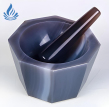
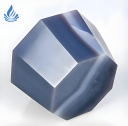
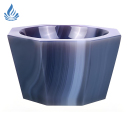
Details
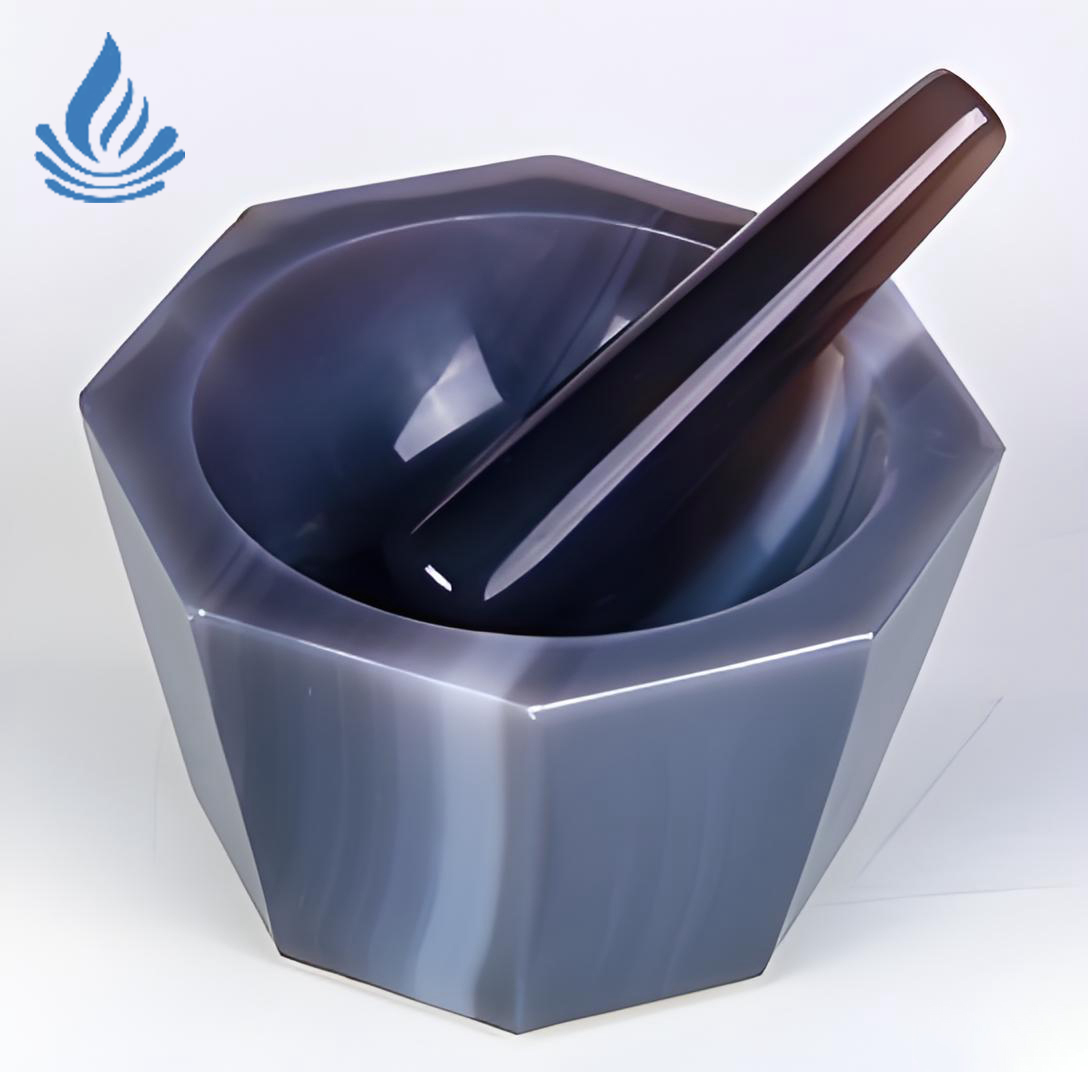
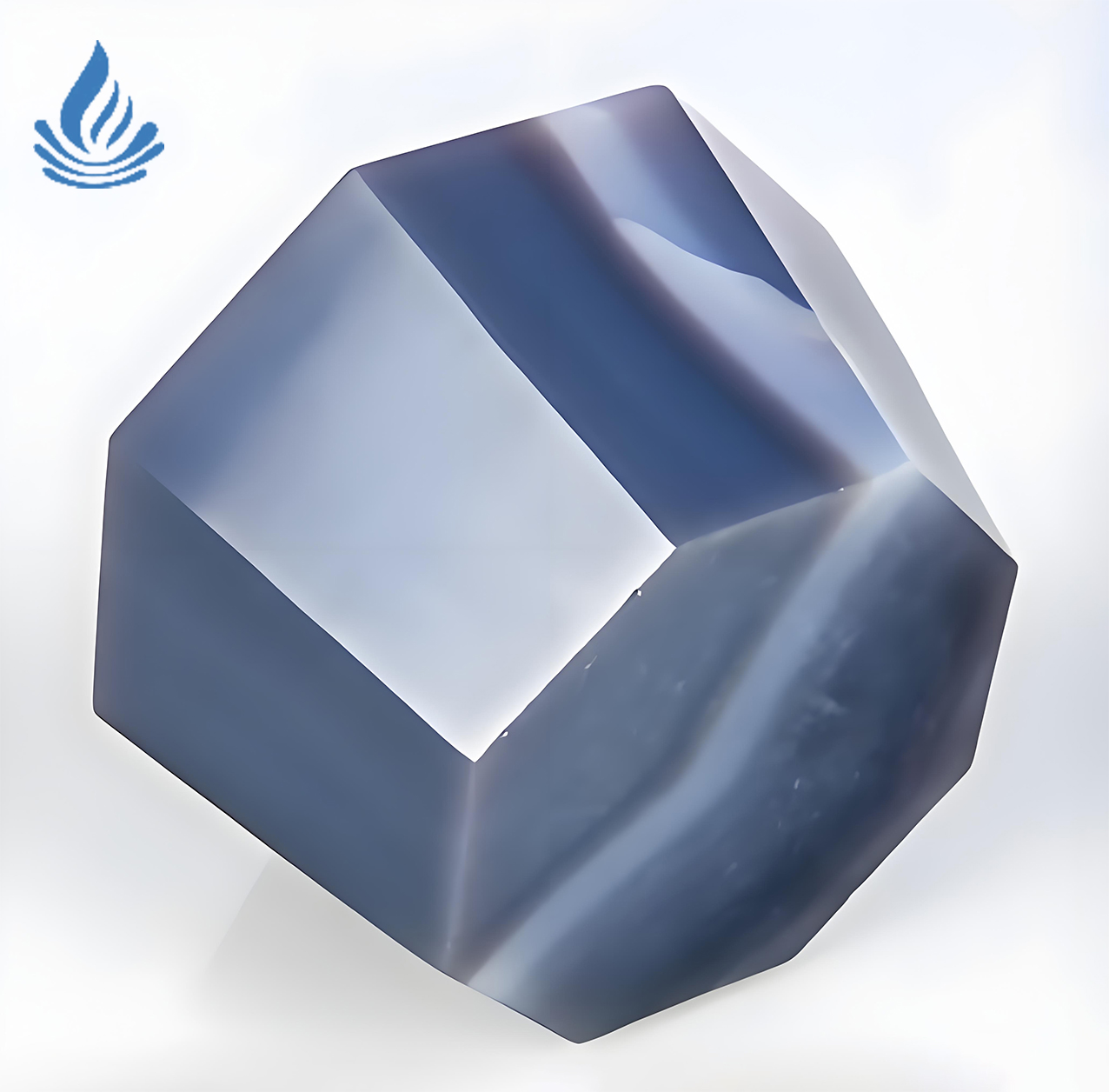
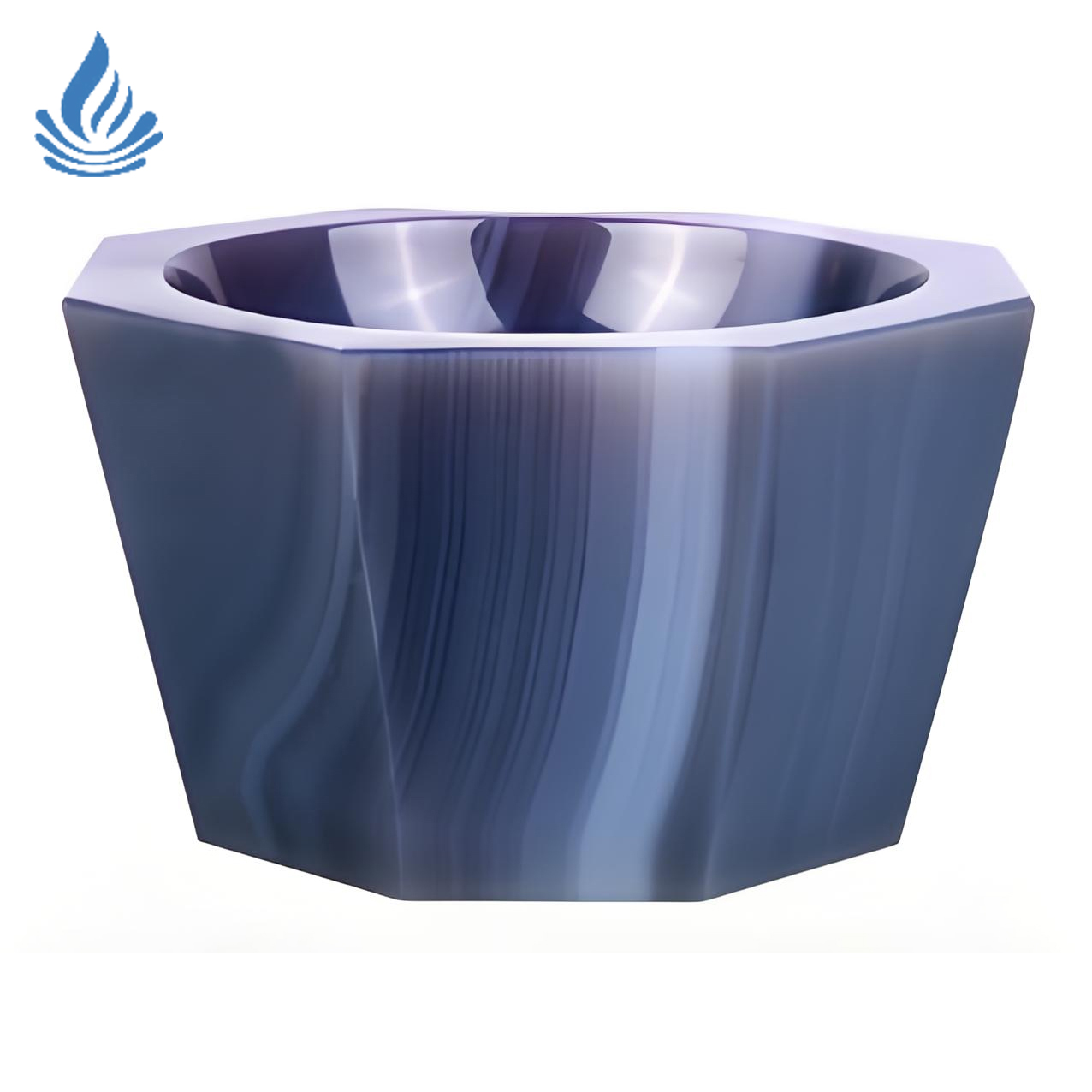
This agate mortar, crafted from imported Brazilian natural agate rough, offers elevated hardness (0.5–1 higher than domestic stone) and purity that meet international standards for laboratory grinding tools. Its crack‑free, wear‑resistant structure ensures minimal contamination during sample preparation, while strong corrosion resistance accommodates acidic grinding media. Available in a range of sizes (from 60×50×20 mm to 150×125×55 mm), each set includes a matching grinding rod for consistent operation. Designed for manual grinding of solid samples in materials research, analytical chemistry, and powder processing, it withstands high compressive loads and resists acid/alkali attack. Users should avoid contact with hydrofluoric acid, sudden temperature changes, and excessive force on large solids to preserve surface integrity. This mortar is a reliable choice for laboratories requiring precise, reproducible grinding with minimal cross‑contamination.
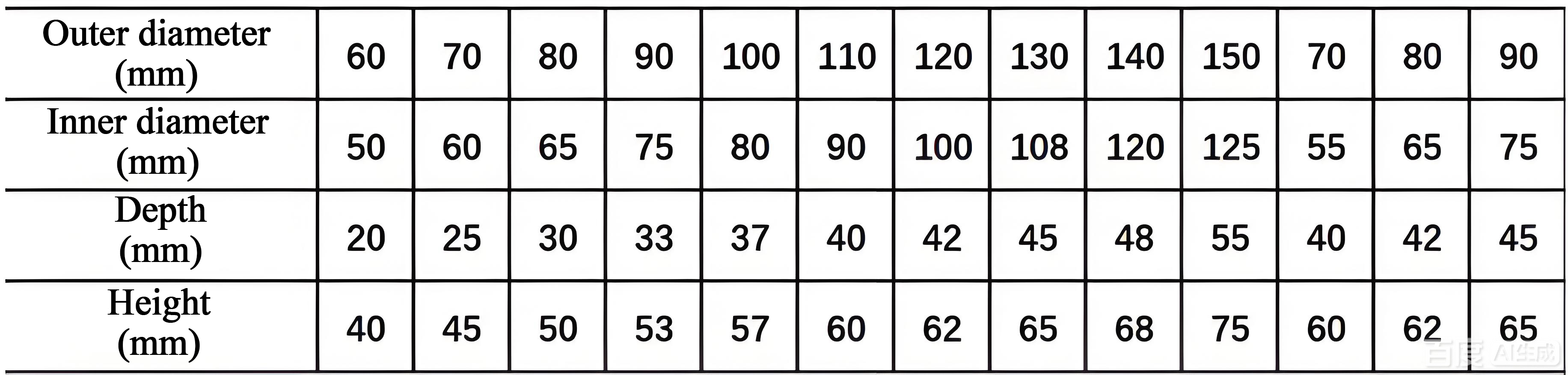
All parameters were measured manually, and there may be some error.
Product Advantages
- Made from imported Brazilian natural agate rough, its purity and hardness meet international quality and technical standards, with a hardness 0.5-1 higher than domestically produced stone.
- Free from cracks and impurities, with strong wear resistance.
- High gloss and strong corrosion resistance, suitable for use with acidic grinding materials.
- High compressive strength, resistant to acids and alkalis, and no mortar material will be mixed into the ground material after grinding.
Precautions
- Strictly prohibit contact with hydrofluoric acid.
- Strictly prohibit sudden cooling and heating. If oven drying is required, the heating temperature should not exceed 400℃.
- For large or crystalline samples, crush them on the outside before placing them in the agate mortar.
- It is best not to grind materials that are too hard or too coarse in the agate mortar to avoid scratching the surface.
- When grinding, the mortar should be placed on a non-slip surface, and the grinding should be kept vertical. Large solids should only be crushed, not pounded with a pestle, otherwise the mortar and pestle will be damaged or the solids will splatter. Explosive substances should only be gently crushed, not ground. When grinding substances corrosive to the skin, cover the mortar with a thick piece of paper or plastic, make a hole in the center, insert the pestle, and then grind. The amount of solids in the mortar should not exceed 1/3 of its volume.
- After use, the mortar should be washed with water, or first cleaned with dilute hydrochloric acid, then rinsed with water. If there are stubborn residues, add a little salt, grind, and then wash.
R&Dサポートが必要ですか?
主要な製品カテゴリを確認し、バッテリー材料をCanrdのR&Dサービスにつなげます。
実験材料
カテゴリバッテリー研究向けの正極、負極、電解液、セパレーターなど。
正極・負極・電解液材料を見る →実験装置
カテゴリパイロットライン、治具、試験ワークフロー向けのバッテリー実験装置。
バッテリー実験装置を見る →電極とセル
カテゴリR&D検証向けのカスタム電極、乾燥セル、セル部材。
カスタムバッテリー電極とセルを見る →ナトリウム電解液
カテゴリナトリウム電池研究と検証向けのナトリウムイオン電解液。
ナトリウム電池電解液を見る →R&Dサービス
サービス材料評価からセル作製、故障解析までの一貫したバッテリーR&Dサービス。
Canrd R&Dサービスを見る →材料評価
サービスバッテリー材料の特性評価、電気化学試験、適合性評価。
バッテリー材料を評価する →電極作製
サービス対象化学系とプロセスに合わせたカスタム電極シートやロール。
電極作製を依頼する →セル作製
サービスR&D検証向けの乾燥セル、組立セル、カスタムセル形式。
カスタム研究セルを作製する →お問い合わせ
ページCanrdが製品、材料、サービスをプロジェクトに合わせて提案します。
製品とR&Dサポートを受ける →
