

 contact@canrd.com
 +86 18928276992


Details
1. This product is used as a conductive additive for lithium-ion batteries and can be used in both positive and negative electrodes.
2. It is recommended to store in a sealed, well-ventilated, dry, light-avoiding, and cool environment to prevent moisture absorption.
1. High product purity, extremely low Fe content.
2. Superb conductivity with minimal product usage.
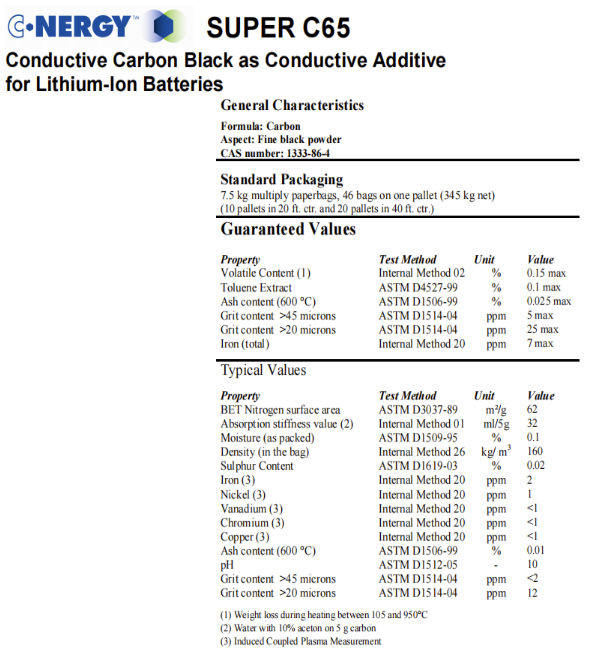
Conductive Carbon Black
conductive carbon black
is carbon black with low or high resistance properties that can provide products with conductivity or antistatic effects. Its features include small particle size, large specific surface area, rough texture, high structure, and clean surface (few compounds). As early as the 1990s, China developed V-series conductive carbon black products using the oil furnace method. In recent years, based on process improvements, the SL-series conductive carbon black products with larger surface area, higher porosity, and better conductivity have been developed. The most important current application is in new energy vehicles, where conductive carbon black imparts a certain degree of conductivity or antistatic properties to polymer materials, as a permanent functional filler. It is widely used in electromagnetic wave shielding materials, high- and medium-voltage power cable shielding materials, antistatic floors, oil pipelines, fuel tanks, rubber boots, antistatic flame-retardant transport belts for coal mines, ventilation ducts, PVC pipes, antistatic electronic component packaging materials, explosive packaging materials, conductive inks, coatings, and in aerospace tires requiring static elimination, among others.
Structure
The structure of carbon black is characterized by the extent to which carbon black particles aggregate into chain-like or grape-like shapes. Carbon black composed of aggregates formed by the size, shape, and number of particles in each aggregate is referred to as high-structure carbon black.The structure is often indicated by the oil absorption value; the higher the oil absorption value, the higher the structure of the carbon black, making it easier to form spatial network channels that are harder to break. High-structure carbon black particles are fine, with tightly packed network chain structures, a large specific surface area, and a high number of particles per unit mass, making it easier to form chain-like conductive structures in polymers, among which acetylene black is the best. Carbon black particles with a wide particle size distribution are more capable of imparting conductivity to polymers than those with narrow distributions, and statistical methods explain this phenomenon. Carbon black with a wide particle size distribution requires a large number of larger diameter particles, while smaller diameter particles compensate for them, resulting in more total particles for the same average particle size.
Structure Type |
Typical Examples |
Characteristics Description |
Branch-like, BET<200m2/g |
Super P/SuperC65 LITX50/200 etc. |
1) Secondary particles composed of solid, highly graphitized primary carbon microspheres with a branched structure 2) Electrolyte absorption ability is related to the complexity of the branched structure; the more complex, the better the absorption ability 3) The efficiency of network formation is relatively low, requiring a higher amount, typically with loading>1.5% 4) Easy to disperse in pulp, cost-effective, widely used in lithium battery positive and negative electrodes |
Formation
Carbon black generally refers to carbon particles formed due to incomplete combustion of organic substances, where the hydrogen and oxygen elements are converted into water, and the carbon element, due to incomplete combustion, detaches from the molecule, forming carbon black.
Morphology
Carbon black is composed of carbon but is typically classified as an inorganic pigment. Carbon black is a black powdery substance produced by the incomplete combustion or thermal cracking of hydrocarbons in the gas phase. Due to differences in production processes, various products with different properties can be obtained under different conditions.
1) Microscopic Structure of Carbon Black
Carbon black particles have a microcrystalline structure. In carbon black, the arrangement of carbon atoms is similar to graphite, forming hexagonal planes. Typically, 3 to 5 such layers form a microcrystal.The arrangement of carbon atoms within each graphite layer is ordered, while the arrangement between adjacent layers is unordered, so it is also referred to as quasi-graphite crystals.
2) Particle Size of Carbon Black
The particle fineness of pigment carbon black can be as low as 5 nm. Generally, carbon black particles do not exist in isolation; instead, multiple particles interlock through carbon crystal layers, forming branched structures. Different production processes result in a wide range of particle sizes. Lamp black production tends to result in coarser products, while gas black production produces finer products.
Using furnace black production, carbon black of almost all particle sizes can be obtained. Even the same type of carbon black will exhibit a particle size distribution range. Generally, finer particle types have narrower size distributions.
Main Properties
Chemical Properties
The chemical properties of carbon black vary depending on the production process. Most carbon black has a true surface area greater than the geometric surface area calculated from the particle size. This is because carbon black, especially particles smaller than 25 nm, has many micropores on its surface.
Analysis shows that phenolic, quinone, and carboxyl groups can be detected on the surface of carbon black. These acidic groups are especially abundant on the surface of gas black and oxidized furnace black. In furnace black, pyranone structures can be detected, which determines the alkaline properties of furnace black.The volatile matter content can be used to determine the concentration of surface functional groups and the polarity of the carbon black. Additionally, due to the large surface area of carbon black, it is prone to adsorb moisture from the environment, so special attention should be paid to moisture absorption during transportation, storage, and use.
Most research focuses on the geometry of conductive particle contact. The theory suggests that as the carbon black content increases, the density of dispersed carbon black particles or aggregates increases, and the average distance between particles decreases, resulting in higher chances of contact. This leads to more conductive pathways formed by the carbon black particles or aggregates. The higher the polarity of the polymer in a blend with carbon black, the larger the critical volume fraction of carbon black, which causes a decrease in conductivity due to the strong polar functional groups on the carbon black surface, hindering particle aggregation and thus reducing conductivity. However, in multicomponent matrices, the distribution of carbon black particles in the segregated phase determines the conductivity, depending on the concentration and distribution of carbon black particles in that phase.
Blackness
Blackness refers to the intensity of the black color presented by carbon black. When used for coloring, blackness is primarily based on light absorption. For a specific concentration of carbon black, the smaller the carbon black particles, the higher the light absorption. In addition to internal light absorption, blackness is also influenced by light scattering due to the surface geometric structure of the particles, which has a brightening effect that reduces blackness.As the particle size decreases, light scattering is reduced, and only very fine carbon black can increase blackness at higher concentrations. For coarser carbon black, light scattering dominates, and the blackness decreases as the particle number increases.
Color Strength
Color strength can be understood as the ability to offset the whitening effect of white pigments. Color strength increases as the primary particle size and structure decrease.
conductive carbon black
is carbon black with low or high resistance properties that can provide products with conductivity or antistatic effects. Its features include small particle size, large specific surface area, rough texture, high structure, and clean surface (few compounds). As early as the 1990s, China developed V-series conductive carbon black products using the oil furnace method. In recent years, based on process improvements, the SL-series conductive carbon black products with larger surface area, higher porosity, and better conductivity have been developed. The most important current application is in new energy vehicles, where conductive carbon black imparts a certain degree of conductivity or antistatic properties to polymer materials, as a permanent functional filler.It is widely used in electromagnetic wave shielding materials, high- and medium-voltage power cable shielding materials, antistatic floors, oil pipelines, fuel tanks, rubber boots, antistatic flame-retardant transport belts for coal mines, ventilation ducts, PVC pipes, antistatic electronic component packaging materials, explosive packaging materials, conductive inks, coatings, and in aerospace tires requiring static elimination, among others.
Structure
The structure of carbon black is characterized by the extent to which carbon black particles aggregate into chain-like or grape-like shapes. Carbon black composed of aggregates formed by the size, shape, and number of particles in each aggregate is referred to as high-structure carbon black. The structure is often indicated by the oil absorption value; the higher the oil absorption value, the higher the structure of the carbon black, making it easier to form spatial network channels that are harder to break. High-structure carbon black particles are fine, with tightly packed network chain structures, a large specific surface area, and a high number of particles per unit mass, making it easier to form chain-like conductive structures in polymers, among which acetylene black is the best. Carbon black particles with a wide particle size distribution are more capable of imparting conductivity to polymers than those with narrow distributions, and statistical methods explain this phenomenon. Carbon black with a wide particle size distribution requires a large number of larger diameter particles, while smaller diameter particles compensate for them, resulting in more total particles for the same average particle size.
Structure Type |
Typical Examples |
Characteristics Description |
Branch-like, BET<200m2/g |
Super P/SuperC65 LITX50/200 etc. |
1) Secondary particles composed of solid, highly graphitized primary carbon microspheres with a branched structure 2) Electrolyte absorption ability is related to the complexity of the branched structure; the more complex, the better the absorption ability 3) The efficiency of network formation is relatively low, requiring a higher amount, typically with loading>1.5% 4) Easy to disperse in pulp, cost-effective, widely used in lithium battery positive and negative electrodes |
Formation
Carbon black generally refers to carbon particles formed due to incomplete combustion of organic substances, where the hydrogen and oxygen elements are converted into water, and the carbon element, due to incomplete combustion, detaches from the molecule, forming carbon black.
Morphology
Carbon black is composed of carbon but is typically classified as an inorganic pigment. Carbon black is a black powdery substance produced by the incomplete combustion or thermal cracking of hydrocarbons in the gas phase. Due to differences in production processes, various products with different properties can be obtained under different conditions.
1) Microscopic Structure of Carbon Black
Carbon black particles have a microcrystalline structure. In carbon black, the arrangement of carbon atoms is similar to graphite, forming hexagonal planes. Typically, 3 to 5 such layers form a microcrystal. The arrangement of carbon atoms within each graphite layer is ordered, while the arrangement between adjacent layers is unordered, so it is also referred to as quasi-graphite crystals.
2) Particle Size of Carbon Black
The particle fineness of pigment carbon black can be as low as 5 nm. Generally, carbon black particles do not exist in isolation; instead, multiple particles interlock through carbon crystal layers, forming branched structures. Different production processes result in a wide range of particle sizes. Lamp black production tends to result in coarser products, while gas black production produces finer products.
Using furnace black production, carbon black of almost all particle sizes can be obtained. Even the same type of carbon black will exhibit a particle size distribution range. Generally, finer particle types have narrower size distributions.
Main Properties
Chemical Properties
The chemical properties of carbon black vary depending on the production process. Most carbon black has a true surface area greater than the geometric surface area calculated from the particle size. This is because carbon black, especially particles smaller than 25 nm, has many micropores on its surface.
Analysis shows that phenolic, quinone, and carboxyl groups can be detected on the surface of carbon black. These acidic groups are especially abundant on the surface of gas black and oxidized furnace black. In furnace black, pyranone structures can be detected, which determines the alkaline properties of furnace black. The volatile matter content can be used to determine the concentration of surface functional groups and the polarity of the carbon black. Additionally, due to the large surface area of carbon black, it is prone to adsorb moisture from the environment, so special attention should be paid to moisture absorption during transportation, storage, and use.
Most research focuses on the geometry of conductive particle contact. The theory suggests that as the carbon black content increases, the density of dispersed carbon black particles or aggregates increases, and the average distance between particles decreases, resulting in higher chances of contact. This leads to more conductive pathways formed by the carbon black particles or aggregates. The higher the polarity of the polymer in a blend with carbon black, the larger the critical volume fraction of carbon black, which causes a decrease in conductivity due to the strong polar functional groups on the carbon black surface, hindering particle aggregation and thus reducing conductivity.However, in multicomponent matrices, the distribution of carbon black particles in the segregated phase determines the conductivity, depending on the concentration and distribution of carbon black particles in that phase.
Blackness
Blackness refers to the intensity of the black color presented by carbon black. When used for coloring, blackness is primarily based on light absorption. For a specific concentration of carbon black, the smaller the carbon black particles, the higher the light absorption. In addition to internal light absorption, blackness is also influenced by light scattering due to the surface geometric structure of the particles, which has a brightening effect that reduces blackness. As the particle size decreases, light scattering is reduced, and only very fine carbon black can increase blackness at higher concentrations. For coarser carbon black, light scattering dominates, and the blackness decreases as the particle number increases.
Color Strength
Color strength can be understood as the ability to offset the whitening effect of white pigments. Color strength increases as the primary particle size and structure decrease.
Conductive Carbon Black
conductive carbon black
is carbon black with low or high resistance properties that can provide products with conductivity or antistatic effects. Its features include small particle size, large specific surface area, rough texture, high structure, and clean surface (few compounds). As early as the 1990s, China developed V-series conductive carbon black products using the oil furnace method. In recent years, based on process improvements, the SL-series conductive carbon black products with larger surface area, higher porosity, and better conductivity have been developed. The most important current application is in new energy vehicles, where conductive carbon black imparts a certain degree of conductivity or antistatic properties to polymer materials, as a permanent functional filler. It is widely used in electromagnetic wave shielding materials, high- and medium-voltage power cable shielding materials, antistatic floors, oil pipelines, fuel tanks, rubber boots, antistatic flame-retardant transport belts for coal mines, ventilation ducts, PVC pipes, antistatic electronic component packaging materials, explosive packaging materials, conductive inks, coatings, and in aerospace tires requiring static elimination, among others.
Structure
The structure of carbon black is characterized by the extent to which carbon black particles aggregate into chain-like or grape-like shapes. Carbon black composed of aggregates formed by the size, shape, and number of particles in each aggregate is referred to as high-structure carbon black.The structure is often indicated by the oil absorption value; the higher the oil absorption value, the higher the structure of the carbon black, making it easier to form spatial network channels that are harder to break. High-structure carbon black particles are fine, with tightly packed network chain structures, a large specific surface area, and a high number of particles per unit mass, making it easier to form chain-like conductive structures in polymers, among which acetylene black is the best. Carbon black particles with a wide particle size distribution are more capable of imparting conductivity to polymers than those with narrow distributions, and statistical methods explain this phenomenon. Carbon black with a wide particle size distribution requires a large number of larger diameter particles, while smaller diameter particles compensate for them, resulting in more total particles for the same average particle size.
Structure Type |
Typical Examples |
Characteristics Description |
Branch-like, BET<200m2/g |
Super P/SuperC65 LITX50/200 etc. |
1) Secondary particles composed of solid, highly graphitized primary carbon microspheres with a branched structure 2) Electrolyte absorption ability is related to the complexity of the branched structure; the more complex, the better the absorption ability 3) The efficiency of network formation is relatively low, requiring a higher amount, typically with loading>1.5% 4) Easy to disperse in pulp, cost-effective, widely used in lithium battery positive and negative electrodes |
Formation
Carbon black generally refers to carbon particles formed due to incomplete combustion of organic substances, where the hydrogen and oxygen elements are converted into water, and the carbon element, due to incomplete combustion, detaches from the molecule, forming carbon black.
Morphology
Carbon black is composed of carbon but is typically classified as an inorganic pigment. Carbon black is a black powdery substance produced by the incomplete combustion or thermal cracking of hydrocarbons in the gas phase. Due to differences in production processes, various products with different properties can be obtained under different conditions.
1) Microscopic Structure of Carbon Black
Carbon black particles have a microcrystalline structure. In carbon black, the arrangement of carbon atoms is similar to graphite, forming hexagonal planes. Typically, 3 to 5 such layers form a microcrystal.The arrangement of carbon atoms within each graphite layer is ordered, while the arrangement between adjacent layers is unordered, so it is also referred to as quasi-graphite crystals.
2) Particle Size of Carbon Black
The particle fineness of pigment carbon black can be as low as 5 nm. Generally, carbon black particles do not exist in isolation; instead, multiple particles interlock through carbon crystal layers, forming branched structures. Different production processes result in a wide range of particle sizes. Lamp black production tends to result in coarser products, while gas black production produces finer products.
Using furnace black production, carbon black of almost all particle sizes can be obtained. Even the same type of carbon black will exhibit a particle size distribution range. Generally, finer particle types have narrower size distributions.
Main Properties
Chemical Properties
The chemical properties of carbon black vary depending on the production process. Most carbon black has a true surface area greater than the geometric surface area calculated from the particle size. This is because carbon black, especially particles smaller than 25 nm, has many micropores on its surface.
Analysis shows that phenolic, quinone, and carboxyl groups can be detected on the surface of carbon black. These acidic groups are especially abundant on the surface of gas black and oxidized furnace black. In furnace black, pyranone structures can be detected, which determines the alkaline properties of furnace black.The volatile matter content can be used to determine the concentration of surface functional groups and the polarity of the carbon black. Additionally, due to the large surface area of carbon black, it is prone to adsorb moisture from the environment, so special attention should be paid to moisture absorption during transportation, storage, and use.
Most research focuses on the geometry of conductive particle contact. The theory suggests that as the carbon black content increases, the density of dispersed carbon black particles or aggregates increases, and the average distance between particles decreases, resulting in higher chances of contact. This leads to more conductive pathways formed by the carbon black particles or aggregates. The higher the polarity of the polymer in a blend with carbon black, the larger the critical volume fraction of carbon black, which causes a decrease in conductivity due to the strong polar functional groups on the carbon black surface, hindering particle aggregation and thus reducing conductivity. However, in multicomponent matrices, the distribution of carbon black particles in the segregated phase determines the conductivity, depending on the concentration and distribution of carbon black particles in that phase.
Blackness
Blackness refers to the intensity of the black color presented by carbon black. When used for coloring, blackness is primarily based on light absorption. For a specific concentration of carbon black, the smaller the carbon black particles, the higher the light absorption. In addition to internal light absorption, blackness is also influenced by light scattering due to the surface geometric structure of the particles, which has a brightening effect that reduces blackness.As the particle size decreases, light scattering is reduced, and only very fine carbon black can increase blackness at higher concentrations. For coarser carbon black, light scattering dominates, and the blackness decreases as the particle number increases.
Color Strength
Color strength can be understood as the ability to offset the whitening effect of white pigments. Color strength increases as the primary particle size and structure decrease.
conductive carbon black
is carbon black with low or high resistance properties that can provide products with conductivity or antistatic effects. Its features include small particle size, large specific surface area, rough texture, high structure, and clean surface (few compounds). As early as the 1990s, China developed V-series conductive carbon black products using the oil furnace method. In recent years, based on process improvements, the SL-series conductive carbon black products with larger surface area, higher porosity, and better conductivity have been developed. The most important current application is in new energy vehicles, where conductive carbon black imparts a certain degree of conductivity or antistatic properties to polymer materials, as a permanent functional filler.It is widely used in electromagnetic wave shielding materials, high- and medium-voltage power cable shielding materials, antistatic floors, oil pipelines, fuel tanks, rubber boots, antistatic flame-retardant transport belts for coal mines, ventilation ducts, PVC pipes, antistatic electronic component packaging materials, explosive packaging materials, conductive inks, coatings, and in aerospace tires requiring static elimination, among others.
Structure
The structure of carbon black is characterized by the extent to which carbon black particles aggregate into chain-like or grape-like shapes. Carbon black composed of aggregates formed by the size, shape, and number of particles in each aggregate is referred to as high-structure carbon black. The structure is often indicated by the oil absorption value; the higher the oil absorption value, the higher the structure of the carbon black, making it easier to form spatial network channels that are harder to break. High-structure carbon black particles are fine, with tightly packed network chain structures, a large specific surface area, and a high number of particles per unit mass, making it easier to form chain-like conductive structures in polymers, among which acetylene black is the best. Carbon black particles with a wide particle size distribution are more capable of imparting conductivity to polymers than those with narrow distributions, and statistical methods explain this phenomenon. Carbon black with a wide particle size distribution requires a large number of larger diameter particles, while smaller diameter particles compensate for them, resulting in more total particles for the same average particle size.
Structure Type |
Typical Examples |
Characteristics Description |
Branch-like, BET<200m2/g |
Super P/SuperC65 LITX50/200 etc. |
1) Secondary particles composed of solid, highly graphitized primary carbon microspheres with a branched structure 2) Electrolyte absorption ability is related to the complexity of the branched structure; the more complex, the better the absorption ability 3) The efficiency of network formation is relatively low, requiring a higher amount, typically with loading>1.5% 4) Easy to disperse in pulp, cost-effective, widely used in lithium battery positive and negative electrodes |
Formation
Carbon black generally refers to carbon particles formed due to incomplete combustion of organic substances, where the hydrogen and oxygen elements are converted into water, and the carbon element, due to incomplete combustion, detaches from the molecule, forming carbon black.
Morphology
Carbon black is composed of carbon but is typically classified as an inorganic pigment. Carbon black is a black powdery substance produced by the incomplete combustion or thermal cracking of hydrocarbons in the gas phase. Due to differences in production processes, various products with different properties can be obtained under different conditions.
1) Microscopic Structure of Carbon Black
Carbon black particles have a microcrystalline structure. In carbon black, the arrangement of carbon atoms is similar to graphite, forming hexagonal planes. Typically, 3 to 5 such layers form a microcrystal. The arrangement of carbon atoms within each graphite layer is ordered, while the arrangement between adjacent layers is unordered, so it is also referred to as quasi-graphite crystals.
2) Particle Size of Carbon Black
The particle fineness of pigment carbon black can be as low as 5 nm. Generally, carbon black particles do not exist in isolation; instead, multiple particles interlock through carbon crystal layers, forming branched structures. Different production processes result in a wide range of particle sizes. Lamp black production tends to result in coarser products, while gas black production produces finer products.
Using furnace black production, carbon black of almost all particle sizes can be obtained. Even the same type of carbon black will exhibit a particle size distribution range. Generally, finer particle types have narrower size distributions.
Main Properties
Chemical Properties
The chemical properties of carbon black vary depending on the production process. Most carbon black has a true surface area greater than the geometric surface area calculated from the particle size. This is because carbon black, especially particles smaller than 25 nm, has many micropores on its surface.
Analysis shows that phenolic, quinone, and carboxyl groups can be detected on the surface of carbon black. These acidic groups are especially abundant on the surface of gas black and oxidized furnace black. In furnace black, pyranone structures can be detected, which determines the alkaline properties of furnace black. The volatile matter content can be used to determine the concentration of surface functional groups and the polarity of the carbon black. Additionally, due to the large surface area of carbon black, it is prone to adsorb moisture from the environment, so special attention should be paid to moisture absorption during transportation, storage, and use.
Most research focuses on the geometry of conductive particle contact. The theory suggests that as the carbon black content increases, the density of dispersed carbon black particles or aggregates increases, and the average distance between particles decreases, resulting in higher chances of contact. This leads to more conductive pathways formed by the carbon black particles or aggregates. The higher the polarity of the polymer in a blend with carbon black, the larger the critical volume fraction of carbon black, which causes a decrease in conductivity due to the strong polar functional groups on the carbon black surface, hindering particle aggregation and thus reducing conductivity.However, in multicomponent matrices, the distribution of carbon black particles in the segregated phase determines the conductivity, depending on the concentration and distribution of carbon black particles in that phase.
Blackness
Blackness refers to the intensity of the black color presented by carbon black. When used for coloring, blackness is primarily based on light absorption. For a specific concentration of carbon black, the smaller the carbon black particles, the higher the light absorption. In addition to internal light absorption, blackness is also influenced by light scattering due to the surface geometric structure of the particles, which has a brightening effect that reduces blackness. As the particle size decreases, light scattering is reduced, and only very fine carbon black can increase blackness at higher concentrations. For coarser carbon black, light scattering dominates, and the blackness decreases as the particle number increases.
Color Strength
Color strength can be understood as the ability to offset the whitening effect of white pigments. Color strength increases as the primary particle size and structure decrease.
Related Articles
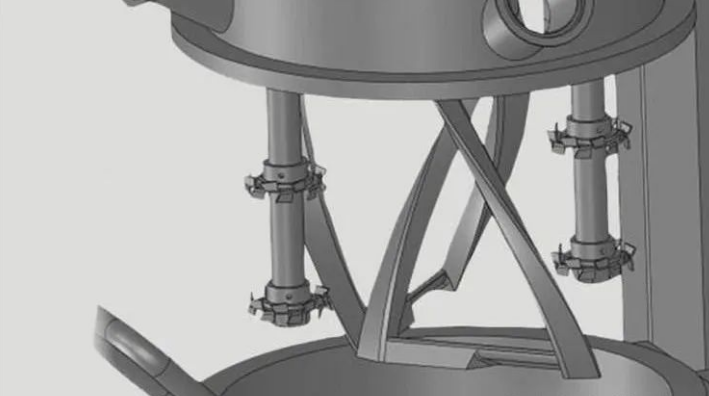
Exploring the mixing process of lithium-ion batteries---mixer
Understand the principle of lithium-ion battery mixing equipment in one article.
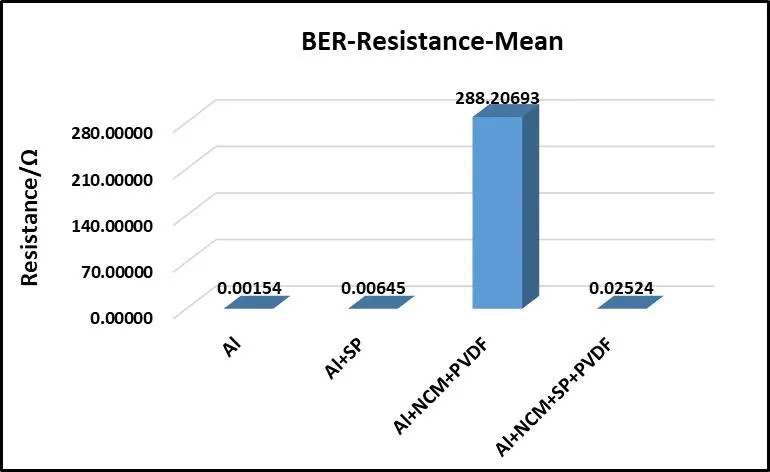
Effect of Conductive Additives on Electronic Conductivity of Lithium-Ion Battery Electrodes
Conductive agent SP enhances Li-ion battery powder/electrode conductivity.
Conductive Carbon Black
conductive carbon black
is carbon black with low or high resistance properties that can provide products with conductivity or antistatic effects. Its features include small particle size, large specific surface area, rough texture, high structure, and clean surface (few compounds). As early as the 1990s, China developed V-series conductive carbon black products using the oil furnace method. In recent years, based on process improvements, the SL-series conductive carbon black products with larger surface area, higher porosity, and better conductivity have been developed. The most important current application is in new energy vehicles, where conductive carbon black imparts a certain degree of conductivity or antistatic properties to polymer materials, as a permanent functional filler. It is widely used in electromagnetic wave shielding materials, high- and medium-voltage power cable shielding materials, antistatic floors, oil pipelines, fuel tanks, rubber boots, antistatic flame-retardant transport belts for coal mines, ventilation ducts, PVC pipes, antistatic electronic component packaging materials, explosive packaging materials, conductive inks, coatings, and in aerospace tires requiring static elimination, among others.
Structure
The structure of carbon black is characterized by the extent to which carbon black particles aggregate into chain-like or grape-like shapes. Carbon black composed of aggregates formed by the size, shape, and number of particles in each aggregate is referred to as high-structure carbon black.The structure is often indicated by the oil absorption value; the higher the oil absorption value, the higher the structure of the carbon black, making it easier to form spatial network channels that are harder to break. High-structure carbon black particles are fine, with tightly packed network chain structures, a large specific surface area, and a high number of particles per unit mass, making it easier to form chain-like conductive structures in polymers, among which acetylene black is the best. Carbon black particles with a wide particle size distribution are more capable of imparting conductivity to polymers than those with narrow distributions, and statistical methods explain this phenomenon. Carbon black with a wide particle size distribution requires a large number of larger diameter particles, while smaller diameter particles compensate for them, resulting in more total particles for the same average particle size.
Structure Type |
Typical Examples |
Characteristics Description |
Branch-like, BET<200m2/g |
Super P/SuperC65 LITX50/200 etc. |
1) Secondary particles composed of solid, highly graphitized primary carbon microspheres with a branched structure 2) Electrolyte absorption ability is related to the complexity of the branched structure; the more complex, the better the absorption ability 3) The efficiency of network formation is relatively low, requiring a higher amount, typically with loading>1.5% 4) Easy to disperse in pulp, cost-effective, widely used in lithium battery positive and negative electrodes |
Formation
Carbon black generally refers to carbon particles formed due to incomplete combustion of organic substances, where the hydrogen and oxygen elements are converted into water, and the carbon element, due to incomplete combustion, detaches from the molecule, forming carbon black.
Morphology
Carbon black is composed of carbon but is typically classified as an inorganic pigment. Carbon black is a black powdery substance produced by the incomplete combustion or thermal cracking of hydrocarbons in the gas phase. Due to differences in production processes, various products with different properties can be obtained under different conditions.
1) Microscopic Structure of Carbon Black
Carbon black particles have a microcrystalline structure. In carbon black, the arrangement of carbon atoms is similar to graphite, forming hexagonal planes. Typically, 3 to 5 such layers form a microcrystal.The arrangement of carbon atoms within each graphite layer is ordered, while the arrangement between adjacent layers is unordered, so it is also referred to as quasi-graphite crystals.
2) Particle Size of Carbon Black
The particle fineness of pigment carbon black can be as low as 5 nm. Generally, carbon black particles do not exist in isolation; instead, multiple particles interlock through carbon crystal layers, forming branched structures. Different production processes result in a wide range of particle sizes. Lamp black production tends to result in coarser products, while gas black production produces finer products.
Using furnace black production, carbon black of almost all particle sizes can be obtained. Even the same type of carbon black will exhibit a particle size distribution range. Generally, finer particle types have narrower size distributions.
Main Properties
Chemical Properties
The chemical properties of carbon black vary depending on the production process. Most carbon black has a true surface area greater than the geometric surface area calculated from the particle size. This is because carbon black, especially particles smaller than 25 nm, has many micropores on its surface.
Analysis shows that phenolic, quinone, and carboxyl groups can be detected on the surface of carbon black. These acidic groups are especially abundant on the surface of gas black and oxidized furnace black. In furnace black, pyranone structures can be detected, which determines the alkaline properties of furnace black.The volatile matter content can be used to determine the concentration of surface functional groups and the polarity of the carbon black. Additionally, due to the large surface area of carbon black, it is prone to adsorb moisture from the environment, so special attention should be paid to moisture absorption during transportation, storage, and use.
Most research focuses on the geometry of conductive particle contact. The theory suggests that as the carbon black content increases, the density of dispersed carbon black particles or aggregates increases, and the average distance between particles decreases, resulting in higher chances of contact. This leads to more conductive pathways formed by the carbon black particles or aggregates. The higher the polarity of the polymer in a blend with carbon black, the larger the critical volume fraction of carbon black, which causes a decrease in conductivity due to the strong polar functional groups on the carbon black surface, hindering particle aggregation and thus reducing conductivity. However, in multicomponent matrices, the distribution of carbon black particles in the segregated phase determines the conductivity, depending on the concentration and distribution of carbon black particles in that phase.
Blackness
Blackness refers to the intensity of the black color presented by carbon black. When used for coloring, blackness is primarily based on light absorption. For a specific concentration of carbon black, the smaller the carbon black particles, the higher the light absorption. In addition to internal light absorption, blackness is also influenced by light scattering due to the surface geometric structure of the particles, which has a brightening effect that reduces blackness.As the particle size decreases, light scattering is reduced, and only very fine carbon black can increase blackness at higher concentrations. For coarser carbon black, light scattering dominates, and the blackness decreases as the particle number increases.
Color Strength
Color strength can be understood as the ability to offset the whitening effect of white pigments. Color strength increases as the primary particle size and structure decrease.
conductive carbon black
is carbon black with low or high resistance properties that can provide products with conductivity or antistatic effects. Its features include small particle size, large specific surface area, rough texture, high structure, and clean surface (few compounds). As early as the 1990s, China developed V-series conductive carbon black products using the oil furnace method. In recent years, based on process improvements, the SL-series conductive carbon black products with larger surface area, higher porosity, and better conductivity have been developed. The most important current application is in new energy vehicles, where conductive carbon black imparts a certain degree of conductivity or antistatic properties to polymer materials, as a permanent functional filler.It is widely used in electromagnetic wave shielding materials, high- and medium-voltage power cable shielding materials, antistatic floors, oil pipelines, fuel tanks, rubber boots, antistatic flame-retardant transport belts for coal mines, ventilation ducts, PVC pipes, antistatic electronic component packaging materials, explosive packaging materials, conductive inks, coatings, and in aerospace tires requiring static elimination, among others.
Structure
The structure of carbon black is characterized by the extent to which carbon black particles aggregate into chain-like or grape-like shapes. Carbon black composed of aggregates formed by the size, shape, and number of particles in each aggregate is referred to as high-structure carbon black. The structure is often indicated by the oil absorption value; the higher the oil absorption value, the higher the structure of the carbon black, making it easier to form spatial network channels that are harder to break. High-structure carbon black particles are fine, with tightly packed network chain structures, a large specific surface area, and a high number of particles per unit mass, making it easier to form chain-like conductive structures in polymers, among which acetylene black is the best. Carbon black particles with a wide particle size distribution are more capable of imparting conductivity to polymers than those with narrow distributions, and statistical methods explain this phenomenon. Carbon black with a wide particle size distribution requires a large number of larger diameter particles, while smaller diameter particles compensate for them, resulting in more total particles for the same average particle size.
Structure Type |
Typical Examples |
Characteristics Description |
Branch-like, BET<200m2/g |
Super P/SuperC65 LITX50/200 etc. |
1) Secondary particles composed of solid, highly graphitized primary carbon microspheres with a branched structure 2) Electrolyte absorption ability is related to the complexity of the branched structure; the more complex, the better the absorption ability 3) The efficiency of network formation is relatively low, requiring a higher amount, typically with loading>1.5% 4) Easy to disperse in pulp, cost-effective, widely used in lithium battery positive and negative electrodes |
Formation
Carbon black generally refers to carbon particles formed due to incomplete combustion of organic substances, where the hydrogen and oxygen elements are converted into water, and the carbon element, due to incomplete combustion, detaches from the molecule, forming carbon black.
Morphology
Carbon black is composed of carbon but is typically classified as an inorganic pigment. Carbon black is a black powdery substance produced by the incomplete combustion or thermal cracking of hydrocarbons in the gas phase. Due to differences in production processes, various products with different properties can be obtained under different conditions.
1) Microscopic Structure of Carbon Black
Carbon black particles have a microcrystalline structure. In carbon black, the arrangement of carbon atoms is similar to graphite, forming hexagonal planes. Typically, 3 to 5 such layers form a microcrystal. The arrangement of carbon atoms within each graphite layer is ordered, while the arrangement between adjacent layers is unordered, so it is also referred to as quasi-graphite crystals.
2) Particle Size of Carbon Black
The particle fineness of pigment carbon black can be as low as 5 nm. Generally, carbon black particles do not exist in isolation; instead, multiple particles interlock through carbon crystal layers, forming branched structures. Different production processes result in a wide range of particle sizes. Lamp black production tends to result in coarser products, while gas black production produces finer products.
Using furnace black production, carbon black of almost all particle sizes can be obtained. Even the same type of carbon black will exhibit a particle size distribution range. Generally, finer particle types have narrower size distributions.
Main Properties
Chemical Properties
The chemical properties of carbon black vary depending on the production process. Most carbon black has a true surface area greater than the geometric surface area calculated from the particle size. This is because carbon black, especially particles smaller than 25 nm, has many micropores on its surface.
Analysis shows that phenolic, quinone, and carboxyl groups can be detected on the surface of carbon black. These acidic groups are especially abundant on the surface of gas black and oxidized furnace black. In furnace black, pyranone structures can be detected, which determines the alkaline properties of furnace black. The volatile matter content can be used to determine the concentration of surface functional groups and the polarity of the carbon black. Additionally, due to the large surface area of carbon black, it is prone to adsorb moisture from the environment, so special attention should be paid to moisture absorption during transportation, storage, and use.
Most research focuses on the geometry of conductive particle contact. The theory suggests that as the carbon black content increases, the density of dispersed carbon black particles or aggregates increases, and the average distance between particles decreases, resulting in higher chances of contact. This leads to more conductive pathways formed by the carbon black particles or aggregates. The higher the polarity of the polymer in a blend with carbon black, the larger the critical volume fraction of carbon black, which causes a decrease in conductivity due to the strong polar functional groups on the carbon black surface, hindering particle aggregation and thus reducing conductivity.However, in multicomponent matrices, the distribution of carbon black particles in the segregated phase determines the conductivity, depending on the concentration and distribution of carbon black particles in that phase.
Blackness
Blackness refers to the intensity of the black color presented by carbon black. When used for coloring, blackness is primarily based on light absorption. For a specific concentration of carbon black, the smaller the carbon black particles, the higher the light absorption. In addition to internal light absorption, blackness is also influenced by light scattering due to the surface geometric structure of the particles, which has a brightening effect that reduces blackness. As the particle size decreases, light scattering is reduced, and only very fine carbon black can increase blackness at higher concentrations. For coarser carbon black, light scattering dominates, and the blackness decreases as the particle number increases.
Color Strength
Color strength can be understood as the ability to offset the whitening effect of white pigments. Color strength increases as the primary particle size and structure decrease.
Need R&D Support?
Browse key product categories and connect battery materials with Canrd's R&D services for testing, fabrication, and project support.
Experimental Materials
CategoryCathode, anode, electrolyte, separator, and other materials for battery research.
Shop cathode, anode & electrolyte materials →Lab Equipment
CategoryBattery lab equipment for pilot lines, fixtures, and testing workflows.
Browse battery lab equipment →Electrodes & Cells
CategoryCustom electrodes, dry cells, and battery cell components for R&D validation.
View custom battery electrodes & cells →Sodium Electrolyte
CategorySodium-ion electrolyte options for sodium battery research and validation.
Shop sodium battery electrolytes →R&D Services
ServiceFull-chain battery R&D services from material evaluation to cell fabrication and failure analysis.
Explore Canrd R&D services →Material Evaluation
ServiceCharacterization, electrochemical testing, and compatibility evaluation for battery materials.
Evaluate your battery materials →Electrode Fabrication
ServiceCustom electrode sheets and rolls based on your target chemistry and process needs.
Request electrode fabrication →Cell Fabrication
ServiceDry cells, assembled cells, and custom-format cell builds for R&D validation.
Build custom research cells →Contact
PageAsk Canrd to match products, materials, and services for your project.
Get product and R&D support →