





Details
This product must be tested in accordance with the test methods and electrolytes recommended by
Coulter to achieve the corresponding performance.Since the test method and electrolyte have a great
influence on the performance of the battery, any change in the test method or electrolyte may reduce
the performance of the pole piece; be sure to check this information before purchasing.

Operating Steps:
At room temperature (25℃), let stand for 4 hours.
Discharge at 0.10C rate (constant current) to 0.005V, then at 0.09C rate (constant current) to 0.005V.
Discharge at 0.08C rate (constant current) to 0.005V, then at 0.07C rate (constant current) to 0.005V.
Discharge at 0.06C rate (constant current) to 0.005V, then at 0.05C rate (constant current)... Discharge to 0.005V at a constant current rate.
Discharge to 0.005V at a constant current rate of 0.04C, and 0.005V at a constant current rate of 0.03C.
Discharge to 0.005V at a constant current rate of 0.02C, and 0.005V at a constant current rate of 0.01C.
Let stand for 3 minutes.
Charge to 2.00V at a constant current rate of 0.1C, and let stand for 3 minutes.

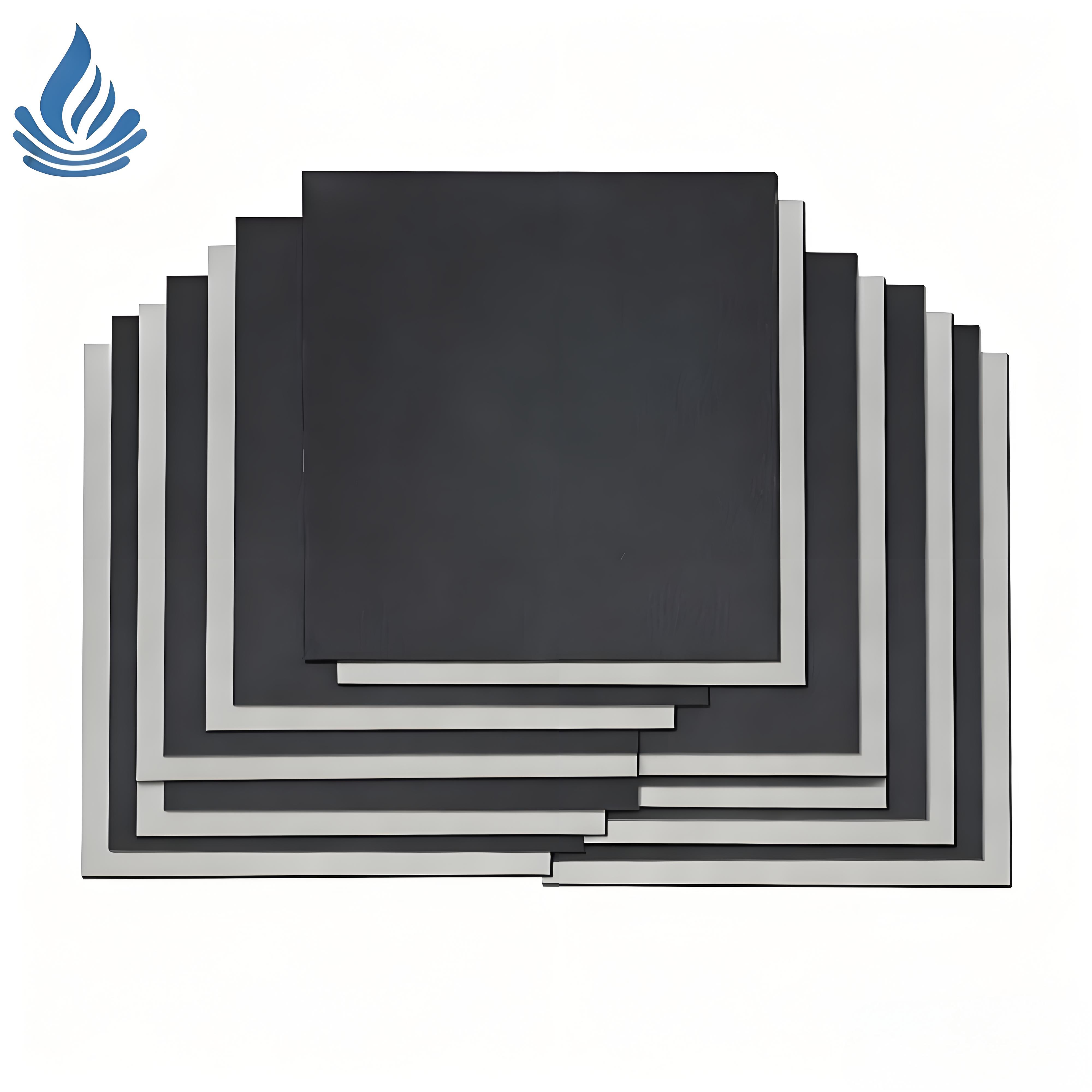
1. Vacuum storage or double-sealed storage in a glove box, especially for high-nickel and sodium cathode materials, can increase battery internal resistance if not properly stored.
2. Electrodes not rolled: Rolling is required according to the recommended compaction density.
3. Coating surface density must be determined based on actual weighing results. Coating surface density does not include the current collector.
4. Actual weighing calculation of active material mass (mg): = (Small disc weight (mg) - Current collector surface density (mg/cm²) * Small disc area (cm²)) * Active material ratio
5. Theoretical active material amount (mg): = Coating surface density (mg/cm²) * Active material ratio * Small disc area (cm²)
6. Theoretical surface capacity (mAh/cm²): = Coating surface density (mg/cm²) * Active material ratio * Specific capacity (mAh/g) ÷ 1000
7. Calculate specific capacity based on the actual weighed amount of active material. Due to tolerances in coating surface density, the actual weighing should be used as the standard.
8. Creases: Single-sided electrode sheets are prone to curling after rolling; flattening and packaging may result in creases.

Need R&D Support?
Browse key product categories and connect battery materials with Canrud's R&D services for testing, fabrication, and project support.
Experimental Materials
CategoryCathode, anode, electrolyte, separator, and other materials for battery research.
Shop cathode, anode & electrolyte materials →Lab Equipment
CategoryBattery lab equipment for pilot lines, fixtures, and testing workflows.
Browse battery lab equipment →Electrodes & Cells
CategoryCustom electrodes, dry cells, and battery cell components for R&D validation.
View custom battery electrodes & cells →Sodium Electrolyte
CategorySodium-ion electrolyte options for sodium battery research and validation.
Shop sodium battery electrolytes →R&D Services
ServiceFull-chain battery R&D services from material evaluation to cell fabrication and failure analysis.
Explore Canrud R&D services →Material Evaluation
ServiceCharacterization, electrochemical testing, and compatibility evaluation for battery materials.
Evaluate your battery materials →Electrode Fabrication
ServiceCustom electrode sheets and rolls based on your target chemistry and process needs.
Request electrode fabrication →Cell Fabrication
ServiceDry cells, assembled cells, and custom-format cell builds for R&D validation.
Build custom research cells →Contact
PageAsk Canrud to match products, materials, and services for your project.
Get product and R&D support →