

 contact@canrd.com
 +86 18928276992

Details
Sulfide Electrolyte Powder Ionic Conductivity Test:
1. The ionic conductivity of sulfide solid electrolyte powder increases with increasing tableting pressure. Above 400 MPa, the ionic conductivity tends to stabilize. Excessive pressure may even cause internal cracking and delamination of the tablet, resulting in inaccurate test values. Therefore, tableting is generally performed at a pressure of 200-400 MPa.
2. A stainless steel post is used as a blocking electrode in the cold-pressed green sheet. Applying a pressure of at least 30 MPa on both sides ensures good contact between the electrode and the electrolyte.
3. Testing Procedure:
① Tableting: Pour 200 mg of electrolyte powder into a mold with an inner diameter of 10 mm and apply a pressure of 350 MPa to the tablet.
② Measurement: Use a vernier caliper depth gauge to measure the thickness of the electrolyte sheet in the mold.
③ Assembly: After assembly, apply 350 MPa of pressure, maintain pressure using a steel pressure gauge, and then test.
④ EIS Test: Connect to the electrochemical workstation, set the test parameters, and start the test. The AC impedance test frequency range is 1 MHz to 1 Hz, with a voltage amplitude of 10 mV.
⑤ Calculation of Ionic Conductivity: Because sulfide materials are soft and have good interparticle contact, the AC impedance curve appears as a straight line inclined approximately 45° upward, with no obvious grain boundary capacitance signal. The intersection of the curve with the real axis Z' is used as the total impedance for calculating the ionic conductivity.
Important Notes and Usage Recommendations:
1. Operating Environment: All operations must be performed in a glove box filled with high-purity argon (O₂ & H₂O < 0.1 ppm). Any exposure to air will cause material decomposition, performance failure, and the generation of toxic gases (H₂S).
2. Personal Protection Equipment (PPE): Even when working in a glove box, it is recommended to wear chemical-resistant gloves (such as nitrile rubber gloves). If removal is required, a protective mask, goggles, and an anti-static lab coat must be worn.
Hazard Statements:
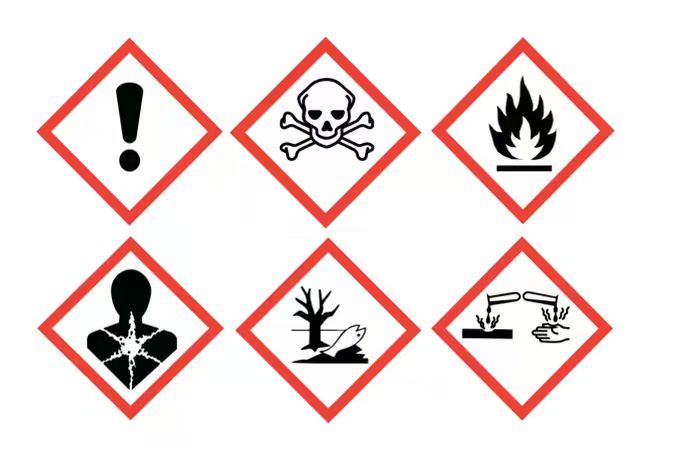
1. Contact with water may release hydrogen sulfide gas, which is colorless and highly toxic. It has a rotten egg odor at low concentrations and is odorless at high concentrations. It may spontaneously ignite.
2. Fatal if swallowed, in contact with skin, or inhaled.
3. Can cause severe skin burns and eye damage.
4. Extremely toxic to aquatic life.
Precautionary Statements:
1. Avoid contact with water.
2. Operate in an inert gas glove box to protect from moisture.
3. Wear protective gloves/protective clothing/eye protection/face protection.
4. Wash thoroughly after handling.
5. Do not eat, drink, or smoke when using this product.
6. Do not inhale dust/fumes/gases/mist/vapors/spray.
7. Avoid release to the environment.
| Main Parameters | |
| Product Name | Sulfide Solid Electrolyte LPSC1 Lithium Phosphate Sulfur Chloride |
| Chemical Formula | Li5.5PS4.5C11.5 |
| Physical Properties | 1~3µm, 99% |
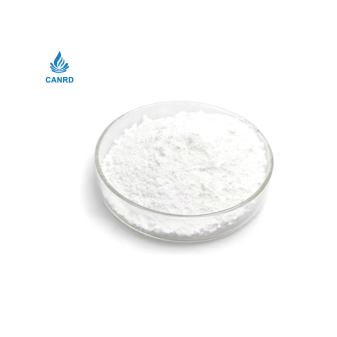
| Appearance | Gray-white powder |
| Applications | Used as a solid electrolyte in lithium batteries |
| Ionic Conductivity | 5~6 mS/cm (25oC) |
| Other | Sealed and waterproof, avoid exposure to air |
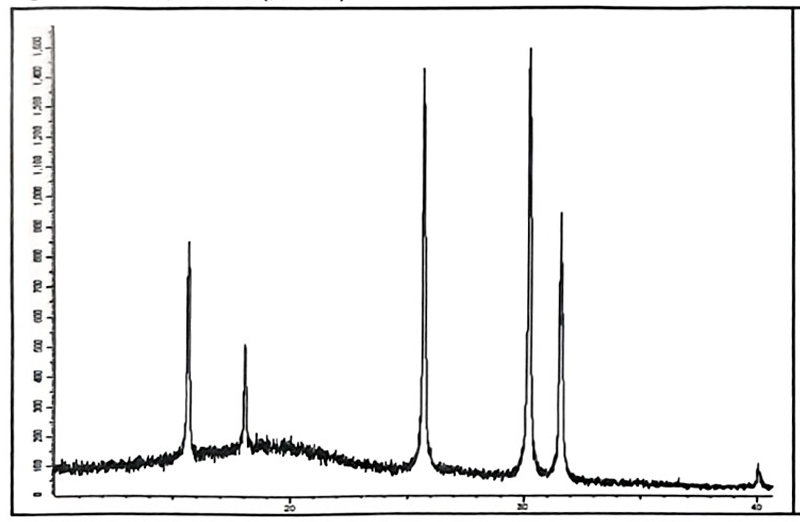
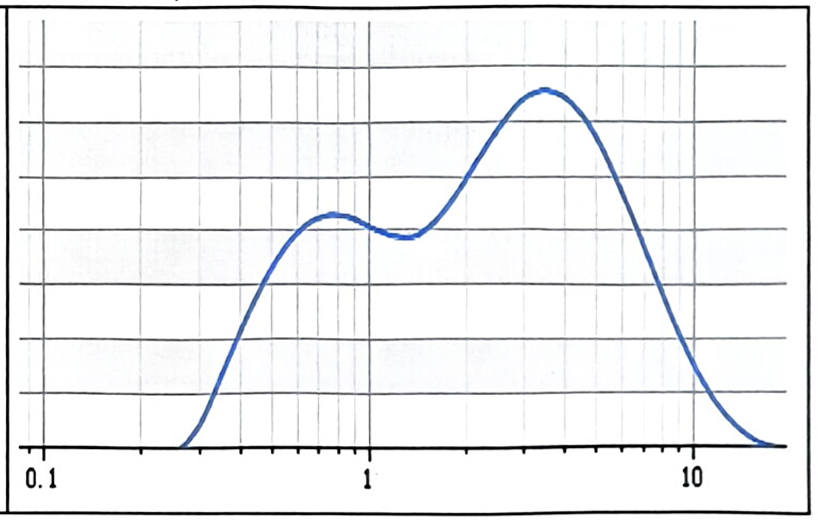
In stock,>50g, please consult customer service for delivery time
Sulfide solid electrolyte, lithium phosphorus sulfur Li5.5PS4.5Cl1.5 for solid-state lithium batteries
Li5.5PS4.5Cl1.5 is used as a high-performance solid-state battery separator, with better ion conductivity and air stability than Li6PS5Cl
Need R&D Support?
Browse key product categories and connect battery materials with Canrd's R&D services for testing, fabrication, and project support.
Experimental Materials
CategoryCathode, anode, electrolyte, separator, and other materials for battery research.
Shop cathode, anode & electrolyte materials →Lab Equipment
CategoryBattery lab equipment for pilot lines, fixtures, and testing workflows.
Browse battery lab equipment →Electrodes & Cells
CategoryCustom electrodes, dry cells, and battery cell components for R&D validation.
View custom battery electrodes & cells →Sodium Electrolyte
CategorySodium-ion electrolyte options for sodium battery research and validation.
Shop sodium battery electrolytes →R&D Services
ServiceFull-chain battery R&D services from material evaluation to cell fabrication and failure analysis.
Explore Canrd R&D services →Material Evaluation
ServiceCharacterization, electrochemical testing, and compatibility evaluation for battery materials.
Evaluate your battery materials →Electrode Fabrication
ServiceCustom electrode sheets and rolls based on your target chemistry and process needs.
Request electrode fabrication →Cell Fabrication
ServiceDry cells, assembled cells, and custom-format cell builds for R&D validation.
Build custom research cells →Contact
PageAsk Canrd to match products, materials, and services for your project.
Get product and R&D support →
