



The root cause of gas generation in lithium batteries is essentially the result of a series of unwanted chemical and electrochemical side reactions inside the battery. These reactions consume active components within the battery and generate gaseous by products, leading to performance degradation and even safety issues.
Gas generation in lithium batteries mainly comes from the following aspects:
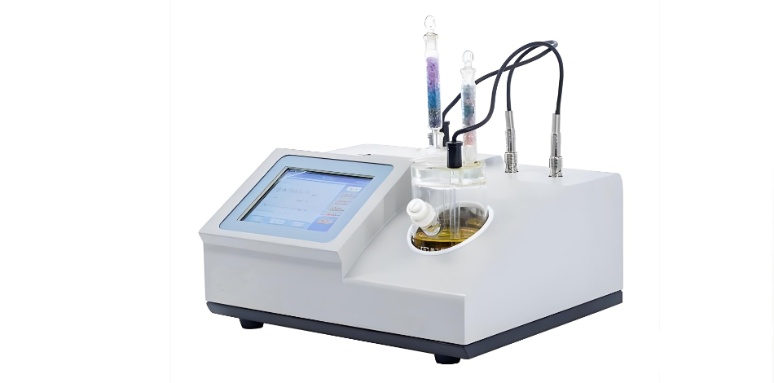
1.Electrolyte Decomposition
Under high temperatures or improper voltage conditions (such as overcharging), the organic solvents in the electrolyte may undergo oxidation or reduction reactions and decompose.
Main gases produced: Carbon dioxide (CO₂), Carbon monoxide (CO), Methane (CH₄), Ethylene (C₂H₄), etc.
2. SEI Film Damage and Reformation
If the solid-electrolyte interface (SEI) protective film on the anode surface is damaged due to overcharging, over-discharging, or high temperatures, the electrolyte will directly react with the anode material in an attempt to repair the SEI film. This process continuously generates gases.
Main gas produced: Hydrogen (H₂), Eylene (C₂ H₄), Ethane (C₂ H₆), etc.
3. Excessive Moisture Content
Even trace amounts of water (at ppm levels) can react with lithium salts in the electrolyte (such as LiPF₆) to produce corrosive hydrofluoric acid (HF), which further triggers side reactions and gas generation.
Main gases produced: Hydrogen (H₂), Hydrogen fluoride (HF), Carbon monoxide (CO), Carbon dioxide (CO₂.
4. Side Reactions of Cathode Materials
Under overcharging or high temperatures, the structure of cathode materials (especially high-nickel ternary materials) may collapse, releasing oxygen. The released oxygen then oxidizes the electrolyte, generating more gases.
Main gas produced: Oxygen (O₂), Carbon dioxide (CO₂).
5.Side Reactions of Anode Materials
For materials like silicon-based anodes, significant volume changes during charge and discharge repeatedly damage the SEI film, leading to continuous side reactions and gas generation. Under over-discharging or high temperatures, graphite anodes may also react with the electrolyte.
Main gases produced: Hydrogen (H₂), Ethylene (C₂H₄), Ethane (C₂H₆.
Canrd Brief Introduce:
Canrd use high battery R&D technology(core members are from CATL) and strong Chinese supply chain to help many foreign companies with fast R&D.
We provide lab materials, electrodes, custom dry cells, material evaluation, perfomance and test, coin/pouch/cylindrical cell equipment line, and other R&D services.
📱 WhatsApp/WeChat: 86 189 2827 6992
📧 Email: janice@canrd.com
🛒 Product Website: : www.canrud.com
